India-Japan defence cooperation: Modi, Takaichi push full-spectrum co-development
Synopsis
India and Japan have moved beyond policy dialogue into concrete defence industrial partnership — signing their first-ever co-development agreement and mapping cooperation across land, air, naval, and unmanned systems. With Japan's evolving defence export posture and India's manufacturing ambitions aligning, this summit may mark the start of a genuinely transformative bilateral security relationship.
Key Takeaways
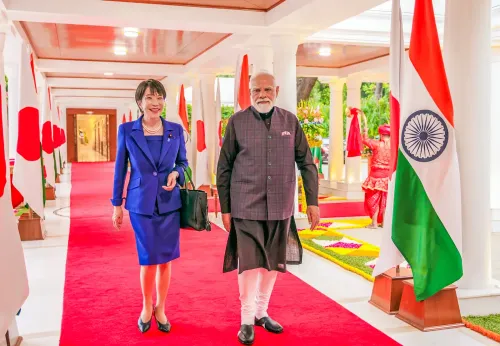
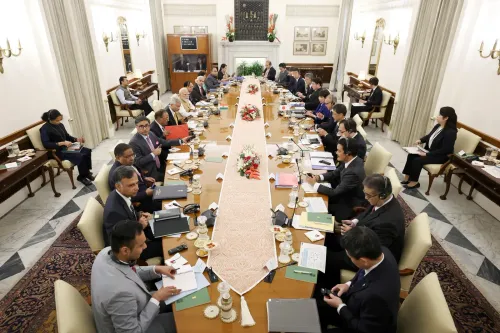
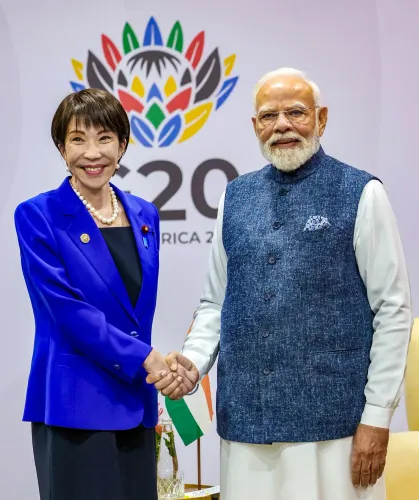
PM Modi and PM Sanae Takaichi met at Hyderabad House, New Delhi on 3 July 2025 for the India-Japan Annual Summit .
The two countries signed an agreement on the first-ever India-Japan co-development defence project .
Defence cooperation is to span the full spectrum: designing, production, and manufacturing , across land, air, naval, and unmanned systems.
Progress was formally acknowledged on the UNICORN project — a naval radio antenna-related initiative between the two nations.
The next India-Japan 2+2 Foreign and Defence Ministerial Meeting is expected to be held in Tokyo at a mutually convenient date.
Takaichi is Japan's first female Prime Minister ; this was her first official visit to India after assuming office.
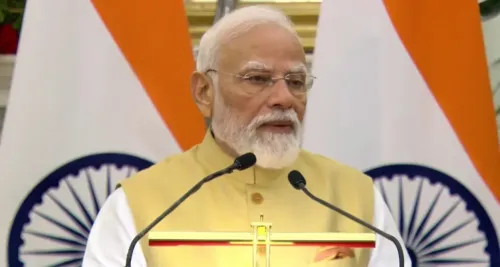
Prime Minister Narendra Modi and Japanese Prime Minister Sanae Takaichi held detailed discussions on defence cooperation on Thursday, 3 July 2025, at Hyderabad House in New Delhi, covering the entire value chain from designing to production and manufacturing. The talks culminated in the signing of an agreement on the first-ever India-Japan co-development project in the defence sector, marking a significant milestone in the two nations' Special Strategic and Global Partnership.
Key Developments from the Summit
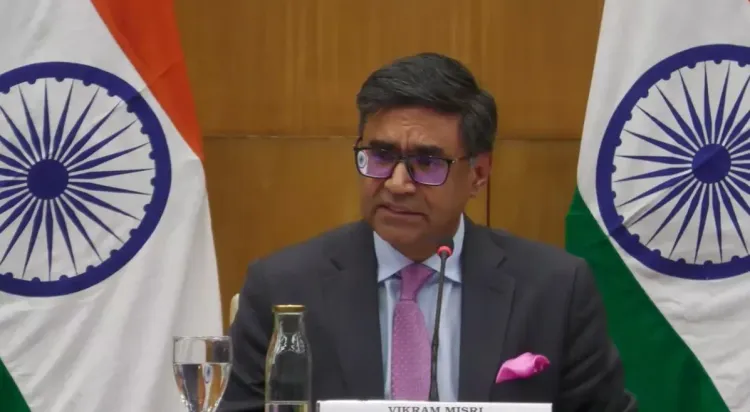
Foreign Secretary Vikram Misri, addressing a special media briefing after the bilateral meeting, described defence as a 'growing area of cooperation' between New Delhi and Tokyo. He confirmed that Prime Minister Modi proposed that cooperation could span the full spectrum — from designing through production to manufacturing — and that both leaders agreed to explore collaboration across multiple domains.
Misri specifically highlighted progress on the UNICORN project, a naval radio antenna-related initiative currently underway between the two countries, which the leaders formally acknowledged during the summit. He added that discussions covered cooperation across land, air, and naval systems, as well as unmanned vehicles and systems of various kinds.
Exercises and Institutional Mechanisms
Beyond platforms and hardware, Foreign Secretary Misri noted a marked increase in the tempo of joint military exercises. While naval exercises between the two countries have a long history, land and air force exercises have now been added to the mix — some for the first time. Prime Minister Takaichi specifically called for strengthening institutional cooperation in this domain.
Both sides referenced the India-Japan 2+2 Foreign and Defence Ministerial Meeting mechanism, which brings together the foreign and defence ministers of both countries. The next meeting of this platform is expected to be held in Tokyo at a mutually convenient date, according to Misri.
What the Leaders Said
At a joint press conference following the bilateral, Prime Minister Modi described Takaichi's visit as the beginning of a 'new chapter' in the India-Japan partnership. He highlighted the complementary strengths of the two nations: 'The convergence of Japan's precision technology and India's software capabilities will give fresh momentum and strength to the global development of AI,' he said.
Modi also welcomed Takaichi warmly, noting that she is Japan's first female Prime Minister and hails from Nara Prefecture — a region with deep ties to the shared Buddhist heritage of India and Japan. Invoking his remarks at the recent G7 Summit, he said: 'In today's atmosphere of global upheaval, mutual trust is our greatest strategic asset.'
Context and What Comes Next
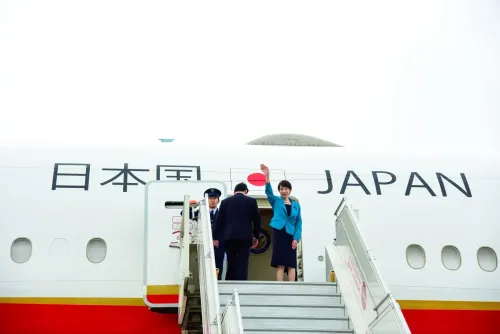
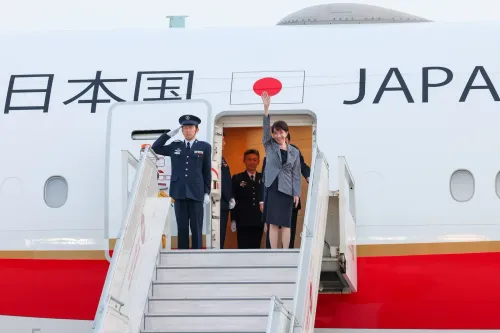
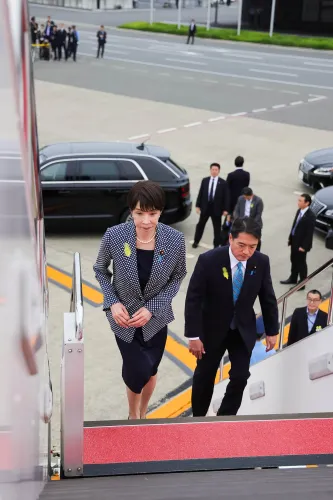
Takaichi arrived in New Delhi on Wednesday evening for a three-day official visit — her first to India since assuming office. Japan has in recent years significantly evolved its posture on defence exports, a shift that Misri described as a 'considerable and positive evolution' from India's perspective. This comes amid broader Indo-Pacific security realignments and India's push to diversify its defence industrial partnerships beyond traditional suppliers.
The co-development agreement and the roadmap for full-spectrum defence collaboration signal that the India-Japan defence relationship is transitioning from exercises and policy dialogue into concrete industrial cooperation. The next 2+2 ministerial meeting in Tokyo will be closely watched as the framework for translating these commitments into actionable projects.
Point of View
But the harder question is whether India and Japan can build the institutional scaffolding to deliver on full-spectrum manufacturing cooperation — an area where both countries have historically moved slowly. Japan's loosening of its defence export restrictions creates a genuine opening, but India's record of converting bilateral defence frameworks into production timelines is uneven. The UNICORN project's progress is encouraging, but a single naval antenna programme does not a defence-industrial partnership make. The real test will come at the 2+2 ministerial in Tokyo, where the two sides must convert the summit's broad language into sector-specific, time-bound co-development roadmaps.
NationPress
1 Oct 2026
Frequently Asked Questions
What defence agreement did India and Japan sign during PM Takaichi's visit?
India and Japan signed an agreement on their first-ever co-development project in the defence sector during PM Takaichi's visit to New Delhi on 3 July 2025. The agreement marks a shift from policy dialogue to concrete industrial collaboration, covering design, production, and manufacturing.
What is the UNICORN project between India and Japan?
The UNICORN project is a naval radio antenna-related initiative currently underway between India and Japan. Both Prime Ministers formally acknowledged progress on the project during their bilateral meeting at Hyderabad House.
What is the India-Japan 2+2 ministerial mechanism?
The India-Japan 2+2 Foreign and Defence Ministerial Meeting is a platform that brings together the foreign and defence ministers of both countries for joint consultations. The next meeting is expected to be held in Tokyo at a mutually convenient date.
Why is Japan's evolving defence export posture significant for India?
Japan has considerably relaxed its historically strict restrictions on defence exports in recent years. Foreign Secretary Vikram Misri described this as a 'considerable and positive evolution' from India's perspective, opening the door for joint production and manufacturing arrangements that were previously not feasible.
What areas of defence cooperation did India and Japan agree to pursue?
The two sides agreed to explore cooperation across land, air, and naval systems, as well as unmanned vehicles and systems of various kinds. PM Modi proposed that this cooperation span the entire spectrum from designing to production and manufacturing.