Modi sends Eid-ul-Adha greetings to Bangladesh's Tarique Rahman, pledges stronger ties
Synopsis
PM Modi's Eid-ul-Adha letter to Bangladesh's Tarique Rahman is more than a seasonal courtesy — it is a deliberate diplomatic signal as India transitions its High Commissioner in Dhaka and seeks to consolidate ties with the current Bangladeshi leadership. Rahman's warm public response suggests both sides are invested in a stable bilateral reset.
Key Takeaways
PM Narendra Modi conveyed Eid-ul-Adha greetings to Bangladesh PM Tarique Rahman on 28 May 2025 , via a formal letter.
Modi reaffirmed India's commitment to 'people-centric cooperation' and a shared development vision with Bangladesh.
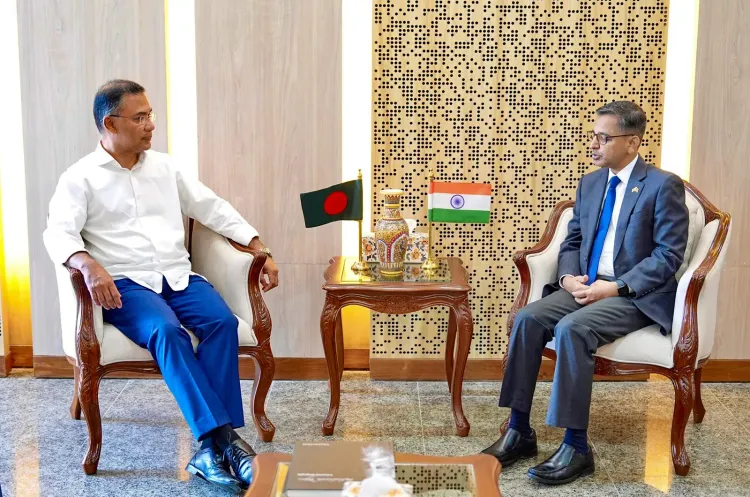
Rahman responded publicly, calling for ties grounded in 'mutual respect, friendship, and goodwill.' Outgoing Indian High Commissioner Pranay Verma met Rahman on 24 May , with Foreign Minister Khalilur Rahman also present.
Both sides discussed potential areas of cooperation aligned with each country's development priorities, according to the Indian High Commission in Dhaka .
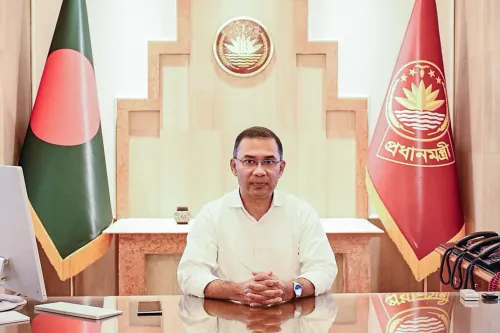
Prime Minister Narendra Modi on Thursday, 28 May conveyed Eid-ul-Adha greetings to Bangladeshi counterpart Tarique Rahman and the people of Bangladesh, reaffirming New Delhi's commitment to deepening bilateral cooperation across multiple sectors. The gesture comes at a diplomatically significant moment, as both nations navigate a fresh chapter in their relationship.
What Modi's Letter Said
In a letter shared by the Indian High Commission in Dhaka and quoted by Bangladeshi newspaper The Daily Star, Modi described Eid-ul-Adha as an integral part of India's diverse cultural heritage, celebrated with 'great joy and enthusiasm by millions of people of the Islamic faith across the country.'
Modi wrote that the festival 'embodies enduring values of sacrifice, compassion and brotherhood, which are vital for building a peaceful and inclusive world.' He also underscored the depth of the India-Bangladesh partnership, rooted in shared sacrifices, cultural affinities, and common goals of peace, stability, and growth.
'The Indian government looks forward to working closely with the Bangladesh government to strengthen people-centric cooperation in various domains. Our shared vision as reflected in our national development goals is aimed at the mutual benefit of our peoples,' Modi wrote.
Rahman's Response
Bangladesh Prime Minister Tarique Rahman responded warmly, thanking Modi for his wishes and expressing hope for continued strengthening of bilateral ties. The Bangladesh Prime Minister's Office posted on its social media platforms: 'I thank Prime Minister Narendra Modi for his very kind greetings to me and the people of Bangladesh on the joyous occasion of Eid-ul-Adha. May the relations between the peoples of Bangladesh and India continue to be strengthened on the foundations of mutual respect, friendship, and goodwill.'
Diplomatic Backdrop: Outgoing High Commissioner's Farewell
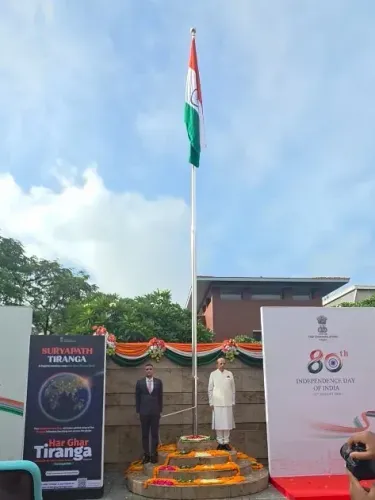
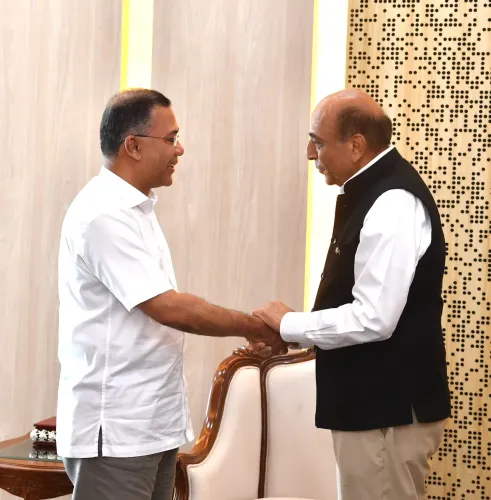
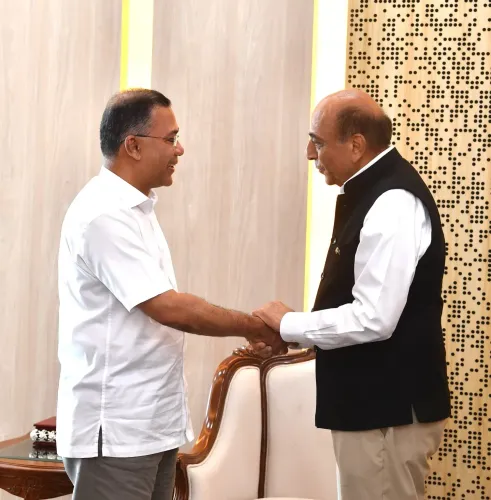
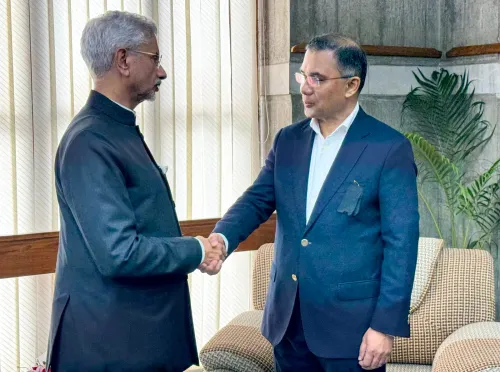
The exchange follows a notable diplomatic interaction on 24 May, when outgoing Indian High Commissioner to Bangladesh Pranay Verma paid a farewell call on Prime Minister Rahman. During the meeting, Verma reaffirmed India's willingness to deepen multifaceted engagement with Bangladesh for the mutual benefit and shared prosperity of both nations.
Rahman thanked the High Commissioner for his contributions to bilateral relations and conveyed best wishes for his next assignment. Bangladesh's Foreign Minister Khalilur Rahman was also present. According to the Indian High Commission in Dhaka, both sides briefly discussed potential areas of cooperation aligned with the development priorities of the two countries.
Why This Exchange Matters
The Eid greeting, while ceremonial in form, carries substantive diplomatic weight. India-Bangladesh ties have seen periods of both cooperation and strain, particularly around issues of water sharing, trade, border management, and political transitions in Dhaka. This outreach signals that New Delhi is keen to maintain constructive engagement with the current Bangladeshi leadership. Notably, this is among the first high-level written exchanges between Modi and Rahman that has been publicly shared, underlining the importance both sides are placing on optics as well as substance.
With a new Indian High Commissioner expected to take charge in Dhaka following Verma's departure, the bilateral relationship enters a period of transition — making these early signals of goodwill all the more consequential.
Point of View
The Modi-Rahman exchange serves as a bridge communication, signalling continuity of intent. What is conspicuously absent, however, is any specificity: no sectoral commitments, no timelines, no resolution of the standing irritants — water-sharing, trade imbalances, or Rohingya pressures. The warmth is real, but the diplomatic heavy lifting remains undone.
NationPress
11 Oct 2026
Frequently Asked Questions
Why did PM Modi send Eid-ul-Adha greetings to Bangladesh's Tarique Rahman?
PM Modi sent the greetings as part of India's diplomatic engagement with Bangladesh, using the occasion of Eid-ul-Adha to reaffirm bilateral ties and express New Delhi's readiness to deepen cooperation across sectors. The letter was shared publicly by the Indian High Commission in Dhaka.
What did PM Modi say in his letter to Tarique Rahman?
Modi described Eid-ul-Adha as integral to India's cultural heritage and highlighted the festival's values of sacrifice, compassion, and brotherhood. He also emphasised the deep-rooted India-Bangladesh partnership and the Indian government's intent to strengthen people-centric cooperation for mutual benefit.
How did Bangladesh PM Tarique Rahman respond to Modi's greetings?
Rahman thanked Modi for the wishes and expressed hope for continued strengthening of bilateral ties anchored in mutual respect, friendship, and goodwill. The response was posted publicly by the Bangladesh Prime Minister's Office on its social media platforms.
What was the significance of Indian High Commissioner Pranay Verma's farewell meeting with Rahman?
The farewell call on 24 May was an opportunity to reaffirm India's willingness to deepen multifaceted engagement with Bangladesh. Both sides discussed potential cooperation areas aligned with each country's development priorities, with Bangladesh's Foreign Minister Khalilur Rahman also present.
What is the current state of India-Bangladesh bilateral relations?
India and Bangladesh share ties rooted in shared history, cultural similarities, and economic interdependence, though the relationship has periodically faced strains over issues such as water sharing and trade. The current diplomatic exchanges suggest both sides are focused on maintaining constructive engagement during a period of leadership and diplomatic transition.