Govindobhog rice in PM Modi's FAO gifts sparks export hopes for Bengal farmers
Synopsis
PM Modi's diplomatic gift bag in Italy carried more than symbolism — Govindobhog rice from Bardhaman, a GI-tagged aromatic variety grown in just a handful of West Bengal blocks, is now at the centre of farmer hopes for an export surge. Whether a prime ministerial endorsement at the FAO translates into real market gains is the question Bengal's paddy growers are waiting to have answered.
Key Takeaways
PM Modi gifted Govindobhog rice from Bardhaman, West Bengal to FAO Director-General Qu Dongyu during a meeting in Italy .
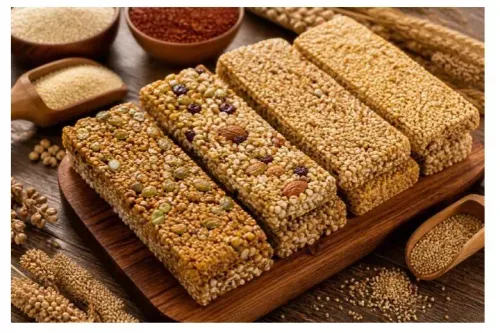
The gift also included Red Rice from Kerala, Basmati rice from the Gangetic plains, and millet bars.
Paddy farmers in Bardhaman — dubbed the 'Granary of Bengal' — are anticipating a surge in demand and exports.
Bengal Rice Mill Association President Abdul Malek called it 'a matter of immense pride' and predicted increased cultivation and profitability.
Govindobhog is primarily grown in East Bardhaman , Hooghly , Nadia , and Birbhum , and received its GI tag in 2017 .
Prime Minister Narendra Modi gifted curated samples of India's indigenous rice varieties — including Govindobhog rice from West Bengal's Bardhaman — to Food and Agriculture Organisation (FAO) Director-General Qu Dongyu during a meeting in Italy, raising hopes among paddy farmers of a significant demand and export surge. The presentation, which also featured Red Rice from Kerala, Basmati rice from the Gangetic plains, and millet bars, was aimed at showcasing India's agricultural diversity and traditional food heritage.
Why Bardhaman Is Celebrating
Bardhaman, widely regarded as the 'Granary of Bengal', has responded to the development with considerable optimism. Paddy growers in the region are describing the moment as a potential 'gamechanger', anticipating an unprecedented rise in demand following what amounts to a personal endorsement by the Prime Minister on an international platform.
Farmers say that Govindobhog rice reaching foreign shores through such a high-profile diplomatic gesture could translate into tangible gains for cultivators who have long grown the variety with limited export access.
What the Industry Is Saying
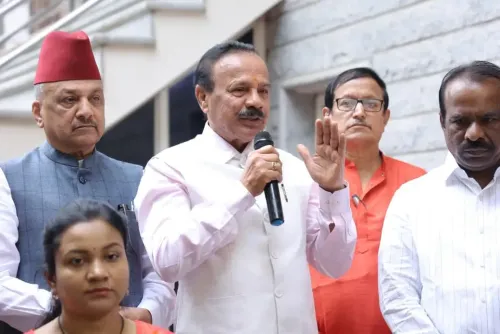
Abdul Malek, President of the Bengal Rice Mill Association, said, 'This is a matter of immense pride for both the farmers and us.' He noted that the aromatic Govindobhog rice is predominantly cultivated in East Bardhaman — specifically in the Raina-1, Raina-2, and Khandaghosh blocks. Malek expressed confidence that the development would boost farmers' interest in cultivating this paddy variety, drive exports, and improve profitability for the farming community.
About Govindobhog Rice
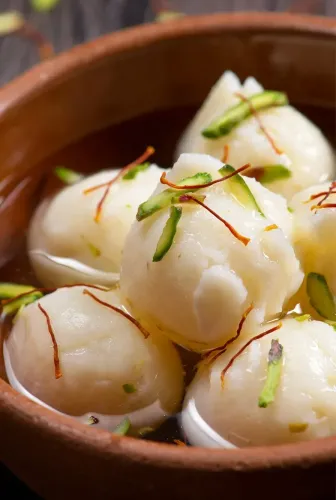
Govindobhog is a small-grained, aromatic rice variety primarily cultivated in East Bardhaman, Hooghly, Nadia, and Birbhum districts of West Bengal. It is especially prized in culinary preparations such as Payesh (rice pudding), Khichuri, and the Bhog — the sacred food offering prepared during religious festivals. The variety was awarded a Geographical Indication (GI) tag in 2017, formally recognising its regional identity and cultural significance.
Diplomatic Context and Broader Impact
Modi's decision to present indigenous grains to the FAO chief is consistent with India's broader push to position its agricultural heritage on the global stage — a strategy that gained momentum with the International Year of Millets 2023, during which India actively promoted its millet varieties internationally. Presenting Govindobhog alongside Basmati and Red Rice signals an intent to diversify India's agricultural diplomacy beyond its flagship export grain.
If the diplomatic visibility translates into actual export orders, it could meaningfully supplement farmer incomes in a region where Govindobhog cultivation remains concentrated in a handful of blocks. Whether that promise materialises will depend on supply-chain readiness and export facilitation by state and central agencies.
Point of View
But it does generate attention — and for a GI-tagged variety like Govindobhog, concentrated in a few blocks of East Bardhaman, that attention has real value if it is backed by export infrastructure. The optimism among farmers is legitimate, but the gap between a prime ministerial endorsement and an actual export order is wide. India's agricultural diplomacy has grown more sophisticated since the millets campaign, yet the downstream supply-chain work — cold storage, grading, certification, logistics — remains the unglamorous bottleneck that determines whether a 'gamechanger moment' becomes one. The Centre and West Bengal state government will need to move quickly to convert this visibility into trade facilitation, or the moment will pass as symbolism.
NationPress
7 Oct 2026
Frequently Asked Questions
Which rice varieties did PM Modi gift to the FAO Director-General?
PM Modi presented curated samples of indigenous Indian rice varieties — including Govindobhog rice from West Bengal's Bardhaman, Red Rice from Kerala, and Basmati rice from the Gangetic plains — along with millet bars to FAO Director-General Qu Dongyu during a meeting in Italy.
What is Govindobhog rice and why is it significant?
Govindobhog is a small-grained, aromatic rice variety cultivated primarily in East Bardhaman, Hooghly, Nadia, and Birbhum districts of West Bengal. It received a Geographical Indication (GI) tag in 2017 and is widely used in traditional preparations such as Payesh, Khichuri, and festival Bhog offerings.
Why are West Bengal farmers hopeful after this development?
Farmers and rice mill operators in Bardhaman believe PM Modi's personal gifting of Govindobhog to the FAO chief amounts to an international endorsement, which they expect will drive export demand and improve incomes for cultivators of the variety.
Who is Abdul Malek and what did he say?
Abdul Malek is the President of the Bengal Rice Mill Association. He called the development 'a matter of immense pride' for farmers and mill owners, and expressed confidence it would boost cultivation interest and export volumes for Govindobhog rice.
Where is Govindobhog rice mainly cultivated?
Govindobhog rice is predominantly grown in East Bardhaman — specifically the Raina-1, Raina-2, and Khandaghosh blocks — as well as in Hooghly, Nadia, and Birbhum districts of West Bengal.