Modi's Netherlands visit: Full spectrum of India-Dutch ties on the table
Synopsis
Ahead of PM Modi's first meeting with Dutch PM Rob Jetten, India's Ambassador in Amsterdam says no subject is off the table — semiconductors, clean energy, pharma MoUs, and the looming India-EU FTA all make the Netherlands a uniquely consequential stop on Modi's European circuit.
Key Takeaways
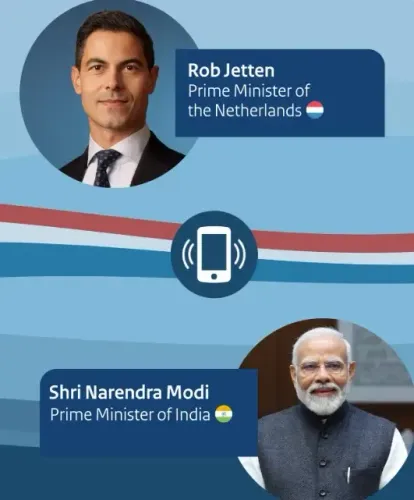
PM Narendra Modi is set to visit the Netherlands for his first high-level meeting with Dutch PM Rob Jetten since the new Dutch government was formed.
Discussions are expected to span trade, semiconductors, clean energy, education, health, maritime cooperation , and the global situation.
The India-EU Free Trade Agreement , reportedly expected later this year, is set to elevate the Netherlands' role as India's gateway to Europe .
A Memorandum of Cooperation between six IITs and University of Twente and TU Eindhoven was signed last year; further education deals are anticipated.
Two pharmaceutical MoUs were signed in the previous year; health sector cooperation is ongoing through Joint Working Group meetings.
The Indian diaspora in the Netherlands — among Europe's largest — is described by Ambassador Kumar Tuhin as a 'living bridge' between the two nations.
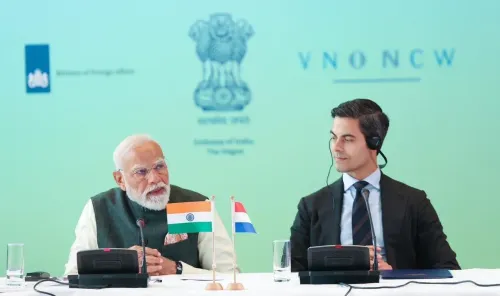
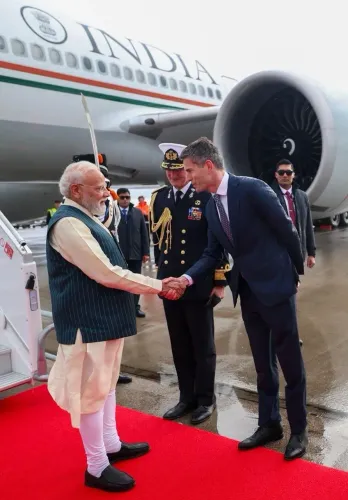
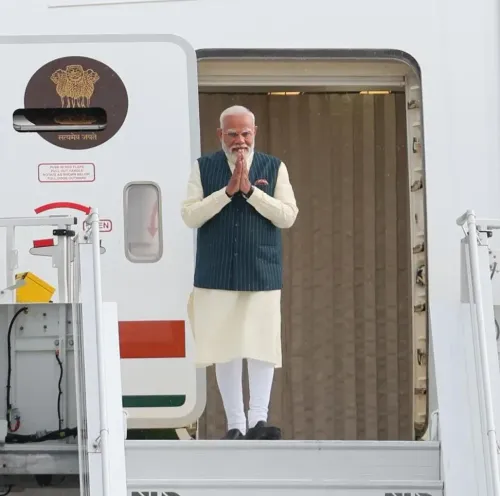
Prime Minister Narendra Modi's upcoming visit to the Netherlands is set to cover the entire breadth of India-Netherlands bilateral relations — from semiconductors and clean energy to education and maritime cooperation — according to India's Ambassador in Amsterdam, Kumar Tuhin, speaking ahead of the visit on Thursday, 14 May.
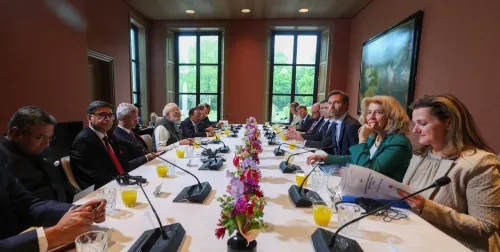
Tuhin confirmed that Modi and his Dutch counterpart Prime Minister Rob Jetten are expected to review progress across sectors, consolidate existing gains, and chart fresh strategic direction for the partnership. This will mark the first high-level interaction between the two leaders since the formation of the new Dutch government.
Why This Visit Matters
The Netherlands occupies a distinctive position in India's European strategy — not merely as a trading partner but as a gateway to Europe. With the India-EU Free Trade Agreement reportedly expected to come into effect later this year, Ambassador Tuhin noted that the Netherlands' role in India's European engagement is likely to grow substantially.
The visit also comes at a moment of heightened global economic uncertainty, with energy security concerns stemming from tensions in West Asia forming part of the expected agenda. Both countries are energy importers, making the geopolitical dimension of the discussions particularly relevant.
Technology, Semiconductors, and Clean Energy
Among the areas where significant progress is anticipated, Tuhin highlighted new technologies, semiconductors, and sustainable energy. The Netherlands is home to globally recognised energy companies, several of which already maintain active partnerships with Indian counterparts.
Tuhin described the partnership as inherently complementary: 'The Netherlands has technological strength and expertise, while India offers scale and market size,' he said. He added that this combination, alongside shared values, creates what he termed 'enormous potential' for collaboration.
The Netherlands is already a member of the International Solar Alliance and the Coalition for Disaster Resilient Infrastructure (CDRI) — two India-led multilateral frameworks — providing an institutional foundation for deeper clean energy cooperation aligned with Modi's Mission LiFE agenda.
Education, Health, and Investment Ties
On the education front, Tuhin pointed to a Memorandum of Cooperation signed last year between six Indian Institutes of Technology (IITs) and the University of Twente and TU Eindhoven, alongside ongoing collaboration with the University of Groningen. The visit is expected to deepen student exchange programmes and academic innovation partnerships.
In the health sector, two MoUs in the pharmaceutical sector were signed in the previous year, with Joint Working Group meetings on healthcare cooperation continuing. Tuhin noted that the Netherlands' advanced healthcare technologies pair well with India's innovative pharmaceutical ecosystem.
On investment, a substantial number of Indian companies are already present in the Netherlands, while several Dutch firms operate in India. Tuhin said there is significant scope for expanded investment, project partnerships, and institutional collaboration — though he declined to specify which agreements or MoUs might be finalised, noting that outcomes would depend on the leaders' discussions.
The Indian Diaspora as a Strategic Asset
Tuhin described the Indian diaspora in the Netherlands — one of the largest in Europe — as a 'living bridge' between the two nations. The community contributes professionally to the Dutch economy, participates in local politics, and promotes Indian culture, while simultaneously channelling Dutch expertise and cultural exchange back to India.
What to Watch
The specific agreements or MoUs to emerge from the visit remain unconfirmed ahead of the meetings. Industry observers and diplomatic watchers will be tracking outcomes in semiconductors and clean energy most closely, given both countries' stated priorities. The visit is expected to set the bilateral agenda for the period after the India-EU FTA comes into force.
Point of View
'that will depend on discussions' on deals — signals that the deliverables list is still being negotiated, which is unusual for a state visit this close to departure. The semiconductor angle is the one to watch: with ASML, the Dutch chip-equipment giant, sitting at the centre of global supply-chain geopolitics, any India-Netherlands technology framework will be read through that lens by Washington and Beijing alike. The India-EU FTA timing, if it holds, makes this visit structurally more important than its relatively low profile suggests.
NationPress
2 Oct 2026
Frequently Asked Questions
What is the purpose of PM Modi's visit to the Netherlands?
PM Modi's visit to the Netherlands is aimed at reviewing and strengthening the full spectrum of bilateral relations, including trade, semiconductors, clean energy, education, health, and maritime cooperation. It will be the first high-level meeting between Modi and Dutch PM Rob Jetten since the formation of the new Dutch government.
Which agreements or MoUs are expected to be signed during the visit?
No specific agreements have been confirmed ahead of the visit. Ambassador Kumar Tuhin said outcomes would depend on the discussions between the two leaders, though significant progress is anticipated in new technologies, semiconductors, and sustainable energy.
Why is the Netherlands important for India's trade and investment strategy?
The Netherlands is both a major trading partner and a gateway to Europe for India. With the India-EU Free Trade Agreement reportedly expected to come into force later this year, the Netherlands' strategic importance in India's European engagement is set to increase further.
What has already been achieved in India-Netherlands education and health cooperation?
A Memorandum of Cooperation was signed last year between six IITs and the University of Twente and TU Eindhoven, with further collaboration underway with the University of Groningen. In health, two MoUs in the pharmaceutical sector were signed in the previous year, and Joint Working Group meetings on healthcare cooperation are ongoing.
How does the Indian diaspora in the Netherlands contribute to bilateral ties?
The Indian diaspora in the Netherlands is one of the largest in Europe and is described by Ambassador Tuhin as a 'living bridge' between the two countries. The community contributes to the Dutch economy and politics, promotes Indian culture, and channels Dutch expertise back to India.