Moscow hit by largest drone attack in two years: ~180 UAVs downed
Synopsis
Ukraine struck Moscow with its largest drone barrage in two years on 18 June, forcing the closure of all four major airports and injuring 16 people including two children. With ~180 UAVs intercepted and an oil refinery hit in Kapotnya, the attack lands precisely as US President Trump signals renewed diplomatic attention to the Russia-Ukraine conflict — raising the stakes on both sides.
Key Takeaways
Russian air defences intercepted approximately 180 UAVs targeting Moscow on 18 June — the city's largest drone assault in two years , according to Mayor Sergei Sobyanin .
An oil refinery in Kapotnya district was struck; damage assessment is ongoing.
Sheremetyevo, Vnukovo, Domodedovo, and Zhukovsky airports were temporarily closed under orders from the Ministry of Transport and Rosaviatsiya .
16 people were injured, including two children aged 10 and 3 , according to Moscow Region Governor Andrei Vorobyov .
Earlier this month, Russian defences downed 144 Ukrainian drones over the Leningrad region in a separate strike.
US President Donald Trump had signalled renewed focus on Russia-Ukraine diplomacy just days before the attack.
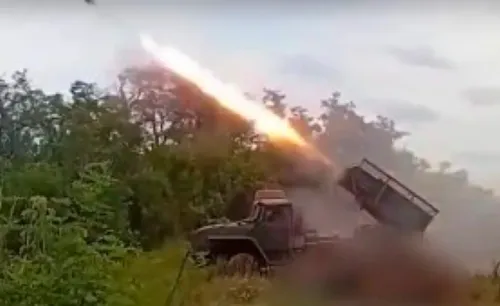
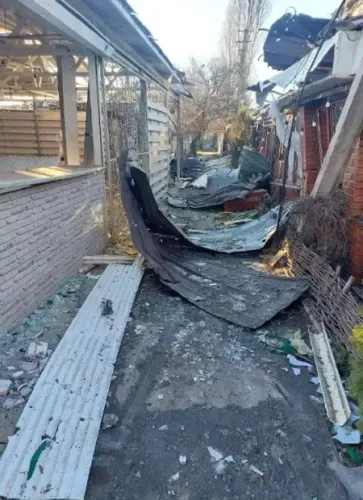
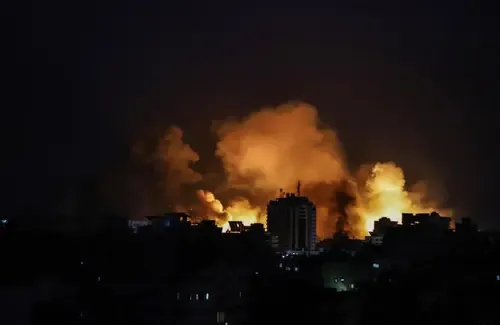
Moscow came under its largest drone assault in two years on Thursday, 18 June, as Ukrainian unmanned aerial vehicles targeted the Russian capital in a sustained overnight offensive. Russian air defence forces shot down approximately 180 UAVs, according to local media reports, even as emergency services worked to contain the fallout across the city and surrounding region.
Scale of the Attack
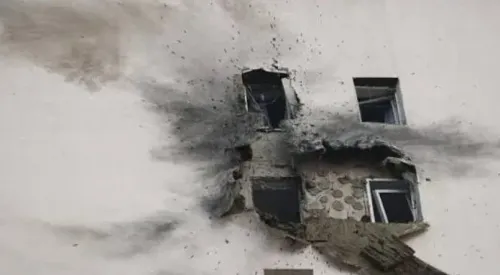
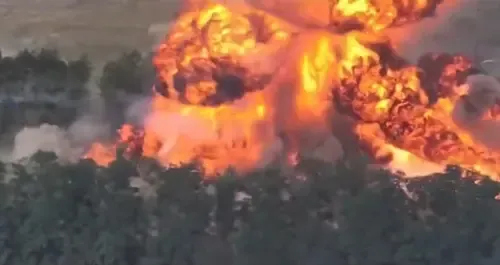
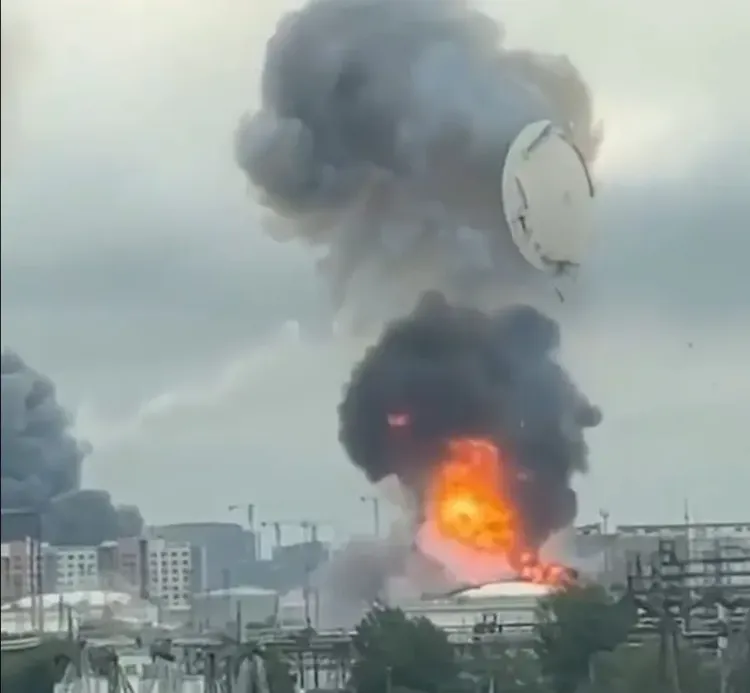
Moscow Mayor Sergei Sobyanin confirmed the scale of the assault, describing it as the largest drone strike on the capital in the past two years, according to state-owned TASS. 'The air defence's work continues,' Sobyanin emphasised, as interception operations remained active through the night. An oil refinery in the Kapotnya district was struck by several drones, with the Mayor noting that damage assessment and clean-up efforts were under way.
Airports Shut, Aviation Under Emergency Control
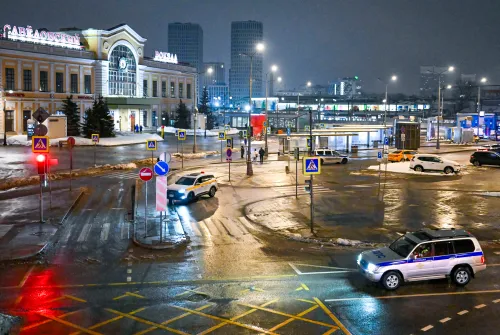
Authorities temporarily suspended flight operations at four major Moscow-area airports — Sheremetyevo, Vnukovo, Domodedovo, and Zhukovsky — as a precautionary measure. The Ministry of Transport and the Federal Air Transport Agency (Rosaviatsiya) assumed special oversight of aviation operations. 'These restrictions are necessary to ensure flight safety. This is a priority,' the Ministry stated.
Casualties and Emergency Response
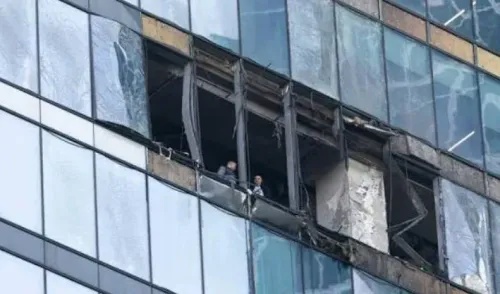
According to Moscow Region Governor Andrei Vorobyov, 16 people were injured in the attacks, including two children aged 10 and 3. 'All emergency and operational services are working in an enhanced mode and are doing everything possible to ensure the safety of residents. All victims are receiving the necessary medical care and are under constant medical supervision,' Vorobyov said, adding that authorities were in contact with affected families.
Broader Context: Diplomatic Signals and Prior Strikes
The attack comes amid tentative diplomatic manoeuvring around the Russia-Ukraine war. US President Donald Trump stated on Monday that his administration would turn its focus to the conflict following what he described as a breakthrough agreement with Iran, expressing cautious optimism that both Moscow and Kyiv may be open to negotiations. Notably, earlier this month, Russian air defences intercepted 144 Ukrainian drones over the Leningrad region during a separate aerial offensive, with Leningrad Region Governor Alexander Drozdenko reporting no major damage, though falling debris caused minor harm to residential buildings in several districts. Thursday's strike on the capital itself — the nerve centre of Russian political and economic life — marks a significant escalation in the aerial campaign's geographic reach.
What Happens Next
Airport operations in Moscow remained under emergency protocols as of the latest reports, with no confirmed timeline for resumption of normal services. The attack is likely to intensify pressure on both sides ahead of any potential diplomatic engagement, with the targeting of civilian infrastructure — including an oil refinery — raising questions about the evolving rules of engagement in the conflict.
Point of View
Even briefly, carries enormous symbolic and economic weight beyond the physical damage. What mainstream coverage risks underplaying is the pattern: the Leningrad strike earlier this month, now the capital itself. Ukraine's drone campaign is systematically expanding its geographic footprint, and Russia's air defence, while intercepting the bulk of UAVs, cannot claim an airtight perimeter over its own capital. That is the real headline.
NationPress
17 Sept 2026
Frequently Asked Questions
How many drones were intercepted in the Moscow attack on 18 June?
Russian air defence forces shot down approximately 180 UAVs during the attack on Moscow on 18 June, according to local media reports. Moscow Mayor Sergei Sobyanin described it as the largest drone assault on the capital in two years.
Which Moscow airports were closed during the drone attack?
All four major Moscow-area airports — Sheremetyevo, Vnukovo, Domodedovo, and Zhukovsky — were temporarily closed. The Ministry of Transport and Rosaviatsiya placed aviation operations under special control, citing flight safety as the top priority.
Were there any casualties in the Moscow drone attack?
Yes. Moscow Region Governor Andrei Vorobyov confirmed that 16 people were injured, including two children aged 10 and 3. All victims were reported to be receiving medical care and under constant supervision.
Was any infrastructure damaged in the attack?
An oil refinery in the Kapotnya district of Moscow was struck by several drones, according to Mayor Sobyanin. The aftermath of the attack was being assessed and addressed by emergency services at the time of reporting.
What is the diplomatic backdrop to this escalation?
US President Donald Trump said on Monday that his administration would focus on the Russia-Ukraine conflict after what he called a breakthrough deal with Iran, expressing hope that both sides could be open to talks. The timing of the Moscow strike — days after those remarks — underscores the volatile intersection of military and diplomatic dynamics in the conflict.