Moyale violence displaces thousands; 50,000 cross into Kenya, UN warns
Synopsis
Up to 50,000 people have crossed from Ethiopia into Kenya since violence erupted in the border town of Moyale on 18 October, with thousands more displaced inside Ethiopia. The UN has deployed emergency teams and is mobilising supplies for nearly 12,000 people — but insecurity has already forced several humanitarian partners to suspend operations.
Key Takeaways
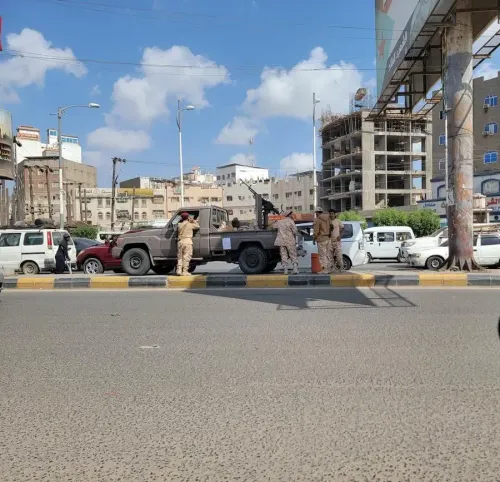
Intercommunal violence erupted in Moyale , Ethiopia, on 18 October 2026 , displacing thousands on both sides of the Ethiopia-Kenya border.
Kenyan authorities estimate up to 50,000 people have crossed into Kenya, with further crossings still being reported.
Thousands more are internally displaced in Ethiopia's Oromia and Somali regions.
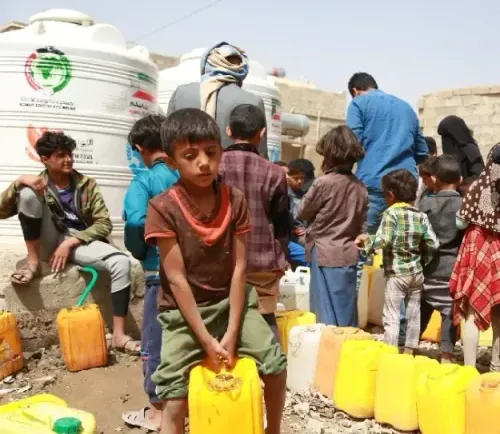
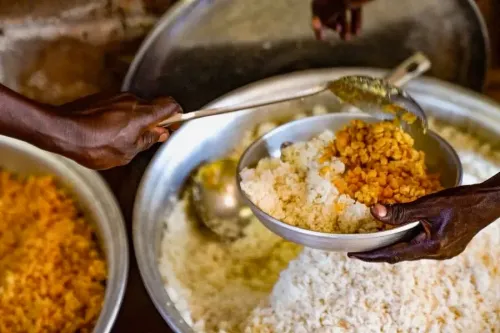
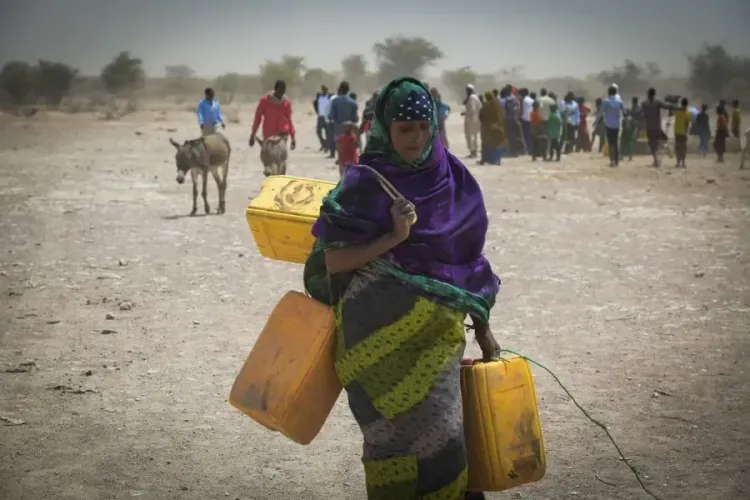
Food, safe water, emergency shelter, sanitation, and healthcare are identified as the most urgent needs.
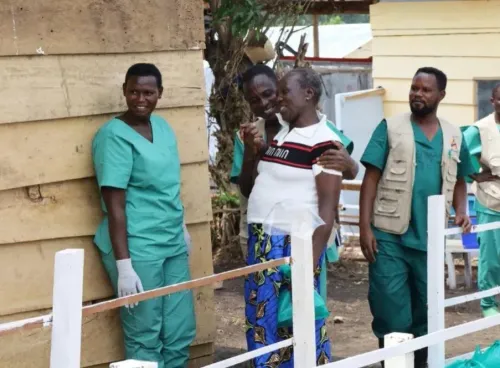
UNHCR is mobilising emergency relief for nearly 12,000 people ; the Kenya Red Cross Society is running six health service points .
Continued insecurity has forced several humanitarian partners to suspend operations; a joint UN assessment mission is being planned.
Intercommunal violence in Moyale, a border town shared by Ethiopia and Kenya, has displaced thousands of people and triggered a humanitarian emergency, the UN Office for the Coordination of Humanitarian Affairs (OCHA) warned on Wednesday. The violence, which erupted on 18 October 2026, has uprooted communities in Ethiopia's Oromia and Somali regions and prompted a mass crossing into Kenya on a scale that has alarmed international agencies.
Scale of Displacement
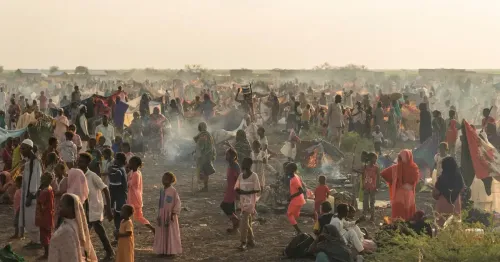
Kenyan local authorities estimate that up to 50,000 people have crossed from Ethiopia into Kenya since Thursday, with reports of further crossings still ongoing. On the Ethiopian side, thousands more have been internally displaced across the Oromia and Somali regions. The majority of those fleeing are reportedly women and children, who are sheltering with relatives, host communities, and in makeshift arrangements at schools and churches.
Humanitarian Needs on the Ground
OCHA identified food as the most urgent need, alongside safe drinking water, emergency shelter, sanitation, and healthcare. Casualties have been reported, though precise figures have not yet been confirmed by the UN. The violence has also disrupted transport networks, local markets, and cross-border trade, severely limiting access to essential goods and services for already vulnerable populations.
The Kenya Red Cross Society has activated six health service points, conducting malnutrition screenings and distributing relief supplies. Local communities have shared food and water with those displaced, though OCHA cautioned that community stocks are limited and cannot sustain the response at the current scale.
UN and Partners Scale Up Response
The UN Refugee Agency (UNHCR) has deployed an emergency team to Moyale and is coordinating closely with the Kenyan government, UN agencies, the Kenya Red Cross Society, and other humanitarian partners. UNHCR is mobilising emergency relief supplies — including essential household items and temporary shelter materials — to support nearly 12,000 people, with efforts under way to expand coverage as needs grow.
'Continued insecurity has forced several partners to suspend activities,' OCHA said, adding that the UN and its partners are preparing a joint assessment mission to affected areas as soon as security conditions permit. UN agencies have deployed staff and are mobilising additional supplies to prepare for potential further displacement.
Background and Regional Context
Moyale has historically been a flashpoint for intercommunal tensions rooted in disputes over land, resources, and inter-ethnic rivalries along the Ethiopia-Kenya border. This is not the first time the town has seen violence that spills across the frontier. The current episode, however, appears to be one of the most severe in recent years, given the reported scale of crossings. This comes amid broader instability in Ethiopia's peripheral regions, where conflicts in Tigray, Amhara, and other zones have stretched the country's humanitarian response capacity.
What Happens Next
OCHA stressed that ensuring the safety of affected populations and securing sustained humanitarian access remain critical priorities. The joint UN assessment mission, once conditions allow, will be pivotal in determining the true scale of needs. How quickly the violence is contained — and whether diplomatic channels between Addis Ababa and Nairobi can stabilise the border — will determine whether the displacement crisis deepens in the days ahead.
Point of View
000-crossing figure in under two weeks is a stark indicator of how fast this situation has escalated — yet it risks being lost amid the volume of global humanitarian crises. What is notable here is that OCHA's own language acknowledges partners have been forced to suspend activities, meaning the UN is describing a gap in coverage even as it is trying to fill it. The Ethiopia-Kenya border has a history of cyclical intercommunal flare-ups, but the current displacement scale suggests either a significant escalation in violence or a failure of early-warning mechanisms to trigger a pre-emptive response. With Addis Ababa already managing multiple active conflict zones, Moyale may not command the political bandwidth it needs from the Ethiopian government. That makes international pressure and a rapid assessment mission not just desirable, but essential.
NationPress
29 Oct 2026
Frequently Asked Questions
What triggered the intercommunal violence in Moyale?
The violence erupted on 18 October 2026 in Moyale, a border town between Ethiopia and Kenya. OCHA has not attributed a specific cause, but Moyale has a long history of intercommunal tensions over land and resources along the Ethiopia-Kenya border.
How many people have been displaced by the Moyale violence?
Up to 50,000 people have reportedly crossed from Ethiopia into Kenya since the violence began, according to Kenyan local authorities. Thousands more have been internally displaced within Ethiopia's Oromia and Somali regions.
What aid is being provided to those displaced?
UNHCR has deployed an emergency team to Moyale and is mobilising relief supplies — including household items and temporary shelter materials — for nearly 12,000 people. The Kenya Red Cross Society is running six health service points and conducting malnutrition screenings.
Why have some humanitarian operations been suspended?
OCHA stated that continued insecurity in and around Moyale has forced several humanitarian partners to suspend their activities. A joint UN assessment mission is being planned for when security conditions permit safe access.
What are the most urgent needs for displaced people?
OCHA identified food as the top priority, followed by safe drinking water, emergency shelter, sanitation, and healthcare. Many of those displaced are women and children sheltering in schools, churches, and with host communities whose own resources are limited.