US senator seeks law on Congress access to overseas military bases
Synopsis
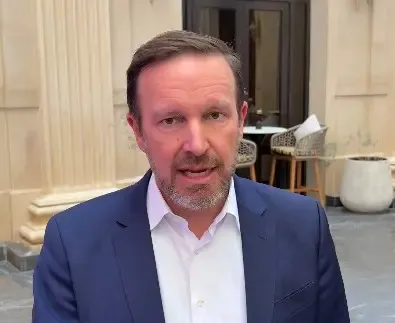
A Democratic senator was turned away from one of America's most critical Middle East military bases — and is now pushing for a law to stop it happening again. Chris Murphy's blocked visit to Al Udeid Air Base in Qatar, under a Pentagon directive signed by Defence Secretary Pete Hegseth, has ignited a fresh battle over who gets to scrutinise the US-Iran war.
Key Takeaways
Senator Chris Murphy was denied access to Al Udeid Air Base in Qatar during a Gulf visit, citing a 3 March Pentagon travel directive.
Murphy plans to pursue legislation requiring the Pentagon to allow Congress access to overseas US military installations.
The proposal is unlikely to pass before year-end; Murphy says it should feature in 2027 defence legislation discussions.
Defence Secretary Pete Hegseth's directive restricting regional travel was cited by officials as the basis for the denial, applied uniformly.
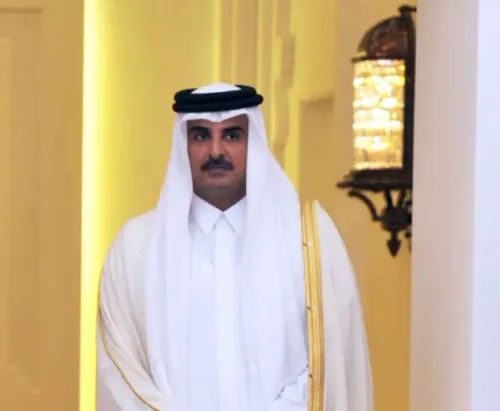
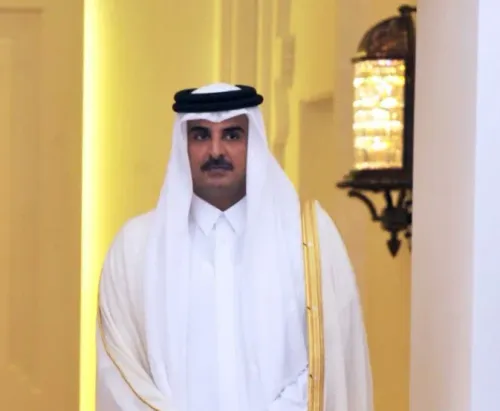
Murphy met Saudi Crown Prince Mohammed bin Salman and Qatar's Emir Sheikh Tamim during the trip and raised concerns about the Iran conflict and Palestinian statehood.
Murphy also raised unproven allegations about financial ties between Gulf entities and businesses linked to President Trump and his family.
Democratic Senator Chris Murphy of Connecticut has announced plans to pursue legislation that would legally require the Pentagon to grant members of Congress access to American military installations abroad, after he was denied entry to a key US base in Qatar during a diplomatic visit to the Gulf region. The move marks a direct challenge to executive control over congressional oversight of the ongoing US-Iran war.
What Happened at Al Udeid
Murphy had sought access to Al Udeid Air Base in Qatar — one of the most strategically significant American military installations in the Middle East — through a formal letter and a direct appeal to US Central Command leadership. Both requests were denied. The senator said he was also unable to secure a briefing from American military commanders during his Gulf trip.
A senior Defence Department official confirmed that Murphy's office had been notified before his departure that the Pentagon would not support his requested visit. The official cited a 3 March directive issued by Defence Secretary Pete Hegseth restricting travel to the region. 'The Department applies the Secretary's guidance evenly,' the official said, disputing suggestions that Murphy had been specifically targeted.
Murphy's Oversight Argument
Murphy, a member of the Senate Foreign Relations Committee, argued that lawmakers who bear responsibility for authorising military operations and approving defence expenditure must have direct access to facilities and personnel in order to assess the real-world consequences of armed conflict. He drew an explicit comparison with congressional visits he had previously made to US installations during the wars in Iraq and Afghanistan, implying that the current restrictions represent a departure from established practice.
The senator alleged that the administration was seeking to limit both public and congressional scrutiny of damage sustained by US military installations during the conflict with Iran — a charge the Pentagon rejected as politically motivated.
The Legislative Path Ahead
Murphy acknowledged that any legislation enshrining lawmakers' access rights to overseas military facilities was unlikely to pass before the end of the current year. He said the issue should form part of congressional discussions in 2027, potentially as an amendment to future defence spending or authorisation bills. The proposal reflects a broader tension between the executive branch's operational security prerogatives and Congress's constitutional oversight role.
Gulf Meetings and Broader Concerns
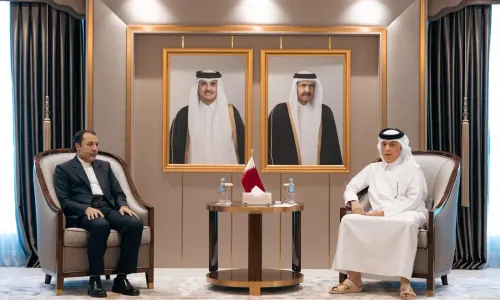
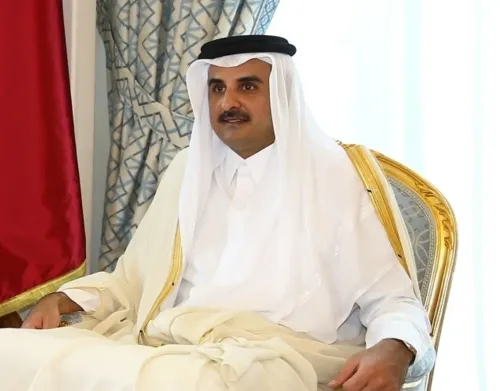
Despite the access denial, Murphy completed the remainder of his Gulf visit, meeting Saudi Crown Prince Mohammed bin Salman, Qatar's Emir Sheikh Tamim bin Hamad Al Thani, and Saudi Foreign Minister Faisal bin Farhan. Discussions covered regional security, the war with Iran, pathways towards Palestinian statehood, and efforts to end the conflict.
Murphy also said he raised concerns — framed as his own allegations — about financial relationships involving Gulf governments and businesses linked to US President Donald Trump and his family. No finding of wrongdoing was established in the congressional statement. Al Udeid Air Base, which serves as a central hub for American military operations across the Middle East, has reportedly been exposed to security threats during the conflict with Iran.
Point of View
Congress is losing its ability to independently verify what that war looks like on the ground. The Pentagon's invocation of a blanket March directive — rather than a specific operational justification — makes it harder to dismiss the senator's oversight concerns as partisan. If lawmakers cannot visit bases or receive commander briefings during active conflict, the constitutional principle of legislative oversight risks becoming ceremonial. The proposed legislation is unlikely to pass quickly, but the political pressure it creates may matter more than the law itself.
NationPress
9 Oct 2026
Frequently Asked Questions
Why was Senator Chris Murphy denied access to Al Udeid Air Base?
Murphy was denied access under a 3 March directive issued by Defence Secretary Pete Hegseth that restricted travel to the region. The Pentagon said the restriction was applied uniformly and that Murphy's office had been informed before his departure that the visit would not be supported.
What legislation is Murphy proposing?
Murphy is considering legislative language that would explicitly protect members of Congress's right to access US military installations abroad. He acknowledged it is unlikely to pass before the end of 2026 and said the issue should be taken up as part of 2027 defence spending and authorisation discussions.
What is Al Udeid Air Base and why does it matter?
Al Udeid Air Base in Qatar is one of the most important American military installations in the Middle East, serving as a major hub for US military operations in the region. It has reportedly been exposed to security threats during the ongoing conflict with Iran.
What did Murphy accomplish during his Gulf visit despite the access denial?
Murphy met Saudi Crown Prince Mohammed bin Salman, Qatar's Emir Sheikh Tamim bin Hamad Al Thani, and Saudi Foreign Minister Faisal bin Farhan. Discussions covered the war with Iran, regional security, Palestinian statehood, and — per Murphy's own account — financial ties between Gulf entities and Trump-linked businesses, though no wrongdoing was established.
Has Congress had access to US military bases during past conflicts?
Murphy indicated that congressional visits to US installations during the wars in Iraq and Afghanistan were standard practice, suggesting the current restrictions under the Hegseth directive represent a departure from precedent. The Pentagon has not publicly addressed this historical comparison.