How is Myanmar's Yangon Airport Tackling the Nipah Virus Threat?

Synopsis
As the Nipah virus outbreak continues in India, Myanmar is taking decisive action to safeguard public health. In a proactive response, Yangon International Airport has heightened health screenings and surveillance. Discover the measures being implemented to protect travelers and prevent the virus's entry into Myanmar.
Key Takeaways
Myanmar is enhancing health screenings at airports.
Focus is on travelers from India due to the Nipah virus outbreak.
Health checks target fever and Nipah-related symptoms.
Informational leaflets and posters are being distributed at airports.
No reported cases of Nipah virus in Myanmar yet.
Yangon, Feb 2 (NationPress) Myanmar has ramped up health surveillance and screening protocols at Yangon International Airport to mitigate the potential risk of the Nipah virus entering the country, according to a report from the state-owned daily The Global New Light of Myanmar released on Monday.
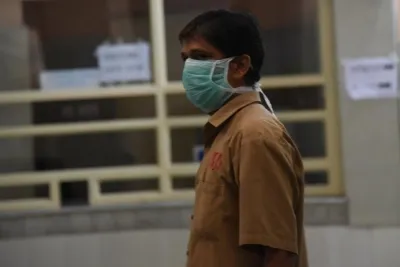
Given the ongoing outbreak of the Nipah virus in India's West Bengal state, there is a concentrated focus on travelers arriving from India, with health assessments particularly targeting fever and other symptoms linked to Nipah, as reported by the Ministry of Health.
The ministry has indicated that health checks for international travelers align with established protocols for infectious diseases that could trigger public health emergencies, as noted by Xinhua news agency.
To enhance health awareness, informational pamphlets are being distributed to travelers and posters are prominently displayed throughout the airport. Furthermore, measures for disease prevention and control are being coordinated with relevant airport departments.
Similar intensified screening and surveillance activities are also taking place at Mandalay International Airport, according to the ministry.
As of now, there have been no reported cases of Nipah virus in Myanmar, the ministry confirmed.
The Nipah virus is a zoonotic pathogen that can be transmitted from animals to humans and, in some cases, through human-to-human contact. It is recognized as a priority pathogen by the World Health Organization due to its potential for outbreaks and the severity of illness it can cause.
The Nipah virus was first identified during an outbreak among pig farmers in Malaysia in 1998. An outbreak was noted in Singapore in 1999 following the import of infected pigs from Malaysia. No new outbreaks have been reported in either country since then. Subsequent outbreaks were identified in India and Bangladesh in 2001, with Bangladesh experiencing nearly annual outbreaks since, while India sees periodic outbreaks across various regions, with the latest reported in 2026.
This virus can also spread among individuals, particularly in healthcare environments and among family members and caregivers of affected individuals through close contact. The risk of transmission can escalate in crowded, poorly ventilated hospital settings lacking adequate infection control measures.
Currently, no licensed vaccine or specific treatment exists for infection caused by the Nipah virus.
Point of View
I believe it's imperative for Myanmar to maintain vigilant health measures at our borders. Protecting the public from potential outbreaks is crucial, and the enhanced screenings at Yangon and Mandalay airports reflect a responsible approach to public health. We must remain proactive in safeguarding our communities.
NationPress
22 Sept 2026
Frequently Asked Questions
What is the Nipah virus?
The Nipah virus is a zoonotic disease that can be transmitted from animals to humans and can also spread through human-to-human contact.
How is the Nipah virus spread?
Nipah virus spreads through contaminated food, direct contact with infected animals, or close contact with infected individuals, particularly in healthcare settings.
Are there any vaccines for Nipah virus?
Currently, there is no licensed vaccine or specific treatment available for Nipah virus infection.
What measures is Myanmar taking to prevent the Nipah virus?
Myanmar has increased health screening and surveillance at international airports, particularly focusing on travelers from affected regions.
Have there been any Nipah virus cases in Myanmar?
As of now, there have been no reported cases of the Nipah virus in Myanmar.