Namibia to launch state-coordinated fuel import system by September 2025

Synopsis
Namibia is not just managing a fuel cost crisis — it is restructuring how the entire country buys petroleum. With bulk import regulations due by September 2025 and a landmark oil governance bill before parliament, Windhoek is simultaneously trying to lower today's pump prices and position itself as Africa's next major oil producer.
Key Takeaways
Namibia plans to launch Bulk Petroleum Import Coordination Regulations by end of September 2025 .
Minister Modestus Amutse described the crisis as a cost problem, not a supply shortage.
The government has committed over NAD 1 billion (about USD 62 million ) to shield consumers from rising fuel prices.
The Petroleum Exploration and Production Amendment Bill is currently before parliament to strengthen governance and investor clarity.
Major offshore discoveries in the Orange Basin by TotalEnergies , Shell , and Galp Energia have raised Namibia's profile as an emerging oil producer.
President Nandi-Ndaitwah has stated the ultimate goal is structural economic transformation, not just first oil.
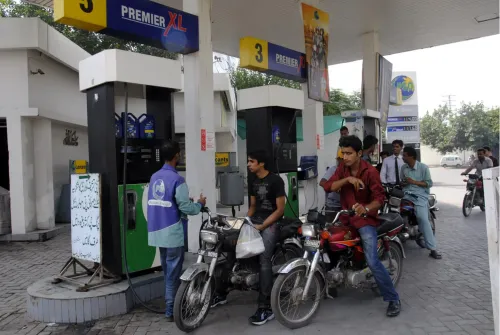
Namibia is set to introduce a state-coordinated petroleum import system by the end of September 2025, with the Ministry of Industries, Mines and Energy confirming the government is in advanced stages of finalising Bulk Petroleum Import Coordination Regulations. The move aims to lower fuel costs and improve supply chain efficiency across the country.
What the New Framework Entails
According to Industries, Mines and Energy Minister Modestus Amutse, the regulations will empower the state to coordinate the importation of all petroleum products into Namibia. The consolidation of national demand is expected to capture economies of scale and eliminate the premiums currently charged above the basic fuel price.
Amutse described the crisis as fundamentally a cost problem, not a supply one. 'The emergency we face is not one of supply but one of cost,' he said, warning that without government intervention, fuel prices would have risen sharply from July, with knock-on effects on transport, food, and other essential goods.
Government Spending to Shield Consumers
Namibia has already committed more than one billion Namibian dollars (approximately 62 million US dollars) to cushion consumers against rising fuel prices, driven largely by geopolitical tensions in the Middle East that have kept global oil markets under pressure. The coordinated import framework is intended to reduce the need for such emergency outlays over time.
Should international oil market conditions remain difficult, the government may also invite suppliers to participate in future procurement rounds under the new framework, Amutse added.
Broader Oil Sector Reforms Underway
The fuel import overhaul comes alongside wider reforms to Namibia's petroleum sector. On 15 April, President Netumbo Nandi-Ndaitwah, speaking at the eighth Namibia International Energy Conference in Windhoek, said the country is entering a critical phase as it moves toward first oil production. She stressed that investment, policy certainty, and collaboration are key to unlocking long-term economic growth.
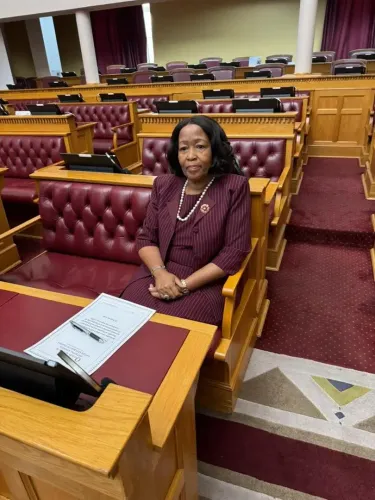
Central to these reforms is the Petroleum Exploration and Production Amendment Bill, currently before parliament, which aims to strengthen governance, improve transparency, and provide greater clarity to investors. Nandi-Ndaitwah also noted that placing the upstream petroleum unit under the presidency reflects the sector's strategic importance and is expected to improve coordination and accountability.
Orange Basin Discoveries Fuel Investor Interest
Namibia has attracted significant global attention following a series of major offshore discoveries in the Orange Basin, with international energy companies including TotalEnergies, Shell, and Galp Energia among those active in the region. Additional finds by other operators have further reinforced Namibia's standing as an emerging petroleum province.
A recently approved upstream local content policy seeks to ensure Namibians meaningfully participate in the sector through skills development, employment, and business opportunities. Nandi-Ndaitwah was clear that first oil is not the end goal. 'The goal is structural transformation, inclusive growth, and long-term prosperity for all Namibians,' she said.
With regulations expected to be finalised within months and parliament considering landmark petroleum legislation, Namibia's energy sector is poised for a period of significant structural change.
Point of View
Political interference, and reduced supplier competition. The real test will be whether the regulations are designed with transparent tendering and independent oversight, or whether 'coordination' becomes a euphemism for a state monopoly. With first oil potentially years away, Namibia needs both short-term cost relief and a credible governance framework that reassures the TotalEnergies and Shells of the world that the rules will not shift.
NationPress
15 Oct 2026
Frequently Asked Questions
What is Namibia's planned state-coordinated petroleum import system?
It is a framework under which the Namibian government will coordinate the importation of all petroleum products into the country, consolidating national demand to achieve bulk-buying discounts and eliminate premiums above the basic fuel price. The Bulk Petroleum Import Coordination Regulations are expected to be finalised by end of September 2025.
Why is Namibia introducing this fuel import reform?
Rising global oil prices, driven partly by geopolitical tensions in the Middle East, have put Namibia's fuel costs under severe pressure. Minister Amutse stated the crisis is one of cost, not supply, and warned that without intervention, prices would have risen sharply from July, affecting transport, food, and essential goods.
How much has the Namibian government spent to cushion fuel prices?
The government has committed more than one billion Namibian dollars, approximately 62 million US dollars, to shield consumers from higher fuel prices ahead of the new import framework taking effect.
What is the Petroleum Exploration and Production Amendment Bill?
It is a piece of legislation currently before the Namibian parliament aimed at strengthening governance, improving transparency, and providing greater investor clarity in the country's upstream oil and gas sector. President Nandi-Ndaitwah cited it as central to Namibia's broader petroleum sector reforms.
Which companies have made oil discoveries in Namibia's Orange Basin?
TotalEnergies, Shell, and Galp Energia are among the international energy companies that have made major offshore discoveries in the Orange Basin. Additional finds by other operators have further reinforced Namibia's potential as a competitive petroleum province.