NCB busts US drug trafficking network's India module, 6 arrested in Operation Monsoon Thunder
Synopsis
India's NCB and the US DEA have jointly dismantled an Indian arm of a transnational drug trafficking ring that shipped approximately five lakh opioid and NRx tablets to American consumers across 3,000 parcels since 2022. Six arrested, 59,000 customer records handed to the DEA — and the financial trail now points to hawala, crypto, and third-party bank accounts.
Key Takeaways
The NCB and DEA jointly busted the Indian module of a US-bound drug trafficking network under Operation Monsoon Thunder .
Six persons were arrested between 4 and 13 November 2026 during raids in Hyderabad , Delhi , Kolkata , and Lucknow .
The network reportedly handled nearly 3,000 parcels with approximately five lakh tablets destined for the US between June 2022 and November 2026 .
Customer databases with details of more than 59,000 individuals have been shared with the DEA to aid further investigation.
Payments were received via Venmo , UPI , cryptocurrency, and allegedly hawala channels.
The DEA seized two active shipment consignments after receiving intelligence from the NCB.
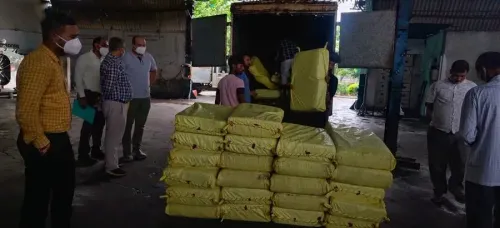
The Narcotics Control Bureau (NCB), in a joint operation with the United States Drug Enforcement Administration (DEA), has dismantled the Indian arm of a transnational drug trafficking network that was supplying psychotropic substances and opioid and non-prescription (NRx) medicines to consumers across the United States. The coordinated crackdown, codenamed 'Operation Monsoon Thunder', led to the arrest of six individuals in India between 4 and 13 November 2026.
Raids Across Four Cities
The NCB conducted simultaneous raids at multiple locations across Hyderabad, Delhi, Kolkata, and Lucknow, rounding up six persons linked to the transnational network. The operation was driven by shared intelligence between the two agencies, underscoring the increasingly cross-border character of pharmaceutical drug trafficking.
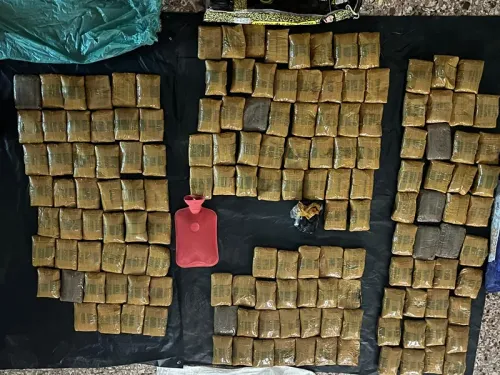
Digital records and evidence examined during the investigation indicate that the network handled nearly 3,000 parcels containing approximately five lakh tablets destined for the US between June 2022 and November 2026 — a four-and-a-half-year operation of significant scale.
Live Consignments Intercepted
During the course of the investigation, the NCB identified several active consignments containing more than 1,500 tablets that were scheduled for delivery to multiple destinations in the United States. Actionable intelligence was promptly shared with the DEA, which subsequently seized two shipment consignments.
Additionally, the NCB handed over customer databases containing details of more than 59,000 individuals to the DEA. These records include transaction history, previous consignment details, delivery addresses, United States Postal Service (USPS) tracking IDs, and drug types ordered — information the DEA is expected to use to identify customers and drop-shippers operating within the US.
How the Network Operated
The investigation revealed a sophisticated operational structure. Orders were received by Indian handlers through digital communication platforms including Telegram, Skype, and WhatsApp, while consignment and consumer records were maintained on shared platforms such as Google Sheets. Packages were dispatched through postal and commercial delivery channels, including the USPS, by network members based in the United States.
Payments flowed into the Indian operators through multiple channels: the US-based digital payments app Venmo, Unified Payments Interface (UPI), bank accounts held in third-party names, and cryptocurrency. Investigators have also gathered evidence suggesting that hawala channels were used to route payments and commissions, pointing to a deliberate effort to obscure the financial trail.
Financial Trail and International Supply Chain Under Probe
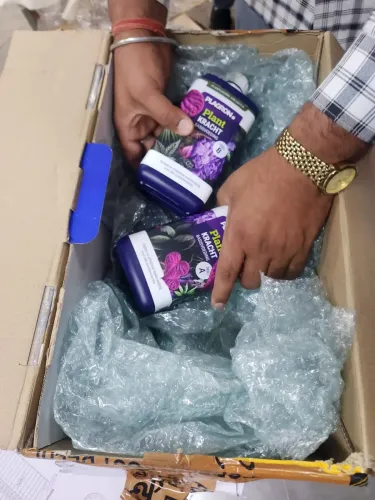
Authorities are now tracing the financial flows to identify beneficiaries and quantify the proceeds from the alleged trafficking activities. Digital records and medicine brands recovered from those arrested suggest the possible international sourcing of substances from multiple countries, though the precise procurement channels and cross-border supply chain are still under investigation.
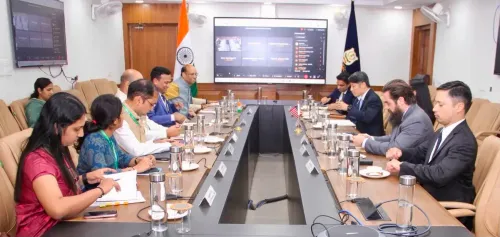
This is a significant escalation in India-US counter-narcotics cooperation, coming amid growing global concern over the illicit online pharmaceutical trade. The DEA is deploying dedicated resources to analyse the leads shared by the NCB and disrupt the broader network operating on the US side. The investigation remains active, and further arrests — both in India and abroad — are expected as authorities map the full supply chain.
Point of View
Using tools as mundane as Google Sheets and WhatsApp. The 59,000-customer database shared with the DEA is striking — it suggests the Indian module was not a peripheral node but a core logistics and data hub for a wide US distribution network. The hawala and cryptocurrency payment trails also point to an organised money-laundering apparatus running alongside the supply chain. India's ability to disrupt the full financial network — not just the dispatch end — will determine whether this is a genuine dismantling or simply a pruning.
NationPress
20 Nov 2026
Frequently Asked Questions
What is Operation Monsoon Thunder?
Operation Monsoon Thunder is a joint counter-narcotics operation conducted by India's Narcotics Control Bureau (NCB) and the US Drug Enforcement Administration (DEA) to dismantle the Indian module of a transnational drug trafficking network supplying opioid and NRx medicines to consumers in the United States. Six persons were arrested in India between 4 and 13 November 2026 during raids in Hyderabad, Delhi, Kolkata, and Lucknow.
How large was the drug trafficking network?
According to the investigation, the network handled nearly 3,000 parcels containing approximately five lakh tablets between June 2022 and November 2026. Customer databases with details of more than 59,000 individuals have been shared with the DEA, indicating the network's broad reach across the United States.
How did the network operate?
Indian operators received orders through Telegram, Skype, and WhatsApp, maintaining records on shared platforms like Google Sheets. Consignments were dispatched via postal and commercial delivery channels including the USPS. Payments were received through Venmo, UPI, cryptocurrency, third-party bank accounts, and allegedly hawala channels.
What action did the US DEA take?
The DEA seized two active shipment consignments after receiving actionable intelligence from the NCB. It has also received a customer database of over 59,000 individuals and is now deploying dedicated resources to analyse the leads and identify customers and drop-shippers operating within the US.
What happens next in the investigation?
Investigators are tracing the financial trail to identify beneficiaries and determine the proceeds from the alleged trafficking. The international supply chain — including possible sourcing from multiple countries — is under active examination. Further arrests, both in India and potentially abroad, are expected as the full network is mapped.