How Is the NDAA Guiding US Agencies to Combat China's Influence in the Indian Ocean Region?
Synopsis
The US Congress has mandated agencies to counter China's malign influence in the Indian Ocean under the NDAA for FY26. This significant legislation, endorsed by President Trump, establishes a dedicated ambassador to coordinate US diplomatic actions in the region, emphasizing a robust response to Chinese activities and reinforcing strategic partnerships.
Key Takeaways
The NDAA for FY26 directs US agencies to counter Chinese influence in the Indian Ocean.
An Ambassador-at-Large will be appointed to enhance diplomatic efforts.
The legislation aims to strengthen US partnerships and military posture in the region.
It includes measures to monitor Chinese military enterprises and their activities.
The Act emphasizes the importance of multilateral defense coordination .
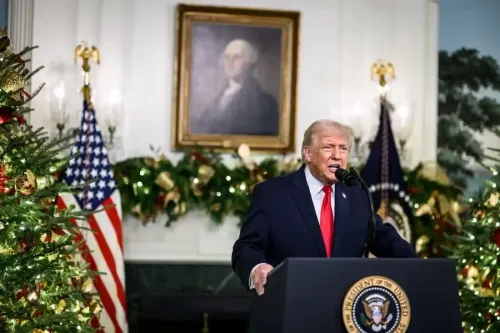
Washington, Dec 19 (NationPress) The US Congress has mandated American agencies to counter what it identifies as “malign activities by the People’s Republic of China in the Indian Ocean region through the National Defence Authorisation Act (NDAA) for fiscal year 2026, which was signed into law by President Donald Trump.
This legislation, which was enacted on Thursday, establishes an Ambassador-at-Large for the Indian Ocean Region within the State Department. This ambassador's duties include identifying and enhancing US diplomatic and interagency efforts to counteract “malign influence from the People’s Republic of China” in the region and in neighboring countries.
According to the Act, the ambassador is tasked with maintaining coordination and continuity of US diplomatic initiatives and assistance programs across nations in the Indian Ocean region while pinpointing diplomatic, military, economic, and development efforts that are of strategic interest to the US.
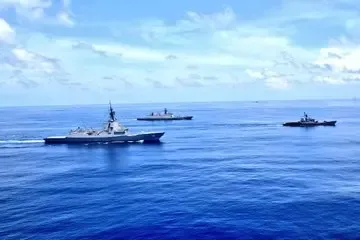
The provisions concerning the Indian Ocean are part of a larger Indo-Pacific strategy within the FY26 NDAA, which emphasizes competition with China across military, economic, and strategic domains. The law consistently highlights the necessity of fortifying the US posture, partnerships, and coordination to address regional aggression and malign influences.
Beyond the Indian Ocean provisions, the NDAA incorporates measures to thwart Chinese military enterprises from evading US restrictions via third-party nations. It also mandates heightened oversight and reporting concerning entities associated with the Chinese military, security services, and state-affiliated organizations.
The Act also instructs US agencies to evaluate global competition with China in the civil nuclear realm, encompassing China’s involvement in nuclear fuel markets and its role throughout the nuclear supply chain. These evaluations are to be included in reports to Congress regarding US diplomatic engagements and negotiations concerning civil nuclear cooperation agreements.
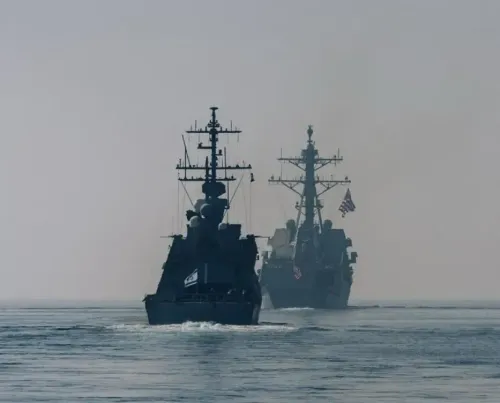
Within the broader Indo-Pacific framework, the NDAA authorizes funding for the Pacific Deterrence Initiative, enabling continued investments in military posture, infrastructure, readiness, and capabilities under US Indo-Pacific Command. It also calls for efforts to enhance multilateral defense coordination, increase information-sharing, and boost maritime domain awareness among US allies and partners.
The legislation also urges the development of a strategy to strengthen multilateral defense in the Indo-Pacific by increasing coordination through bilateral and multilateral forums, broadening the scope and scale of military exercises, and improving command-and-control frameworks among partner nations.
While not every provision mentions China, several parts of the Act explicitly refer to the People’s Republic of China as a strategic competitor whose actions necessitate a coordinated US response, especially in the Indo-Pacific and Indian Ocean areas.
Passed annually, the NDAA governs US defense policy, funding levels, and oversight requirements. The FY26 law underscores Congress’s dedication to countering China’s influence and enhancing US diplomatic and security efforts across strategically vital maritime regions, including the Indian Ocean.
Point of View
It is essential to recognize the strategic importance of the NDAA's provisions. The directive to counter China's influence reflects a growing concern about regional stability and the necessity for the US to strengthen its diplomatic and military posture. This legislation not only aims to safeguard US interests but also enhance collaboration with allies in the face of emerging threats. The ongoing developments warrant close observation as they will shape the geopolitical landscape of the Indian Ocean.
NationPress
19 Sept 2026
Frequently Asked Questions
What does NDAA stand for?
NDAA stands for the National Defence Authorisation Act, which outlines US defense policy and funding.
Who signed the NDAA into law?
The NDAA for fiscal year 2026 was signed into law by President Donald Trump.
What is the role of the Ambassador-at-Large for the Indian Ocean Region?
The Ambassador-at-Large is responsible for coordinating US diplomatic efforts and countering malign influence from the People's Republic of China in the Indian Ocean region.
Why is the US focused on the Indian Ocean region?
The US is focused on the Indian Ocean region due to its strategic importance and the need to counter China's growing influence.
What are the broader implications of the FY26 NDAA?
The FY26 NDAA emphasizes strengthening US partnerships and military capabilities in response to regional aggression and is part of a larger Indo-Pacific strategy.