Nepal floods: 177 dead, 826 missing; 21 Indians rescued in Timure

Synopsis
A catastrophic flash flood from Tibet's highlands has killed at least 177 people in Nepal and left over 826 — including 579 tourists and dozens of security personnel — unaccounted for. Among those rescued: 21 Indian nationals pulled to safety by the Nepali Army from Timure. With PM Balendra Shah now on the ground in Nuwakot, the scale of this cross-border disaster is still unfolding.
Key Takeaways
177 people killed and 826 out of contact after flash floods hit Nepal's Bhote Koshi River on 27 August .
The flood originated in the Tibetan region of China and swept through multiple Nepali districts including Rasuwa , Nuwakot , Chitwan , and Dhading .
21 Indian nationals and 95 Nepali citizens were rescued from Timure by the Nepali Army .
Of the 826 missing, 579 are tourists; dozens of Nepali Army , Nepal Police , and APF personnel are also unaccounted for.
Prime Minister Balendra Shah visited Bidur Municipality in Nuwakot to oversee relief and reconstruction efforts.
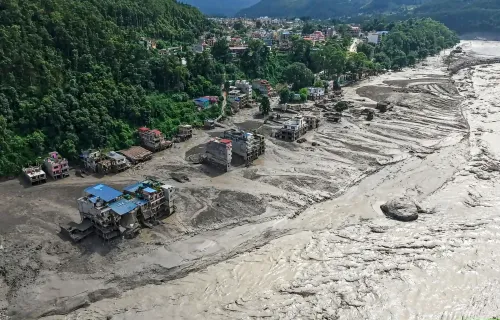
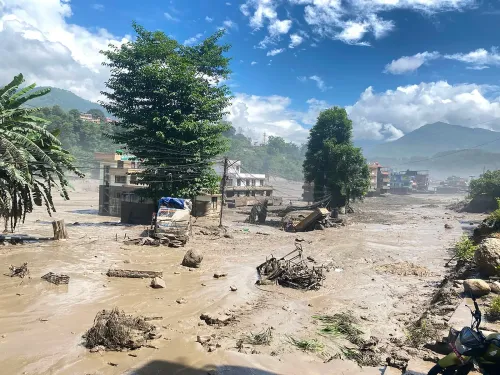
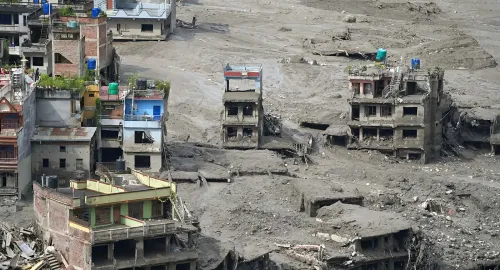
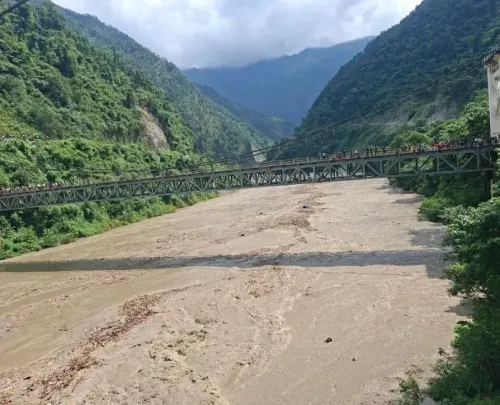
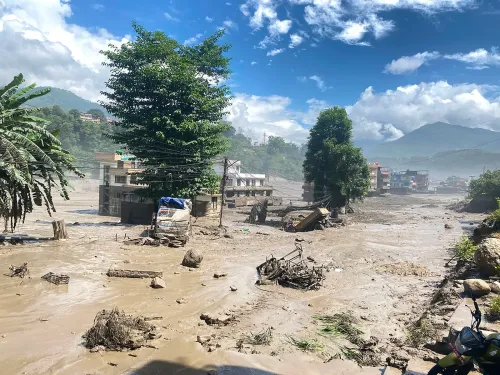
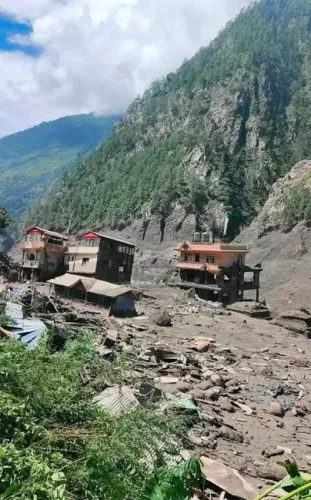
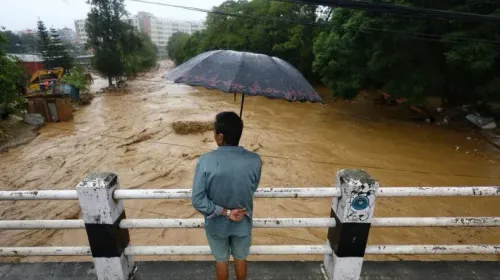
At least 177 people have been killed and more than 826 remain out of contact after catastrophic flash floods tore through Nepal's Bhote Koshi River valley, Nepali authorities confirmed on Thursday, 27 August. The disaster, triggered by a surge originating in the Tibetan region of China, swept through human settlements, hydropower installations, customs offices, and electricity infrastructure across multiple districts.
Scale of the Disaster
Nepal Police confirmed that the bodies of 177 people had been recovered by 10 a.m. Thursday, with the toll expected to rise as rescue teams continued to comb riverbanks. The flood, which travelled down the transboundary Bhote Koshi and Trishuli river systems, left a trail of destruction across the districts of Rasuwa, Nuwakot, Dhading, Chitwan, Gorkha, Tanahun, Nawalparasi (East), and Nawalparasi West. The highest concentration of recovered bodies was in Chitwan, in Nepal's southern plains.
826 Out of Contact, Including Tourists
According to the National Disaster Risk Reduction and Management Authority (NDRRMA), as many as 826 people remained unaccounted for as of 11 a.m. Thursday. Of these, 579 were tourists, though the authority did not specify whether they were foreign or domestic visitors. Additionally, 48 Nepali Army personnel, 28 Nepal Police personnel, and 13 Armed Police Force (APF) members were among those out of contact, along with 162 civilians from Rasuwa and Nuwakot districts.
21 Indians Among Those Rescued in Timure
In a social media post, Nepali Prime Minister Balendra Shah said the Nepali Army launched a rescue operation early Thursday, safely evacuating 95 Nepali citizens and 21 Indian nationals from Timure, one of the worst-affected areas. The rescue marks a notable cross-border dimension to the disaster, with Indian nationals caught in the flood zone along the Nepal-Tibet corridor.
PM Shah Visits Flood-Hit Districts
Prime Minister Shah departed for flood-affected Bidur Municipality in Nuwakot district on Thursday morning for an on-site inspection. He was accompanied by the Infrastructure Development Minister, and the two were expected to assess physical damage, meet local administration officials, security agencies, and elected representatives, and issue directions for rapid relief delivery and infrastructure reconstruction, according to the Prime Minister's Office (PMO).
A Recurring Threat
This is not the first time the Bhote Koshi has caused mass casualties in Nepal. The river, which originates in Tibet and flows into Nepal before joining the Trishuli, has a documented history of glacial lake outburst floods (GLOFs) and monsoon surges. This comes amid growing concern over upstream water releases and glacial instability in the Tibetan plateau, a pattern that experts say is intensifying with climate change. The scale of the current disaster — with over 800 people still missing — makes it one of the deadliest flood events in Nepal in recent years.
Point of View
Yet infrastructure along its banks, including hydropower projects and border customs posts, continues to expand. With over 800 people still missing and 579 of them tourists, the absence of an early-warning system accessible to non-Nepali visitors is a glaring accountability gap. The cross-border dimension — a flood originating in China causing mass casualties in Nepal and trapping Indian nationals — also raises questions about transboundary water-flow data-sharing that neither government has answered publicly.
NationPress
27 Aug 2026
Frequently Asked Questions
How many people have died in the Nepal Bhote Koshi floods?
At least 177 people have been killed as of 10 a.m. on 27 August , according to Nepal Police. The death toll is expected to rise as rescue operations continue across multiple affected districts.
How many people are missing after the Nepal floods?
The National Disaster Risk Reduction and Management Authority (NDRRMA) confirmed that 826 people remained out of contact as of 11 a.m. Thursday , including 579 tourists and dozens of security personnel from the Nepali Army, Nepal Police, and Armed Police Force.
Were any Indian nationals affected by the Nepal floods?
Yes. 21 Indian nationals were among those rescued from Timure by the Nepali Army on Thursday morning, along with 95 Nepali citizens . Prime Minister Balendra Shah confirmed the rescue in a social media post.
Where did the Nepal flash floods originate?
The flood originated in the Tibetan region of China and surged through the transboundary Bhote Koshi River into Nepal, eventually affecting districts along the Trishuli river system as well.
What is the Nepal government doing in response to the floods?
Prime Minister Balendra Shah visited Bidur Municipality in Nuwakot district on Thursday to assess damage and meet local officials. The government has directed rapid delivery of relief to all affected areas and accelerated reconstruction of damaged infrastructure, according to the Prime Minister's Office .