Nepal flood death toll crosses 1,000; nearly 4,000 still out of contact
Synopsis
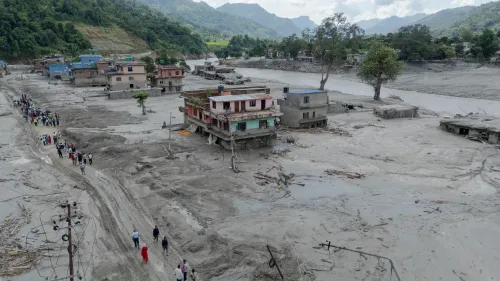
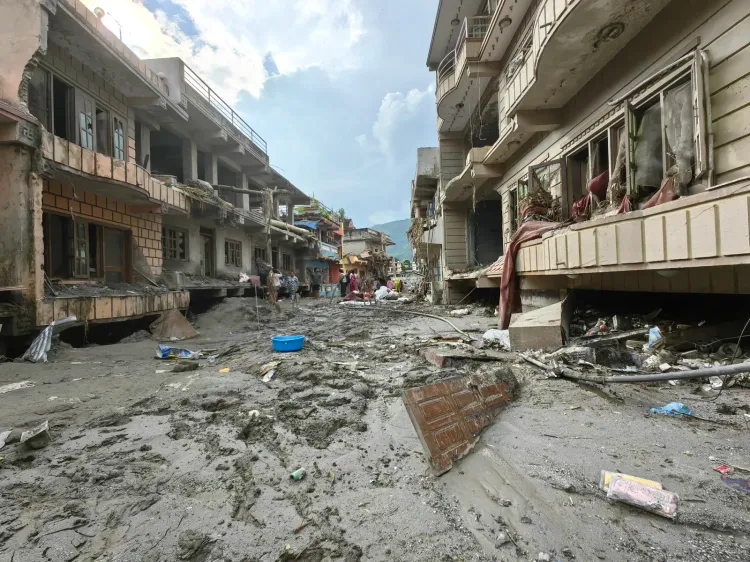
Nepal's flood death toll has crossed 1,000 — with nearly 4,000 people still unaccounted for, including hundreds of hydropower workers stranded along the Bhotekoshi and Trishuli corridors. It is one of the country's deadliest flood disasters in recent memory, and the full scale of the tragedy is still emerging.
Key Takeaways
Nepal's flood death toll reached 1,003 as of Tuesday, 1 September , according to the NDRRMA .
3,916 people remain out of contact, including 583 foreign nationals and government personnel.
639 hydropower workers along the Bhotekoshi and Trishuli river corridors are among the missing.
Chitwan recorded the highest body count at 321 ; Nawalparasi East follows with 216 .
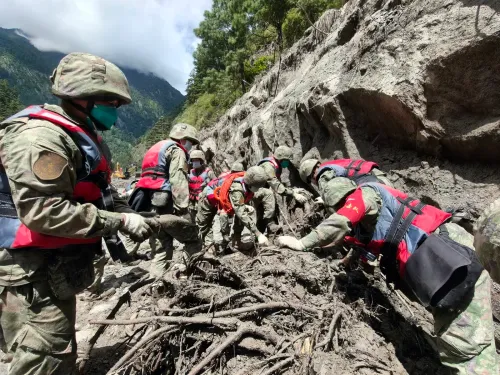
21,314 security personnel are deployed; 11,884 people have been rescued so far.
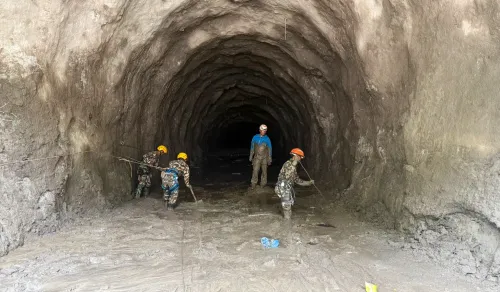
Joint rescue operations with foreign experts are ongoing at multiple hydropower project sites.
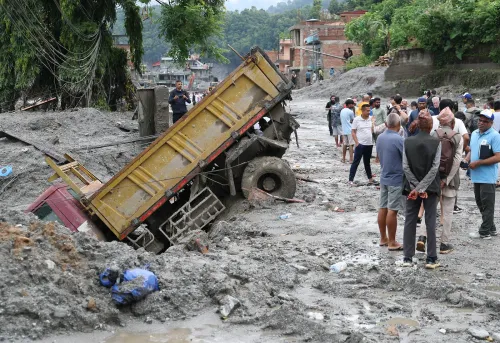
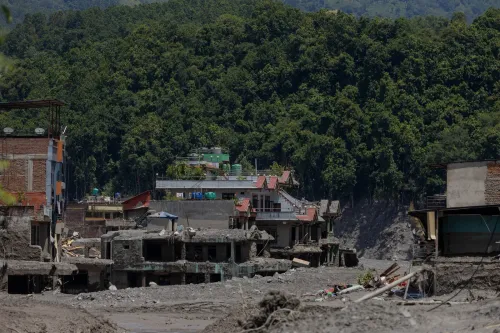
Nepal's catastrophic floods have claimed at least 1,003 lives, with bodies continuing to wash up along riverbanks across multiple districts as of Tuesday, 1 September. The National Disaster Risk Reduction and Management Authority (NDRRMA) confirmed the toll in its latest update, while 3,916 people — including 583 foreign nationals — remain out of contact following last week's disaster.
Where the Casualties Are Concentrated
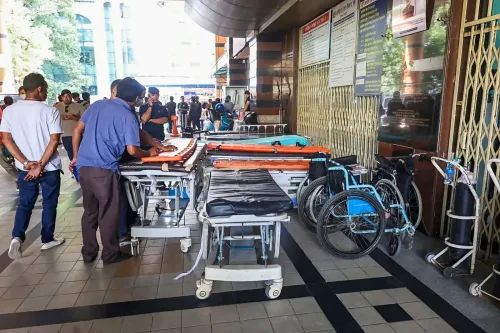
The southern district of Chitwan recorded the highest number of recovered bodies at 321, followed by Nawalparasi East with 216. Unidentified remains have been stored at 21 designated locations across the affected region as identification efforts continue. A further 279 people have been confirmed injured, with casualty details still being compiled as search operations proceed.
Hydropower Workers Among the Missing
Of particular concern is the fate of 639 workers stationed at various hydropower projects along the Bhotekoshi and Trishuli river corridors, all of whom have been out of contact since the floods struck. The missing also include Nepali Army, Armed Police Force, and Nepal Police personnel, as well as other government employees, according to the NDRRMA.
The Nepali Army confirmed that joint rescue operations are underway at several hydropower sites, including the Chilime Hydropower Project, Langtang Hydropower Project, Upper Trishuli-1, and Trishuli-3A, with assistance from foreign experts. During the initial rescue phase, 279 people were pulled alive from hydropower project areas — among them 221 from Upper Trishuli-3A, 33 from Upper Trishuli-1, and smaller groups from Rasuwagadhi, Mailung, Nuwakot Solar Power Project, Trishuli Hydropower Project, and Devghat Hydropower Project.
Scale of the Rescue Operation
A total of 21,314 security personnel have been deployed across affected districts, comprising 9,199 from the Nepali Army, 7,912 from Nepal Police, and 4,203 from the Armed Police Force. As of the latest update, 11,884 people have been rescued, with helicopters and other resources being used to reach those still stranded in inaccessible terrain.
What Comes Next
Search, rescue, and relief operations are ongoing, with authorities prioritising the hydropower corridors where large numbers of workers remain unaccounted for. The disaster — one of Nepal's deadliest flood events in recent years — has exposed the acute vulnerability of infrastructure projects built along the country's fast-flowing Himalayan river systems. A full accounting of casualties and missing persons is expected to take several more days as remote areas become accessible.
Point of View
000 places this among Nepal's most lethal flood events on record, yet the figure is almost certainly an undercount — nearly 4,000 people remain unaccounted for, and many remote valleys are still inaccessible. The concentration of missing persons around hydropower infrastructure is a signal that deserves scrutiny: Nepal has aggressively expanded river-corridor projects in geologically unstable zones, and disaster-preparedness protocols for those worksites are now under implicit question. The presence of 583 missing foreign nationals also raises the diplomatic stakes. As the rescue window narrows, the harder conversation — about where Nepal builds, and under what safety standards — cannot wait for the monsoon to end.
NationPress
1 Sept 2026
Frequently Asked Questions
What is the current death toll from the Nepal floods?
As of Tuesday, 1 September, the confirmed death toll from Nepal's floods stands at 1,003, according to the National Disaster Risk Reduction and Management Authority (NDRRMA). Bodies continue to be recovered along riverbanks in multiple districts, and the toll is expected to rise.
How many people are still missing after the Nepal floods?
A total of 3,916 people remain out of contact, including 583 foreign nationals, according to the NDRRMA. The missing include Nepali Army and police personnel, government employees, and 639 workers at hydropower projects along the Bhotekoshi and Trishuli river corridors.
Which districts have been worst affected by the Nepal floods?
Chitwan district in southern Nepal recorded the highest number of recovered bodies at 321, followed by Nawalparasi East with 216. Unidentified remains are being held at 21 locations across the affected areas pending identification.
How many people have been rescued so far?
A total of 11,884 people have been rescued as of the latest update. Over 21,314 security personnel — from the Nepali Army, Nepal Police, and Armed Police Force — are deployed, using helicopters and other resources to reach stranded survivors.
Why are hydropower workers a major concern in the Nepal flood rescue?
639 workers at hydropower projects along the Bhotekoshi and Trishuli river corridors have been out of contact since the floods struck. Joint rescue operations involving foreign experts are ongoing at sites including Chilime, Langtang, Upper Trishuli-1, and Trishuli-3A, where the terrain makes access difficult.