Has the Nepal Government Withdrawn Its Controversial Social Media Bill?
Synopsis
In a significant move, Nepal's interim government has decided to revoke the controversial Social Media Bill that faced widespread backlash for its potential threat to freedom of expression. This decision comes in the wake of protests that led to the previous government's downfall, emphasizing the importance of safeguarding digital rights.
Key Takeaways
Nepal's interim government has withdrawn the controversial Social Media Bill.
The bill faced criticism for threatening freedom of expression .
Protests from Gen Z fueled the backlash against the previous government's actions.
New regulations are needed to balance governance and digital rights.
The move signals a shift towards greater accountability in governance.
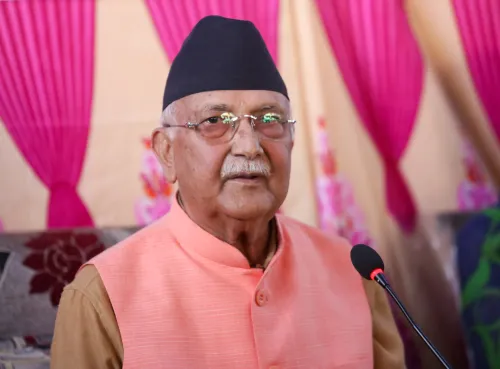
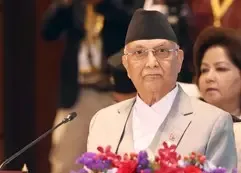
Kathmandu, Feb 3 (NationPress) The interim government of Nepal announced on Tuesday its decision to retract the Social Media Bill that had been introduced in Parliament by the previous K P Sharma Oli-led administration. This bill had faced substantial criticism for its potential infringement on freedom of expression.
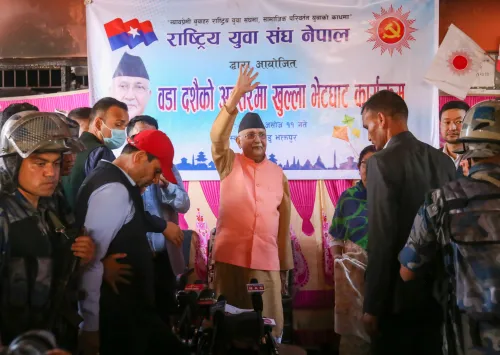
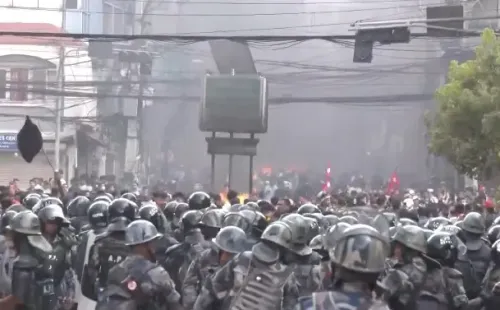
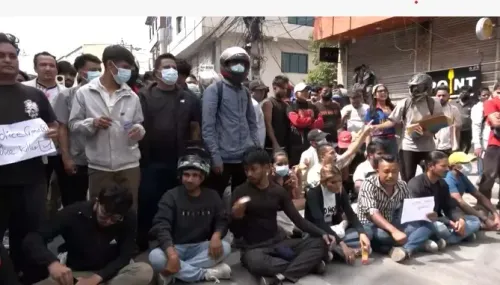
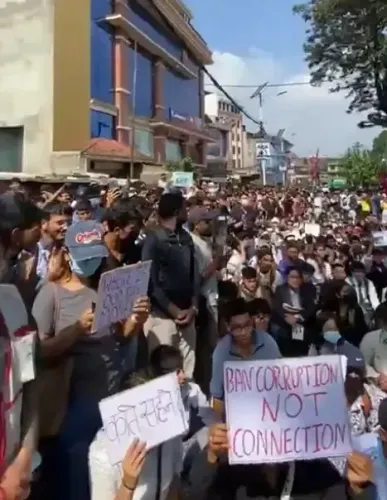
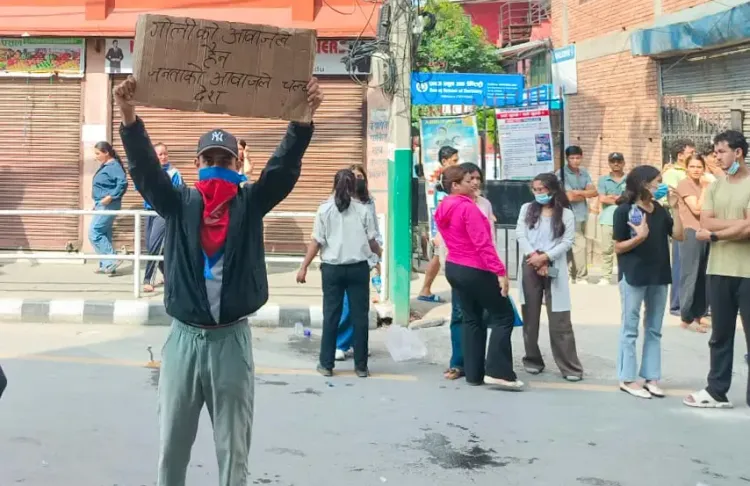
The government's move is reminiscent of the protests led by Gen Z against the social media ban imposed by Oli's government in September of last year. These protests escalated into wider anti-corruption demonstrations, ultimately contributing to the fall of the seemingly robust Oli-led government.
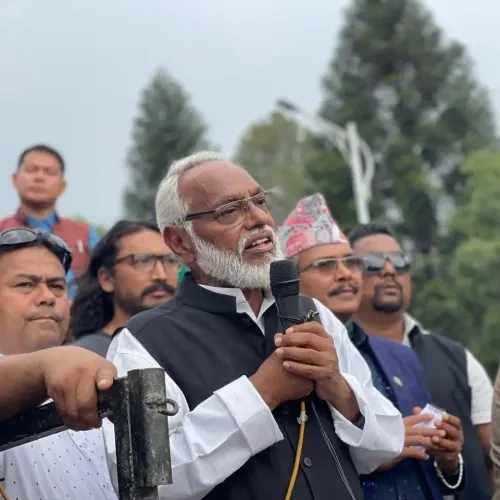
Government spokesperson and Home Minister Om Prakash Aryal informed reporters that a Cabinet meeting had resolved to withdraw the contentious Social Media Bill from Parliament.
The legislation sought to regulate social media platforms, arguing that the existing guidelines under the Directives for Managing the Use of Social Networks, 2023 were inadequate.
In early September, the Oli administration had imposed a ban on various social media platforms, including Meta (Facebook, Instagram, WhatsApp), Alphabet (YouTube), X (formerly Twitter), Reddit, and LinkedIn, claiming they had not registered with the Nepali government as required by regulations.
This prohibition sparked significant backlash from Gen Z protesters, which later evolved into broader anti-corruption protests, leading to the downfall of the Oli government. Despite this, the bill initiated by the Oli administration remained pending in the upper house of Parliament, containing several provisions that stakeholders feared could limit freedom of expression.
The Federation of Nepalese Journalists, representing Nepali journalists, along with various digital rights organizations, criticized numerous provisions of the bill.
Among the most controversial clauses was the section regarding penalties for misuse of social media. The bill outlined approximately a dozen offenses that could result in heavy fines and imprisonment.
Individuals disseminating false or misleading information using fake identities would face the most severe penalties, including imprisonment for up to five years and fines of up to NPR 1.5 million.
“No individual shall create or operate on a platform any pseudonymous, permanent, or temporary group, page, or any other type of ID to distribute false or misleading information in a manner that undermines Nepal’s sovereignty, territorial integrity, or contravenes national interests,” a clause of the bill stated.
The bill also mandated that social media platforms could only operate after acquiring a license from government authorities. Platforms that failed to do so would face a penalty of NPR 2.5 million.
It also proposed stringent penalties for offenses such as cyberbullying, phishing, imposter scams, sextortion, and extortion conducted through social media, among other issues.
Point of View
Which must be carefully considered in any future legislative proposals.
NationPress
11 Oct 2026
Frequently Asked Questions
What prompted the withdrawal of the Social Media Bill in Nepal?
The withdrawal was prompted by widespread criticism and protests from Gen Z activists who opposed the bill's potential to curtail freedom of expression.
What were some controversial provisions in the Social Media Bill?
The bill included harsh penalties for misinformation, including imprisonment and hefty fines for using fake identities to spread false information.
How did the previous government's actions impact the current political climate?
The previous government's ban on social media led to significant protests, which contributed to its downfall, highlighting the public's demand for greater freedom and accountability.