New York City Council bans horse carriages with Romanch's Law, honouring Indian teen killed in Central Park
Synopsis
A teenage tourist from Pathankot who died saving his mother from a runaway horse carriage in Central Park has now given his name to a New York City law banning horse-drawn carriages entirely. Romanch's Law passed with a veto-proof majority on 23 October — the result of years of stalled activism that one family's tragedy finally broke open.
Key Takeaways
The New York City Council passed Romanch's Law on 23 October 2026 , banning horse-drawn carriages citywide.
The law is named after Romanch Mahajan , an Indian teen from Mamun, Pathankot , killed in Central Park in June 2026 while trying to save his mother from a bolting horse carriage.
The bill passed with a veto-proof supermajority ; even if Mayor Zohran Mamdani refuses to sign, it will become law.
City Council Speaker Julie Menin hailed the vote as a commitment to animal welfare, public safety, and worker protection.
Romanch's uncle Gaurav Mahajan attended the City Hall rally and appealed to New Yorkers not to forget his nephew.
Animal rights activists had campaigned for the ban for years before Romanch's death provided the decisive political impetus.
The New York City Council on Thursday, 23 October 2026, passed Romanch's Law, a landmark legislation banning horse-drawn carriages in the city, named in honour of Romanch Mahajan, an Indian teenage tourist killed in Central Park after a carriage accident in June 2026. The bill passed with enough votes to be veto-proof, marking the culmination of years of animal rights campaigning and a tragedy that gave the movement its decisive momentum.
Who Was Romanch Mahajan
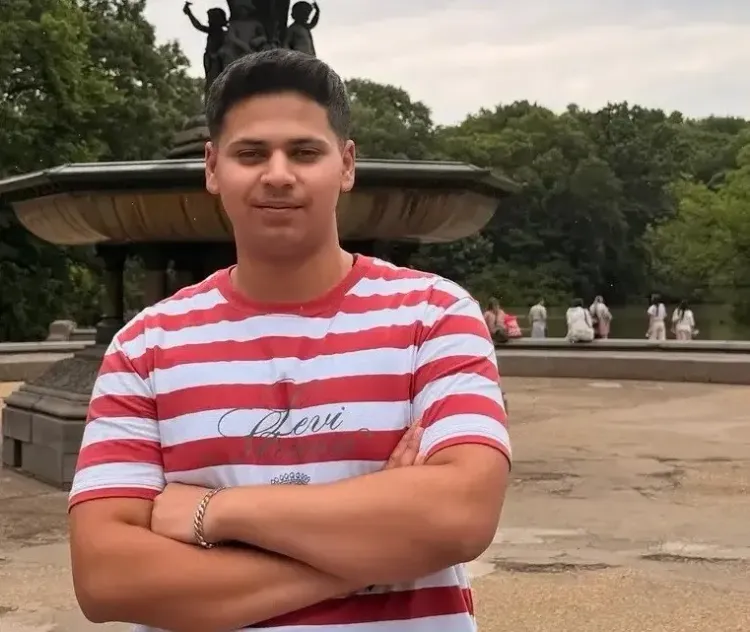
Romanch Mahajan had recently completed his higher secondary education from Angel's Public School in Mamun, Pathankot, and was visiting New York City with his parents and brother as a tourist. While the family was enjoying the sights of Central Park, the carriage driver stopped to photograph them. The horse suddenly bolted, overturning the carriage. Romanch's mother, Priya, was thrown off the vehicle, and as he dove to save her, his head struck the ground. He later died in hospital.
What the Law Says and How It Was Passed
Romanch's Law, adopted by the New York City Council on Thursday, formally bans horse-drawn carriages from operating in the city. City Council Speaker Julie Menin called it a watershed moment, stating: 'Our landmark vote to pass Romanch's Law is a demonstration of this Council's commitment to animal welfare, public safety, and worker protection.' The bill cleared the Council with a supermajority, making it veto-proof. Mayor Zohran Mamdani must now sign the legislation; should he decline, the bill will still become law by virtue of the vote count.
The Family's Appeal to New Yorkers
Romanch's uncle, Gaurav Mahajan, attended a rally outside City Hall ahead of the vote, speaking on behalf of the family. 'True justice means recognising that these gentle, majestic horses do not belong on the congested asphalt or trapped in dangerous traffic,' he said. He added: 'On behalf of his parents and his brother, I leave New Yorkers with one final sacred request: please do not forget Romanch.'
Years of Campaigning, One Tragedy as a Turning Point
Animal rights activists had campaigned for a horse-carriage ban in New York City for many years, but consistently faced opposition from carriage vehicle owners and the union representing drivers. Romanch's death in June 2026 provided the final impetus that shifted the political calculus. This is a pattern seen in safety legislation across jurisdictions — where systemic campaigning alone stalls, a single high-profile incident accelerates change. Notably, Romanch's case drew significant attention in India, where his home town of Pathankot mourned a student who had only just completed his schooling before the fatal trip.
What Happens Next
With the bill now sent to Mayor Mamdani, formal implementation timelines and provisions for workers currently employed in the horse-carriage industry are expected to be detailed in the weeks ahead. Industry bodies and animal welfare organisations alike are watching closely, as the law could set a precedent for other cities debating similar bans.
Point of View
But on grief. Animal rights groups had the data and the advocacy for years — what they lacked was a name and a story. The deeper question now is what happens to carriage workers, whose livelihoods the law disrupts; Speaker Menin cited 'worker protection' in the same breath as animal welfare, but the mechanism for that protection remains undetailed. For India, the law carries a bittersweet resonance: a student from a small Punjab town, just finished with school, becomes the unlikely architect of a New York City ordinance. That is both tribute and indictment of the hazard that cost him his life.
NationPress
23 Oct 2026
Frequently Asked Questions
What is Romanch's Law in New York City?
Romanch's Law is a legislation passed by the New York City Council on 23 October 2026 that bans horse-drawn carriages from operating in the city. It is named after Romanch Mahajan, an Indian teenage tourist who died in Central Park in June 2026 after a horse bolted and overturned a carriage he was riding with his family.
Who was Romanch Mahajan?
Romanch Mahajan was a teenager from Mamun, Pathankot, in Punjab, India, who had just completed his higher secondary education at Angel's Public School. He was visiting New York City with his parents and brother when the carriage accident occurred in Central Park; he died in hospital after hitting his head while trying to save his mother.
Will the horse carriage ban become law even if the Mayor does not sign it?
Yes. The bill passed the New York City Council with a veto-proof supermajority. Even if Mayor Zohran Mamdani declines to sign it, the legislation will automatically become law.
Why did it take so long to ban horse carriages in New York City?
Animal rights activists had campaigned for a ban for many years but faced sustained opposition from carriage vehicle owners and the union representing drivers. Romanch Mahajan's death in June 2026 provided the final political momentum needed to push the bill through the Council.
What did Romanch's family say after the law was passed?
Romanch's uncle, Gaurav Mahajan, spoke at a rally outside City Hall before the vote. He said the horses do not belong on congested roads and appealed to New Yorkers: 'please do not forget Romanch,' conveying the message on behalf of Romanch's parents and brother.