Is the Nuclear Arms Control Pact Ending Today Giving Russia Freedom to Act?
Synopsis
With the New START treaty's expiration today, Russia claims freedom from obligations, raising concerns about future nuclear arms control. How will this shift impact global security and U.S.-Russia relations?
Key Takeaways
New START treaty has expired.
Russia believes it is free from treaty obligations.
Potential for military escalation if tensions rise.
U.S. hopes for future agreements.
This treaty was the last arms control pact between the nations.
Moscow, Feb 5 (NationPress) The Russian Foreign Ministry has declared that it considers the parties involved in the New Strategic Arms Reduction Treaty (New START) between Russia and the United States to be free from any obligations associated with the agreement.
On Wednesday, the ministry stated that Russia has not received a formal official response from the United States regarding its initiative to extend voluntary nuclear arms ceiling restraints beyond the treaty's expiration date of February 5.
"Given the current circumstances, we believe that the parties to the New START are no longer obligated by any commitments or symmetrical declarations related to the Treaty, including its essential provisions, and are essentially free to determine their future actions," the statement indicated.
The ministry emphasized that Russia is prepared to implement decisive military-technical measures to address potential threats to national security. Furthermore, it expressed openness to political and diplomatic initiatives aimed at stabilizing the strategic landscape if conducive conditions are established, as reported by Xinhua news agency.
The New START treaty, which was signed by Russia and the United States in 2010, is designed to limit the number of deployed nuclear warheads and delivery systems. It came into force on February 5, 2011, originally set for a duration of 10 years and later extended to February 5, 2026.
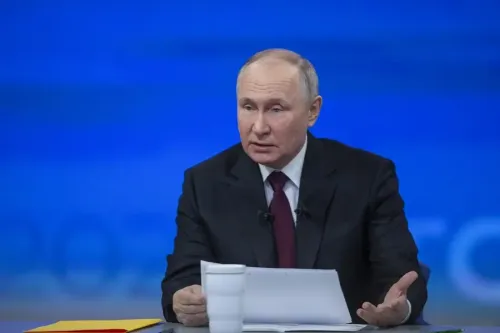
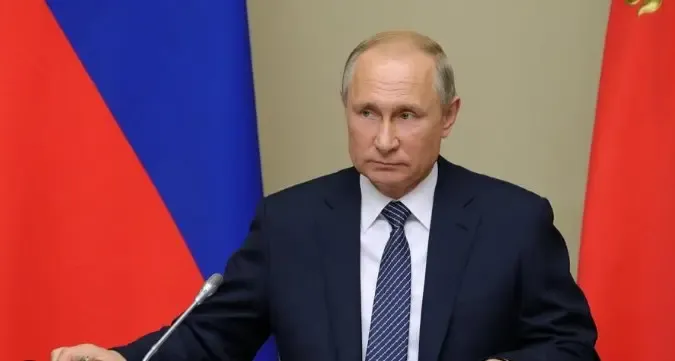
In September 2025, Russian President Vladimir Putin stated that Russia would continue to adhere to the treaty's core limits for one year after its expiration, contingent on the U.S. refraining from actions that could undermine the current strategic equilibrium.
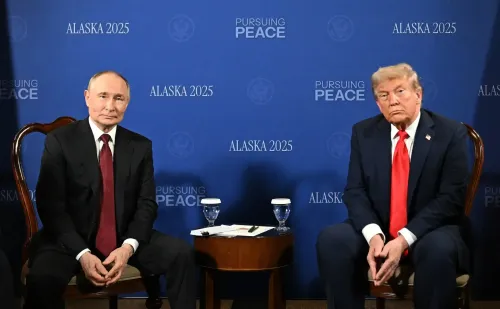
U.S. President Donald Trump mentioned in January that he was not worried about the treaty's impending expiration and expressed optimism that both nations would arrive at a new agreement.
This treaty stands as the last remaining arms control agreement between the two countries following Washington's withdrawal from the Intermediate-Range Nuclear Forces Treaty in 2019.
Point of View
It's essential to recognize the implications of the New START treaty's expiration. This development reflects a critical juncture in U.S.-Russia relations, raising significant concerns for national and global security. The approach we take must prioritize diplomatic engagement while remaining vigilant about potential military escalations.
NationPress
22 Oct 2026
Frequently Asked Questions
What is the New START treaty?
The New START treaty is a nuclear arms control agreement signed by Russia and the United States in 2010, aimed at limiting the number of deployed nuclear warheads and delivery systems.
When did the New START treaty come into force?
The treaty came into force on February 5, 2011, with an original validity of 10 years, later extended to February 5, 2026.
What is Russia's stance after the treaty's expiration?
Russia claims it is no longer bound by obligations under the treaty and is prepared to take military measures if necessary.
What was the U.S. response to the treaty's expiration?
U.S. President Donald Trump expressed hope for a new agreement but indicated he was not concerned about the treaty's expiration.
Why is the New START treaty significant?
It is the last remaining arms control agreement between the U.S. and Russia, crucial for maintaining strategic stability.