Release of Former Nepal PM Oli and Home Minister Lekhak After 13 Days in Custody
Synopsis
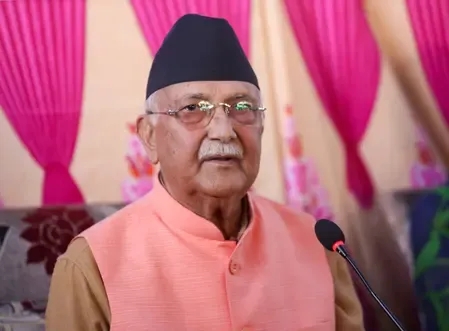
In a significant legal development, former Nepal Prime Minister KP Sharma Oli and ex-Home Minister Ramesh Lekhak were released from jail after 13 days. Their arrest was linked to the tragic Gen Z protests, highlighting the ongoing political tensions in the country.
Key Takeaways
Former PM Oli and ex-Home Minister Lekhak released from jail.
They were detained for 13 days amidst serious allegations.
The court emphasized the need for a thorough investigation.
Oli claims his detention was illegal and politically motivated.
The Gen Z protests had devastating outcomes, with significant loss of life and property.
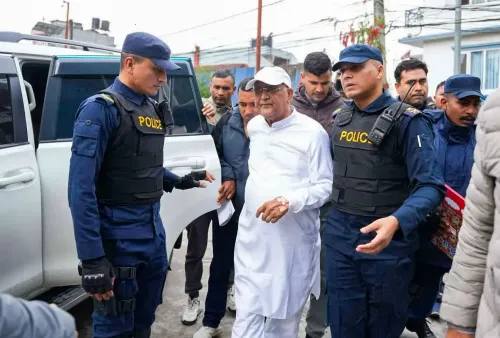
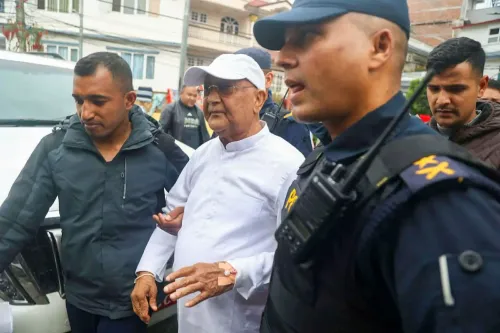
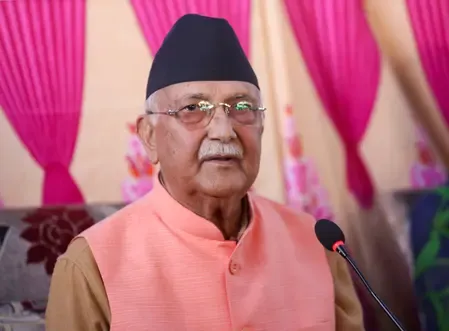
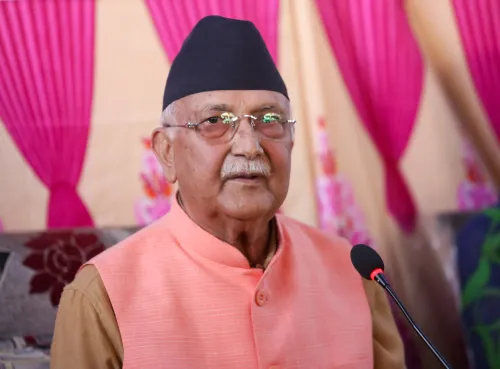
Kathmandu, April 9 (NationPress) - The former Prime Minister of Nepal, KP Sharma Oli, along with ex-Home Minister Ramesh Lekhak, was released from judicial custody on Thursday, following a Supreme Court order. This came after they had spent 13 days behind bars.
The duo was taken into custody on March 28 over a culpable homicide case linked to the Gen Z protests that occurred in September of the previous year, which tragically resulted in the deaths of several protesters.
Upon hearing the habeas corpus petition filed by their families, the Supreme Court mandated their release by Thursday, once the additional five-day remand allotted by the Kathmandu District Court had lapsed.
The court's directive stated, "Complete the investigation and either pursue the necessary legal actions or release Oli and Lekhak in accordance with the National Criminal Procedure Code."
After his release, former Prime Minister Oli asserted that his detention was unlawful.
He remarked, "Despite the government's attempts to impose criminal charges against me in a biased and retaliatory fashion, and my subsequent illegal detention for 13 days, I have been released as they could not substantiate their claims with adequate evidence to support prosecution in this matter," as he shared on Facebook.
However, the former Prime Minister indicated that he would remain in the hospital for a few more days due to health issues.
The arrests were prompted by the recommendations made by a commission under the leadership of former Special Court Chairperson Gauri Bahadur Karki, which was established to investigate the events surrounding the Gen Z protests in Nepal on September 8 and 9 last year.
This commission suggested that Oli, Lekhak, and former Police Chief Chandra Kuber Khapung face charges under Sections 181 and 182 of the National Penal Code for criminal negligence, which could result in sentences of up to 10 years if found guilty.
Furthermore, the report recommended actions against several officials, including former Home Secretary Gokarna Mani Dawadi, current Armed Police Force Chief Raju Aryal, and the previous head of the National Investigation Department Hutaraj Thapa, as well as the then Chief District Officer of Kathmandu Chhabi Rijal. These individuals could face prosecution under Section 182 of the code, which carries a maximum penalty of three years imprisonment.
According to the government's report, during the Gen Z protests, 77 lives were lost, and public and private properties suffered damages exceeding NPR 84 billion.
Point of View
It’s crucial to recognize the significance of this development. The release of prominent political figures like KP Sharma Oli and Ramesh Lekhak not only reflects the ongoing legal battles but also underscores the heightened political tensions in Nepal. The implications of their arrests and subsequent release resonate deeply within the fabric of Nepalese society, raising questions about governance and accountability.
NationPress
15 Oct 2026
Frequently Asked Questions
What led to the arrest of KP Sharma Oli and Ramesh Lekhak?
They were arrested in connection with a culpable homicide case related to the suppression of the Gen Z protests in September last year.
How long were they in custody?
They spent a total of 13 days in judicial custody.
What did the Supreme Court order regarding their release?
The Supreme Court ordered their release after the additional remand expired, asking for either legal action or their release.
What health issues did KP Sharma Oli face?
After his release, he mentioned he would remain in the hospital for treatment due to poor health.
What was the outcome of the Gen Z protests?
The protests resulted in the deaths of 77 individuals and damages exceeding NPR 84 billion.