Nepal's Parliament Sparks Controversy Over Arrest of Former PM Oli and Home Minister Lekhak
Synopsis
The recent arrest of former Prime Minister K P Sharma Oli and Home Minister Ramesh Lekhak over last year's Gen-Z protests ignites fierce discussions in Nepal's federal parliament. Amidst claims of conspiracy and demands for justice, the ruling party stands firm against perceived political vendettas.
Key Takeaways
The arrest of K P Sharma Oli and Ramesh Lekhak has caused a political uproar in Nepal.
77 individuals were reported dead during the protests in September last year.
The ruling RSP claims no vendetta against opposition parties.
Concerns were raised over the impartiality of the High-Level Commission.
Lamichhane's apology marks a significant moment for the Dalit community.
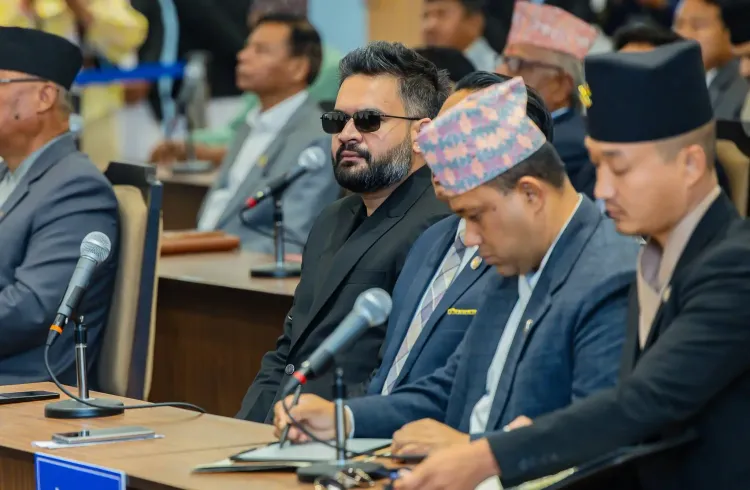
Kathmandu, March 2 (NationPress) The discussion surrounding the detention of former Prime Minister K P Sharma Oli and former Home Minister Ramesh Lekhak over the crackdown on Gen-Z protests from September last year stirred significant debate during the inaugural session of the federal parliament on Thursday, post the March 5 elections.
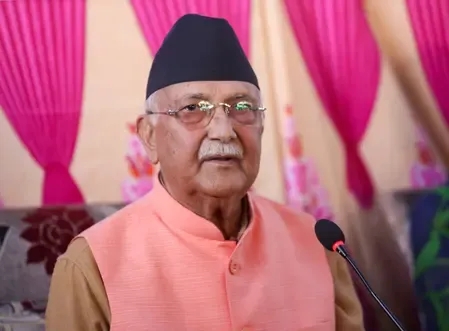
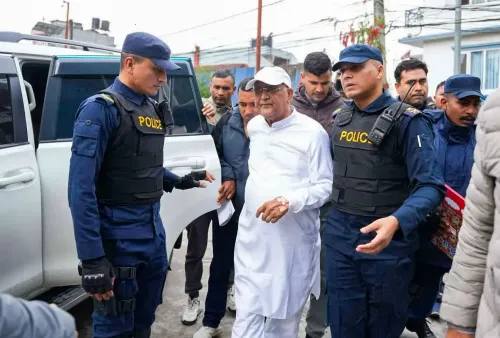
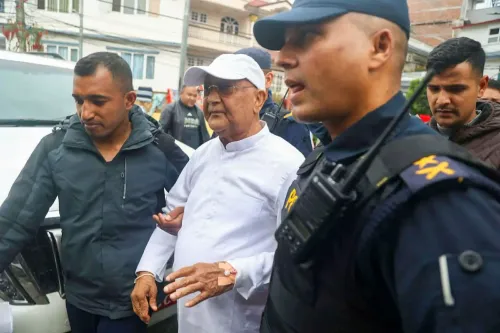
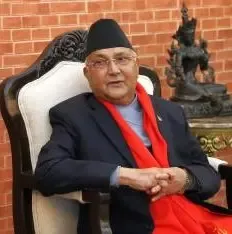
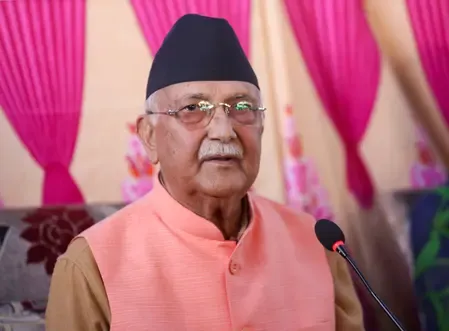
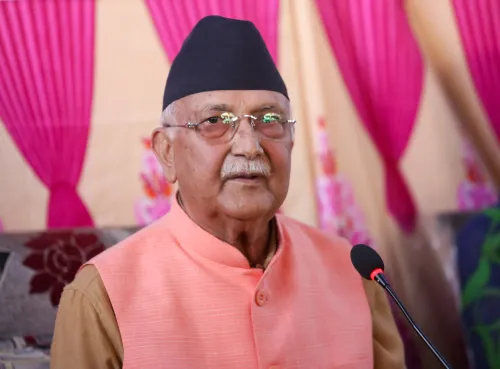
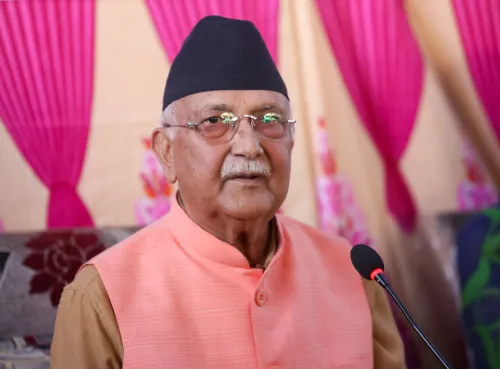
Oli, who leads the Communist Party of Nepal (Unified Marxist–Leninist, CPN-UML), and Lekhak, a prominent figure in the Nepali Congress, were taken into custody on March 28 concerning a culpable homicide case tied to the protest suppression that resulted in numerous fatalities. The unrest saw the tragic loss of 77 lives, alongside damages to public and private assets exceeding NPR 84 billion.
As members of the CPN-UML and Nepali Congress voiced their discontent over the arrests, Rabi Lamichhane, President of the ruling Rastriya Swatantra Party (RSP), staunchly defended the actions, asserting that they were a necessary step towards justice for the victims' families. "The mothers of the martyrs have the right to justice, and this shouldn't be viewed as revenge," Lamichhane stated.
Following the March 5 elections, the RSP emerged as the dominant party in the House of Representatives, claiming 182 out of 275 seats, while traditional political factions faced significant setbacks.
Lamichhane emphasized that despite the RSP's majority, there would be no vendetta against opposition parties. "No individual will receive preferential treatment based on their ideology henceforth," he asserted.
He acknowledged that previous legislative amendments had favored those in power and sought to implicate opposition figures. "These unjust practices will be rectified promptly; we will not harbor arrogance or seek revenge against opposition members," he remarked.
During the parliamentary session, leaders from CPN-UML condemned the arrests of Oli and Lekhak, labeling it as part of a wider conspiracy. Ram Bahadur Thapa 'Badal', Parliamentary Party leader of UML, challenged the legality of their arrests and hinted at a broader scheme.
Thapa also directed his criticism at the state apparatus—including the Nepal Army, bureaucracy, and the previous administration led by Sushila Karki—as well as the Barbara Foundation, a non-profit organization, alleging the use of misinformation and advanced propaganda techniques as contributing factors to the RSP's overwhelming success.
Nepali Congress legislator Bishma Raj Amdennge raised concerns about the integrity of the High-Level Commission, criticizing its silence regarding the September 9 incidents, during which extensive damage to property occurred. In the two-day protests on September 8 and 9, several lives were lost due to police actions, with protestors subsequently inflicting significant damage to various properties.
“What led to the burning of the Parliament building? How did Singha Durbar, the principal administrative hub of Nepal, end up in flames? Who is responsible for these acts?” he inquired, urging a detailed investigation into the events of September 8 and 9.
In the same session, RSP President Lamichhane extended an apology to the Dalit community for the historical discrimination they have endured.
“Today, I wish to address the Dalit community with a public apology. This government is making a collective and formal apology for the long-standing discrimination, injustice, and oppression,” he remarked. “On behalf of the entire party and the government, I apologize, assuring that this will translate into justice for the affected.”
Point of View
The arrests of K P Sharma Oli and Ramesh Lekhak have raised serious questions about justice and accountability within Nepal's governance. As the RSP asserts its dominance, the potential for a new political era emerges, but so do concerns over fairness and the treatment of opposition figures.
NationPress
15 Oct 2026
Frequently Asked Questions
What led to the arrest of K P Sharma Oli?
K P Sharma Oli was arrested in connection with a culpable homicide case related to the suppression of Gen-Z protests that occurred in September last year.
How many people died during the protests?
During the protests, a total of 77 individuals lost their lives due to the crackdown.
What is the stance of the RSP on opposition parties?
Rabi Lamichhane, President of the RSP, stated that despite their majority, the ruling party would not engage in revenge against opposition parties.
Who criticized the arrest of Oli and Lekhak?
Leaders from the CPN-UML and Nepali Congress criticized the arrests, suggesting they were part of a broader conspiracy.
What apology did Rabi Lamichhane make?
Rabi Lamichhane offered a public apology to the Dalit community for centuries of discrimination and injustice.