K.P. Sharma Oli's Arrest: A Test for Nepal's New Government
Synopsis
The arrest of former Nepal PM K.P. Sharma Oli raises questions about the new government's commitment to justice and transparency, as mixed reactions emerge from the public following the significant shooting incident in Kathmandu.
Key Takeaways
Sharma Oli and Ramesh Lekhak arrested for their roles in a deadly incident.
Public calls for transparency in the investigation process.
Concerns over selective justice and political motivations.
Comparative analysis with political situations in Bangladesh .
Promise of significant reforms from the new government.
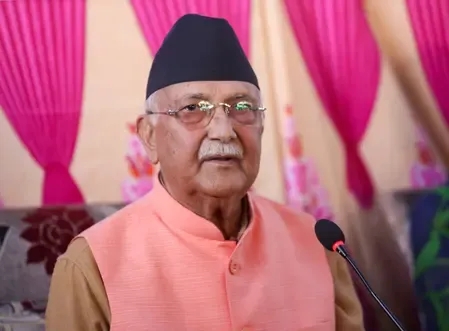
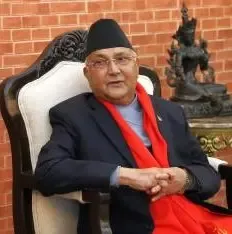
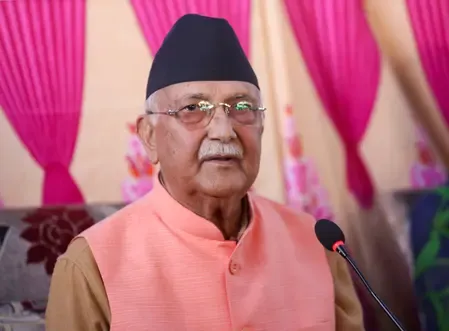
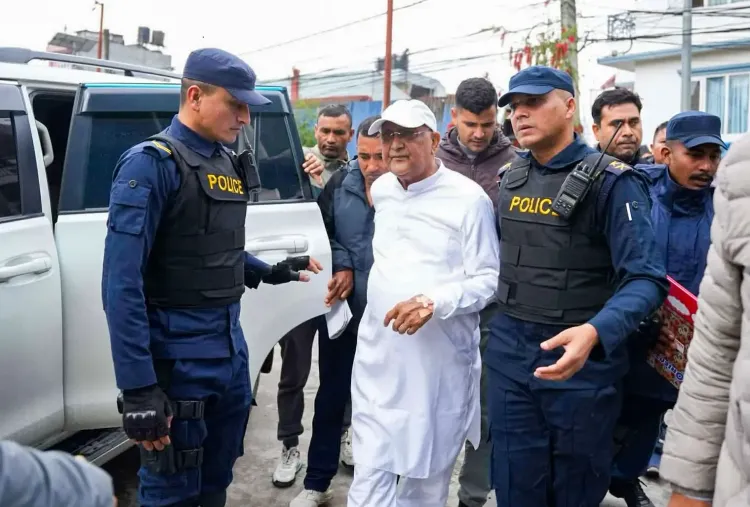
New Delhi, March 30 (NationPress) The recent arrest of former Nepal Prime Minister K.P. Sharma Oli along with his former colleague, ex-Home Minister Ramesh Lekhak, for their alleged involvement in the deadly September 2025 shooting in Kathmandu has sparked a wave of mixed reactions throughout the Himalayan nation regarding the government's actions and intentions.
Since a probe agency delivered its findings to the interim government on March 8, calls for transparency have intensified. The previous administration reportedly chose to postpone the release of the report, leaving the decision to the newly appointed Prime Minister and cabinet.
In the meantime, snippets from the extensive report, which spans nearly 1,000 pages, began to circulate in various media outlets in Nepal, compelling the interim government to contemplate its release just prior to the swearing-in of the new government.
However, The Kathmandu Post reported on Sunday that the investigative report leading to these arrests has not yet been disclosed to the public. The arrests appear to be selective, as other high-ranking security officials mentioned in the report have not faced similar consequences.
The article noted, “The appropriate course of action would have been to publicly share the report first, allowing the police to then pursue legal action against the two politicians. The rushed arrests have raised suspicions that the new government might exploit its supermajority to target political adversaries.”
Interestingly, both Nepal and Bangladesh recently witnessed the emergence of new democratically elected governments following youth-led protests against perceived misgovernance. However, the situations in the two countries diverged significantly, despite their geographical proximity to India.
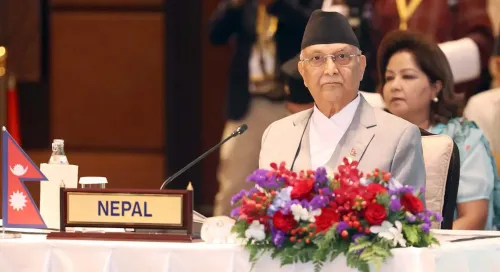
In Nepal, a fresh government was established following protests over alleged administrative failures. K.P. Sharma Oli, despite his ousting, participated in the electoral process but was defeated by the incumbent Balendra Shah. Conversely, in Bangladesh, former Prime Minister Sheikh Hasina fled the nation amid unrest and was later sentenced to death for alleged atrocities, with her party, the Awami League, now facing a ban on political activities.
While the article refrains from drawing direct comparisons, it advised caution for Nepal’s new leadership.
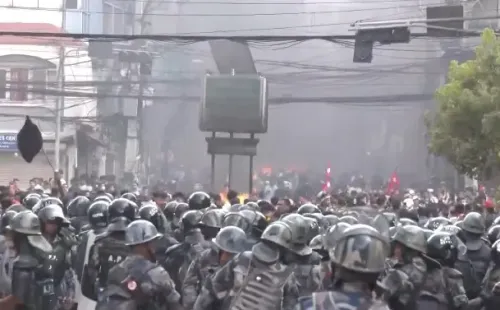
“We hope that the new government, which has garnered significant public expectations, will approach the situations involving Oli and Lekhak with greater prudence. This is crucial for providing justice to the families impacted by the Gen Z uprising, which is one of the justifications for the arrests. All individuals involved in the violent suppression of peaceful protests on September 8 last year must be held accountable,” it asserted.
“Nevertheless, if the government is perceived to be selectively prosecuting certain individuals while exonerating others implicated in suppressing the uprising, the legitimacy of the entire prosecution process and the delivery of justice to victim families—starting from the formation of the Gauri Bahadur Karki-led commission last year—will be called into question,” it emphasized.
While similar crackdowns by law enforcement in Bangladesh resulted in numerous protester fatalities, accompanied by mob violence and assaults on Awami League members and minority Hindus, no corresponding incidents of retaliatory violence have been reported in Nepal under the interim administration.
The article also highlighted the reform commitments of Nepal’s new government, featuring “a comprehensive 100-point reform agenda aimed at revitalizing the ailing economy and minimizing politicization within universities and bureaucratic structures.”
It concluded, “If even half of these promises are fulfilled, Nepal could become a significantly better place for living and working. Moreover, the new Shah administration appears determined to initiate impactful changes that the populace can feel immediately.”
“With its electoral mandate, the government has an opportunity to achieve remarkable progress for the nation. It must not squander this mandate by becoming entangled in avoidable distractions,” the piece asserted.
Point of View
I recognize the complexities surrounding the arrest of K.P. Sharma Oli. While ensuring justice is vital, the new government must navigate these waters carefully to maintain its integrity and public trust. The situation demands a balanced approach that addresses accountability without appearing politically motivated.
NationPress
10 Sept 2026
Frequently Asked Questions
Why was K.P. Sharma Oli arrested?
K.P. Sharma Oli was arrested for his alleged involvement in a deadly firing incident in September 2025, which left many casualties in Kathmandu.
What are the public reactions to the arrests?
Public reactions have been mixed, with concerns about selective justice and the new government's intentions regarding accountability.
What does the Gen Z uprising report entail?
The Gen Z uprising report, which spans nearly 1,000 pages, details the events surrounding the protests and the roles of various officials, including those now arrested.
How does this situation compare to Bangladesh?
Both Nepal and Bangladesh experienced youth-led protests leading to new governments, but the contexts and outcomes differed significantly.
What reforms is the new government promising?
The new government has proposed a 100-point reform agenda aimed at revitalizing the economy and reducing politicization in public institutions.