OpenAI engineer arrested for planting secret recorder in SF office
Synopsis
A Saudi engineer at OpenAI allegedly hid an encrypted recording device — wrapped in toilet paper — inside an executive conference room used for top-level AI research and government discussions. The FBI and Director of National Intelligence have both framed the arrest as a national security matter, raising urgent questions about insider threats at the heart of America's AI industry.
Key Takeaways
Abdulrahman Alfozan , 35 , a Saudi Arabian OpenAI engineer, was arrested on 9 October on federal charges of intercepting oral communications.
A concealed recording device was found on 30 September plugged into a USB port behind a TV in an executive conference room at OpenAI 's San Francisco offices.
A second similar device was reportedly found on 5 October inside a bag left by Alfozan elsewhere in the building.
The device's contents were encrypted ; the complaint does not establish that data was transmitted to a foreign government or that the Saudi government was involved.
FBI Director Kash Patel and Director of National Intelligence Jay Clayton both described the case as a national security matter.
Alfozan faces up to five years in prison and a $250,000 fine if convicted; a detention hearing is set for 19 October .
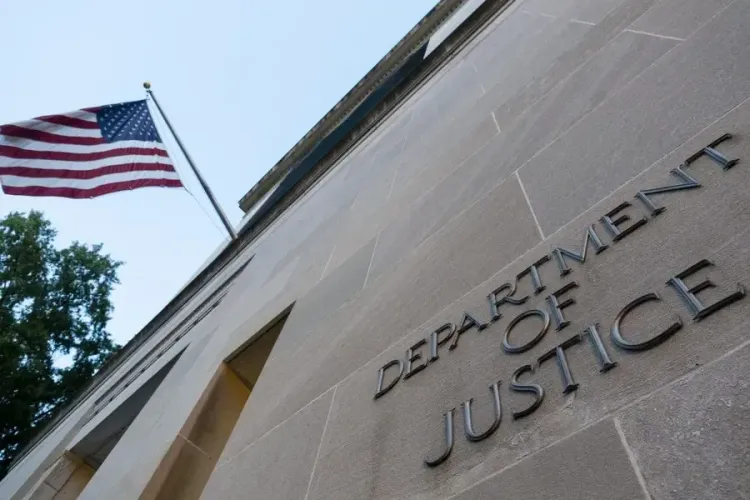
A Saudi Arabian engineer employed by OpenAI has been arrested on federal charges of allegedly planting a concealed audio recording device inside an executive conference room at the artificial intelligence company's San Francisco offices. Abdulrahman Alfozan, 35, was taken into custody on 9 October 2025 and made his first appearance in federal court on 13 October, according to the Justice Department.
What Investigators Found
On 30 September, OpenAI personnel discovered a recording device inserted into a USB port behind a television in an executive conference room. The device had reportedly been wrapped in toilet paper to avoid detection and was found to contain encrypted data. Investigators said it appeared to have been installed around 28 September.
Surveillance footage allegedly showed Alfozan in the vicinity of the restricted conference room on multiple occasions, despite having no authorisation to enter the room or attend meetings held there. On 5 October, footage purportedly showed him re-entering the room and inspecting the area behind the television where the first device had been found. That same day, OpenAI security personnel reportedly discovered a second similar device inside a bag Alfozan had left unattended elsewhere in the building.
Digital Trail and Search Queries
Investigators also examined digital activity allegedly linked to Alfozan. According to the complaint, he had used a productivity tool to search for information about OpenAI buildings, meeting rooms, executive locations, and external partner meetings.
A chatbot account associated with his spouse — which investigators said shared several identifiers with Alfozan's own account — had reportedly submitted queries about constructing, installing, and concealing recording equipment, as well as wireless connectivity, remote listening, and encryption. Federal authorities said the account had made inquiries specifically related to the device recovered from the conference room.
National Security Dimensions
The case has triggered heightened concern in Washington because the conference room was routinely used for discussions involving sensitive research, proprietary technology, business strategy, and the company's engagements with government agencies. Senior law enforcement and intelligence officials framed the prosecution in starkly national-security terms.
FBI Director Kash Patel said the investigation was about protecting sensitive American technology. 'Protecting American SI innovation is essential to safeguarding our nation's economic strength and national security,' Patel said, referring to super intelligence technology.
US Attorney Craig Missakian for the Northern District of California stated, 'For us it is a matter of national security.' Director of National Intelligence Jay Clayton also linked the case to Washington's broader effort to maintain American leadership in advanced artificial intelligence.
The Justice Department said the prosecution supports a national security presidential memorandum aimed at protecting American advances in super intelligence technology.
Charges and What Comes Next
Alfozan faces a federal charge of using or attempting to use an electronic device to intercept oral communications. If convicted, he faces a maximum prison sentence of five years and a fine of $250,000. He remains in federal custody and is scheduled to appear before US Magistrate Judge Alex G. Tse on 19 October for a detention hearing.
Notably, authorities have not publicly established that any information collected through the alleged recording device was transmitted to a foreign government. The complaint also does not allege that the Saudi government directed or participated in the conduct described.
The arrest marks one of the most high-profile insider security cases to emerge from Silicon Valley's AI sector, and is likely to intensify scrutiny of access controls and vetting procedures at top AI firms.
Point of View
Not national-security-grade vetting. The involvement of the FBI Director and the Director of National Intelligence in a single employee arrest signals that Washington views AI labs as critical infrastructure — even if the labs themselves have not always operated as such. Crucially, the complaint stops well short of establishing foreign government direction, which means the public narrative is currently running ahead of the proven facts. The real reckoning here is for OpenAI's physical and digital security architecture, not just for the individual charged.
NationPress
14 Oct 2026
Frequently Asked Questions
Who is Abdulrahman Alfozan and what is he accused of?
Abdulrahman Alfozan is a 35-year-old Saudi Arabian engineer who worked at OpenAI. He is accused of planting at least two concealed audio recording devices inside restricted areas of OpenAI's San Francisco offices and faces a federal charge of intercepting oral communications, which carries a maximum sentence of five years in prison.
What was recorded and was any data sent to a foreign government?
The device found in the executive conference room contained encrypted data. Authorities have not publicly established that the information was transmitted to a foreign government, and the complaint does not allege that the Saudi government directed or participated in the alleged conduct.
Why has the US government described this as a national security matter?
The conference room where the device was planted was regularly used for discussions on sensitive AI research, proprietary technology, product plans, and OpenAI's engagements with government agencies. FBI Director Kash Patel and Director of National Intelligence Jay Clayton both framed the case as part of broader efforts to protect American leadership in artificial intelligence.
What happens next in the case?
Alfozan remains in federal custody and is scheduled to appear before US Magistrate Judge Alex G. Tse on 19 October for a detention hearing. He was first charged on 9 October and made his initial court appearance on 13 October.
How was Alfozan allegedly connected to the devices?
Surveillance footage reportedly placed Alfozan near and inside the restricted conference room on multiple occasions without authorisation. Investigators also found that a chatbot account linked to his spouse — sharing identifiers with his own account — had searched for information on building, installing, and concealing recording equipment, as well as on the specific type of device recovered.