OpenAI's Sam Altman Backs Zero Data Retention for Businesses

Synopsis
OpenAI CEO Sam Altman announced zero-data-retention support for frontier models on 20 August 2026, directly addressing enterprise concerns about prompt-level data exposure amid tightening global AI privacy regulations.
Key Takeaways
OpenAI CEO Sam Altman publicly backed zero data retention for frontier models on 20 August 2026 .
Zero-retention means no prompt or response data is stored on OpenAI's servers after an API call completes.
OpenAI first introduced enterprise data-handling controls in 2023 with ChatGPT Enterprise , which excluded customer data from model training.
The move responds to corporate procurement requirements and tightening AI-specific privacy regulations in the EU , US , and other jurisdictions.
The frontier-model industry has broadly shifted toward tiered data regimes separating consumer and enterprise data handling.
Adoption rates for the zero-retention tier will be a key indicator of whether the announcement translates into enterprise market share.
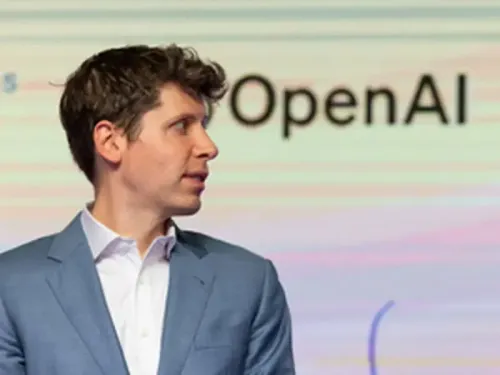
Enterprise clients have long worried that even a single prompt sent to an AI model could expose trade secrets. OpenAI chief executive Sam Altman signalled on Thursday, 20 August 2026 that the company is directly addressing that fear — announcing support for zero data retention on its frontier models.
Posting on X, Altman wrote simply: 'we support business privacy!' alongside a link to OpenAI's official announcement on zero-data-retention for frontier models. The brevity of the message belies its significance for enterprise procurement desks worldwide.
What Zero-Data Retention Actually Means for Enterprise Clients
For most businesses, the concern is not whether OpenAI trains on their data — the company addressed that with the 2023 launch of ChatGPT Enterprise, which explicitly excluded customer inputs from training pipelines. The deeper anxiety is retention itself: even data held temporarily for operational purposes can be subpoenaed, breached, or caught in regulatory crossfire. Zero-retention offerings eliminate that residual exposure. A prompt sent, a response received, and nothing logged on the provider's side. For legal firms, financial institutions, healthcare operators, and any enterprise handling commercially sensitive IP, that distinction is material.The Regulatory Pressure Driving the Shift
OpenAI does not operate in a vacuum. Across the European Union, United States state legislatures, and an expanding set of jurisdictions, AI-specific privacy rules are tightening. Corporate procurement teams — particularly in regulated sectors — have made data-handling guarantees a hard gate in vendor selection. The broader frontier-model industry has responded with tiered data regimes: consumer products on one track, enterprise APIs with progressively hardened controls on another. OpenAI's move fits squarely into that multi-year pattern, accelerating what competitors have also been building toward.Why Altman's Endorsement Carries Weight
A chief executive personally amplifying a product privacy feature is a deliberate signal to the market. It tells enterprise buyers — and regulators — that data protection is a strategic priority, not an afterthought buried in terms of service. For Indian enterprises evaluating AI adoption amid the country's evolving data-protection framework, the announcement adds a credible enterprise-grade option to the conversation. The next measure of success will be adoption: how many enterprise customers migrate to the zero-retention tier, and whether the move prompts OpenAI to pursue additional compliance certifications to match. The race for enterprise trust in AI is on — and today, OpenAI just moved the goalposts.Point of View
Winning regulated-sector contracts increasingly requires matching the compliance posture of established cloud vendors. OpenAI is essentially telling the enterprise market that it intends to compete on trust, not just performance.
NationPress
5 Oct 2026
Frequently Asked Questions
What is zero data retention in OpenAI's frontier models?
Zero data retention means OpenAI does not store any prompt or response data after an API call is completed, ensuring no residual exposure of sensitive business information on OpenAI's servers.
Does OpenAI use business data to train its AI models?
No. Since the launch of ChatGPT Enterprise in 2023, OpenAI has explicitly stated that data from enterprise and API customers is not used to train its models.
Why is Sam Altman's zero data retention announcement important for Indian businesses?
Indian enterprises evaluating AI tools under the country's evolving data-protection framework now have a verifiable enterprise-grade privacy option, making OpenAI's API services easier to clear through corporate and regulatory procurement gates.
Which industries benefit most from OpenAI's zero-retention policy?
Legal firms, financial institutions, healthcare operators, and any enterprise handling commercially sensitive intellectual property stand to benefit most, as these sectors face strict data-handling regulations.
How does OpenAI's zero-retention policy compare to what other AI companies offer?
The broader frontier-model industry has been building tiered data regimes for enterprise clients, so OpenAI's move aligns with an industry-wide shift rather than being a standalone innovation — though CEO-level endorsement signals a stronger strategic commitment.