Reza Pahlavi: A New Hope for Democracy in Iran After Military Strikes
Synopsis
In a pivotal moment for Iran, exiled Crown Prince Reza Pahlavi expresses optimism for a democratic transition following recent military strikes. He emphasizes the importance of Iranian citizens in shaping their political future and outlines key principles for a democratic government.
Key Takeaways
Reza Pahlavi sees a unique opportunity for democratic transition in Iran.
The transition will be guided by principles of integrity, equality, and democracy.
Preparations are in motion through the Iran Prosperity Project (IPP) .
Pahlavi advocates for dismantling the military nuclear program to rebuild trust.
The future leadership of Iran should be determined solely by its citizens.
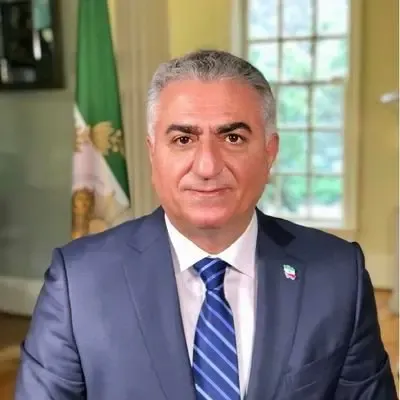
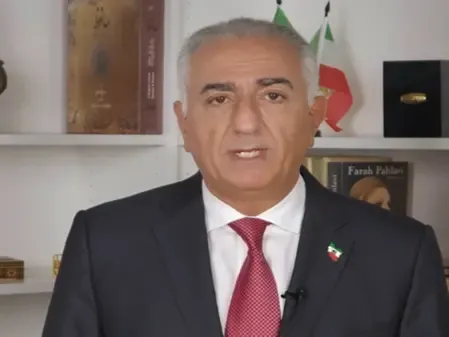
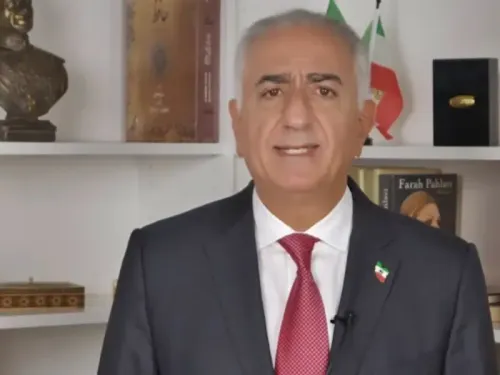
Washington, March 8 (NationPress) Following a week of military strikes by the US and Israel that significantly weakened Iran's military and leadership, Iran’s exiled Crown Prince Reza Pahlavi has indicated that the nation might be on the verge of a pivotal change. In an interview with CBS’s 60 Minutes, he remarked, “this is our opportunity now,” and detailed his vision for a democratic transition after enduring decades of clerical governance.
In discussions with CBS’s 60 Minutes and the All-In Podcast, Pahlavi identified what he perceives as a unique chance for Iranians to regain authority over their political future, following almost fifty years under the Islamic Republic.
Having left Iran at the tender age of 17 during the 1979 revolution, he envisions his role as not a future monarch but as a transitional leader who will facilitate the country’s journey toward democratic elections.
“My emphasis is on the process, not the end result,” he stated on the All-In Podcast, asserting that the Iranian populace must ultimately determine their form of government.
Pahlavi disclosed that preparations are already in progress via a strategic initiative dubbed the Iran Prosperity Project (IPP), a framework crafted by economists, legal specialists, and policy advisors to plan for a future beyond the current regime.
“I established an organization called IPP… with its primary focus on the initial 100 days, aiming to stabilize the situation in Iran immediately,” Pahlavi shared during the All-In Podcast.
He articulated that the transition would adhere to four fundamental principles: safeguarding Iran’s territorial integrity, maintaining a clear separation between religion and the state, ensuring legal equality for all citizens, and fostering a democratic political framework.
“First and foremost is protecting Iran’s territorial integrity. Secondly, the distinct separation of religion from state… thirdly, ensuring equality before the law for all citizens… and the democratic process itself,” he elaborated during his interview with CBS’s 60 Minutes.
Furthermore, he stated that a future democratic administration should dismantle Iran’s military nuclear program to rebuild international confidence and lift the sanctions that have burdened the Iranian economy.
“I believe it should be completely dismantled,” Pahlavi asserted in his CBS interview, emphasizing that Iran has “no necessity to pursue a militarized nuclear program.”
Pahlavi speculated that a reformed Iran could alter regional geopolitics and economic prospects significantly.
“Iran represents one of the most untapped economic potentials of the 21st century,” he mentioned on the All-In Podcast, highlighting the country’s ability to draw substantial international investment during reconstruction.
He also underscored that the choice of Iran’s future leaders must rest exclusively with its citizens, free from external influence.
“The authority to select future leaders belongs solely to the Iranian populace,” Pahlavi affirmed during his All-In Podcast interview.
When asked about his potential return to Iran after years in exile, Pahlavi expressed his eagerness to return as soon as conditions permit.
“I hope to be there as soon as possible to contribute to this process,” he stated on the All-In Podcast.
Born in Tehran in 1960, Pahlavi has been in exile since the Iranian Revolution, which replaced the monarchy with an Islamic republic. Throughout the years, he has remained a significant figure among opposition factions and segments of the Iranian diaspora advocating for a secular and democratic system.
Point of View
It is crucial to recognize the significance of Pahlavi's statements amidst the current geopolitical climate. The potential for democratic change in Iran is a matter of national interest, and the voices of the Iranian people must be prioritized in discussions about their future.
NationPress
19 Sept 2026
Frequently Asked Questions
What are the main principles of Pahlavi's proposed transition?
Pahlavi emphasizes four key principles: protecting Iran’s territorial integrity, separating religion from the state, ensuring legal equality for all citizens, and establishing a democratic political system.
What is the Iran Prosperity Project?
The Iran Prosperity Project (IPP) is a strategic framework developed by economists and policy experts to prepare for a post-regime scenario and stabilize the situation in Iran.
What role does Pahlavi see for himself in Iran's future?
Pahlavi envisions himself not as a future ruler but as a transitional figure guiding the country towards democratic elections.
What does Pahlavi believe about Iran's nuclear program?
He believes that Iran's military nuclear program should be completely dismantled to rebuild international trust and lift sanctions.
Will Pahlavi return to Iran?
Pahlavi has expressed his desire to return to Iran as soon as conditions allow.