Pakistan IRF Roundtable flags blasphemy law misuse, forced conversions of minorities
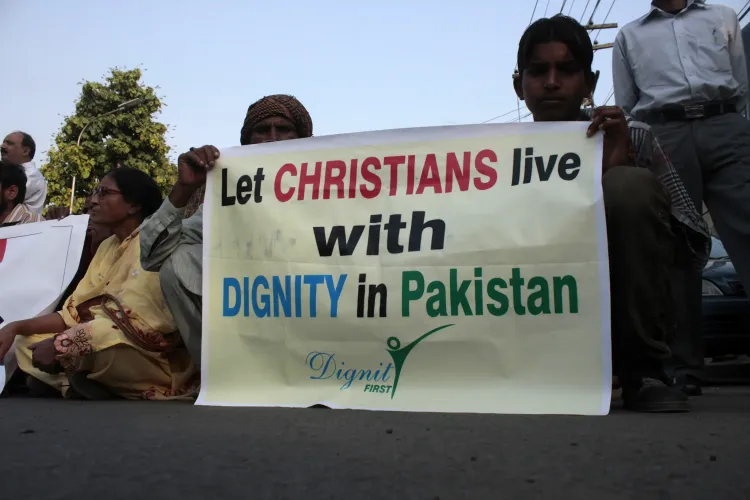
Synopsis
Pakistan's own faith leaders and human rights advocates are now publicly calling out a system that criminalises minority belief, enables forced marriages, and weaponises blasphemy laws for extortion — even as Parliament passes minority-rights bills that remain largely unenforced on the ground.
Key Takeaways
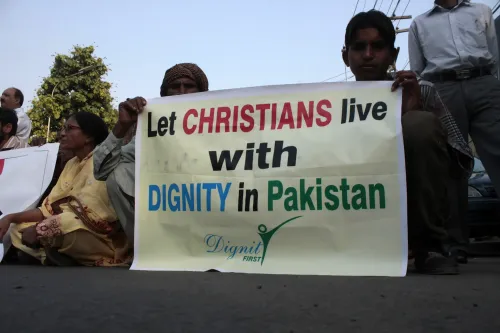
The IRF Roundtable Pakistan held a consultation in Islamabad on 5 May , flagging religious discrimination against Christians, Hindus, and Sikhs .
Hundreds of individuals have reportedly been falsely accused under Pakistan's blasphemy laws through blackmail and extortion, according to participants.
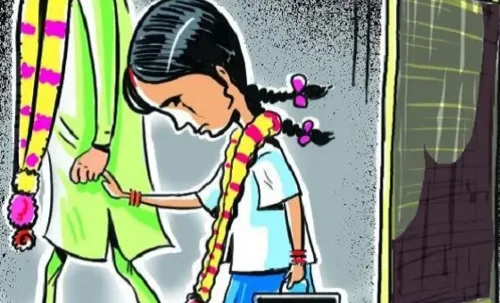
International experts warned of widespread kidnapping and forced religious conversion through marriage targeting minority women and girls.
Pakistan's Parliament passed the National Commission for Minorities Rights Bill 2025 , but participants stressed enforcement remains inadequate.
Kashif Mirza and Anila Ali of the IRF Roundtable demanded legal accountability and an end to the culture of impunity enabling these abuses.
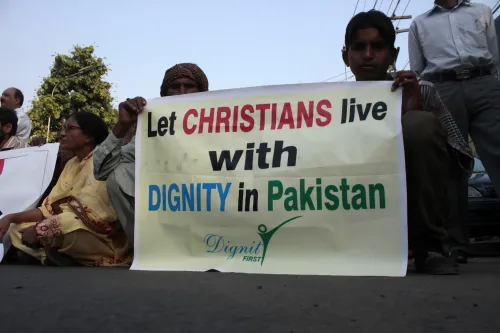
The International Religious Freedom (IRF) Roundtable Pakistan held a consultation in Islamabad on 5 May, where faith leaders, human rights advocates, journalists, and civil society representatives raised alarm over entrenched patterns of religious discrimination, misuse of blasphemy laws, forced conversions, forced marriages, and the systematic targeting of minority women and children.
Key Concerns Raised at the Consultation
Participants reviewed the current status of religious minorities across Pakistan, calling for stronger legal protections for Christians, Hindus, Sikhs, and other minority communities. The consultation's findings were subsequently reported by the Illinois-based legal news platform National Law Review.
Kashif Mirza, a Karachi-based internationally recognised human rights activist and Pakistan Director of the IRF Roundtable, underscored the gravity of the situation.
Point of View
But the IRF Roundtable consultation exposes the yawning gap between legislative intent and ground reality — a gap that has persisted for decades. The weaponisation of blasphemy laws for personal vendettas is well-documented, yet prosecutions of false accusers remain vanishingly rare. Forced conversions of minority girls, often formalised through coerced marriages, represent a structural failure that no single bill can fix without robust enforcement mechanisms, judicial independence, and political will. The international community's continued designation of Pakistan as a religious freedom concern is not merely diplomatic pressure — it reflects a pattern that Pakistan's own civil society is now amplifying from within.
NationPress
19 Sept 2026
Frequently Asked Questions
What is the IRF Roundtable Pakistan and what did it discuss?
The IRF Roundtable Pakistan is a multi-faith platform of faith leaders, human rights advocates, and civil society representatives. At its 5 May consultation in Islamabad, it raised concerns over blasphemy law misuse, forced conversions, forced marriages, and the targeting of minority women and children in Pakistan.
Why are Pakistan's blasphemy laws considered problematic?
Participants at the consultation reported that hundreds of individuals have been falsely accused under Pakistan's blasphemy laws through blackmail, intimidation, and extortion. Critics argue the laws are frequently weaponised to settle personal disputes rather than address genuine religious offences.
What legislative steps has Pakistan taken to protect minorities?
Pakistan's Parliament passed the National Commission for Minorities Rights Bill 2025, and minority-rights and communal-property protection bills were introduced in Punjab. However, IRF Roundtable participants stressed that legislation must be meaningfully implemented and enforced to have real impact.
Who are the minority communities most affected by religious discrimination in Pakistan?
According to the consultation, Christians, Hindus, and Sikhs are among the communities most affected. Women and girls from these communities are particularly vulnerable to forced conversions and forced marriages, according to international religious freedom experts cited at the event.
What did IRF Roundtable co-chair Anila Ali demand?
Anila Ali demanded urgent government action to end forced conversions and forced marriages, urging Pakistan to protect minority girls, hold perpetrators accountable, and ensure the law does not reward abduction, coercion, or abuse.