PTI talks collapse: Pakistan weighs emergency rule in KP as violence looms
Synopsis
Pakistan's political crisis has reached a flashpoint: with PTI talks collapsed, Islamabad is weighing emergency rule in KP even as security forces fight the TTP on the same terrain. Intelligence officials are warning of imminent violence — and some within the establishment are calling the army's approach an ego-driven miscalculation that could backfire catastrophically.
Key Takeaways
Negotiations between PTI and the Pakistan federal government have broken down over the political situation in Khyber Pakhtunkhwa (KP) .
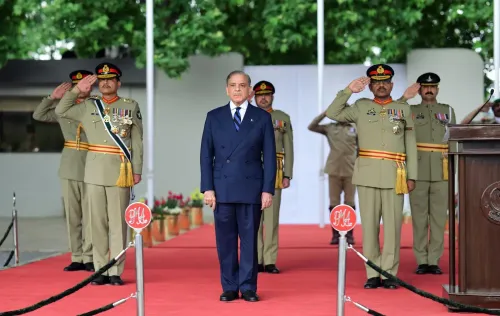
President Zardari , PM Shehbaz Sharif , and army chief Field Marshal Asim Munir have been briefed; all reportedly oppose conceding to PTI demands.
Islamabad is weighing emergency rule or governor's rule in KP, either of which would likely trigger mass protests and violence.
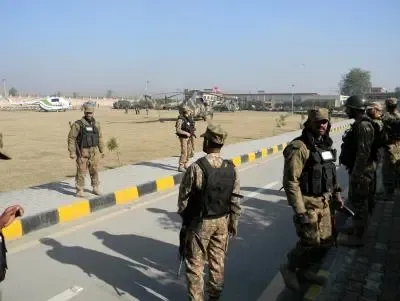
Security forces are simultaneously engaged in combat operations against the Tehreek-e-Taliban Pakistan (TTP) , stretching their capacity.
An Intelligence Bureau official warned that any 'misadventure in KP' at this stage would have 'a disastrous effect' on both the region and the establishment.
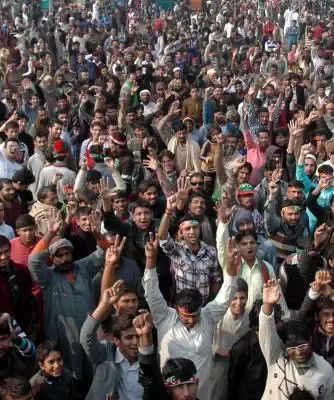
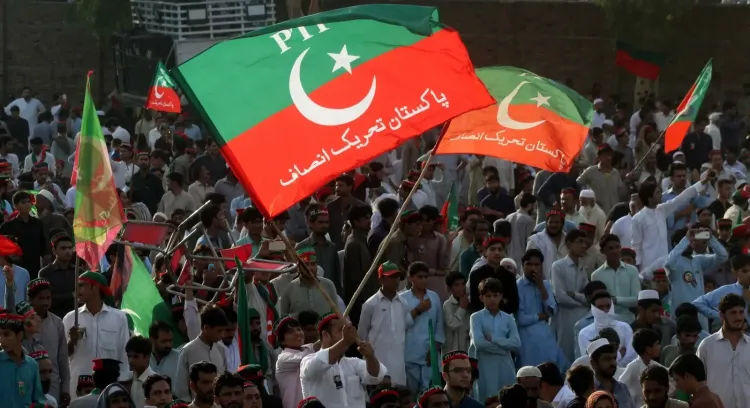
PTI is expected to proceed with its planned long march , raising the risk of a direct confrontation with federal security forces.
Security forces in Khyber Pakhtunkhwa (KP) are bracing for a possible escalation in violence after negotiations between Pakistan Tehreek-e-Insaf (PTI) and the federal government in Islamabad broke down, with Pakistani authorities now weighing the imposition of emergency or governor's rule in the restive province. The collapse of talks has set the stage for a high-stakes confrontation between the Imran Khan-led party and Pakistan's ruling establishment.
Talks Collapse and Federal Response
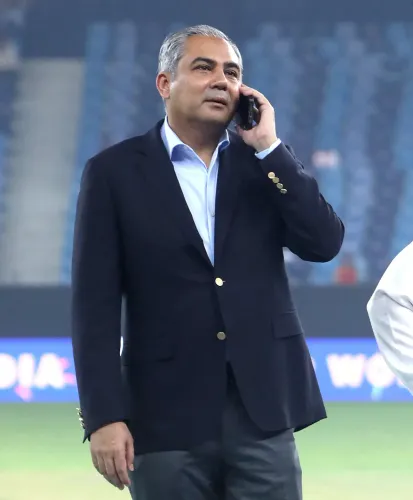
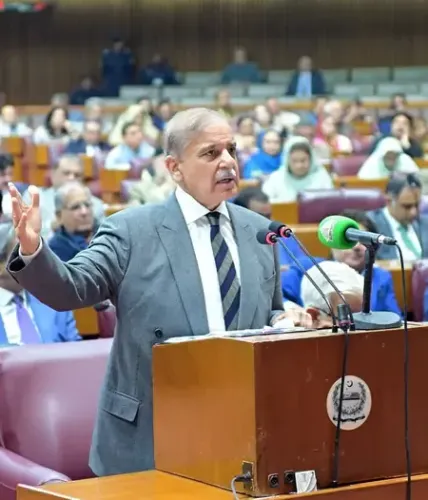
Federal Minister Mohsin Naqvi held a meeting with the governor of KP to assess the deteriorating situation, following which he briefed President Asif Ali Zardari, Prime Minister Shehbaz Sharif, and army chief Field Marshal Asim Munir. According to an official familiar with the discussions, all three principals are aligned on a single position: the establishment will not yield to PTI's demands. 'All are of the opinion that the establishment should not give in to the demands that the PTI is making,' the official was quoted as saying.
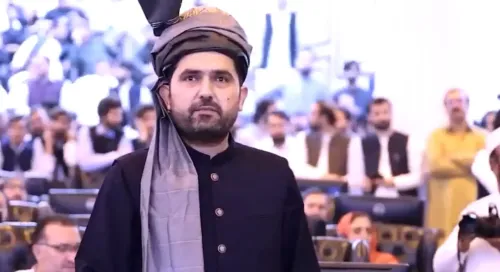
The federal government has accused KP Chief Minister Sohail Afridi of non-cooperation, with officials reportedly giving him an ultimatum: stand down or face removal. A further round of talks with Afridi is expected before any constitutional measure is formally invoked.
Emergency Rule or Governor's Rule on the Table
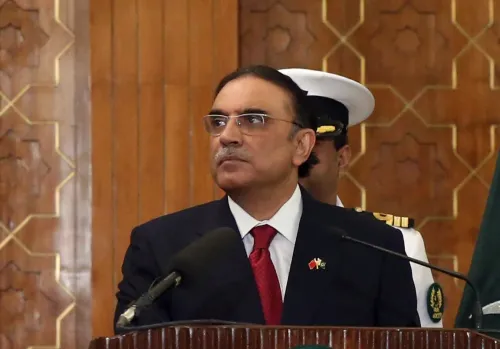
President Zardari is said to favour invoking constitutional provisions to resolve the standoff — a path that leads to either emergency rule or the imposition of governor's rule in KP. Either step would almost certainly face fierce resistance from PTI, with officials warning it could trigger widespread protests and fresh violence across the province. Intelligence assessments reviewed by officials reportedly describe violence as imminent, with both sides showing no signs of retreat.
PTI's Long March and the Pressure Points
At the heart of the political crisis is a planned long march by the PTI, which the Pakistan government has characterised as a deliberate attempt to destabilise the country. The party, whose founder Imran Khan remains in detention, has consistently accused the federal government of proposing solutions that are unworkable and of acting in bad faith. PTI is widely expected to proceed with the march regardless of the federal posture, raising the likelihood of a direct confrontation with security forces.
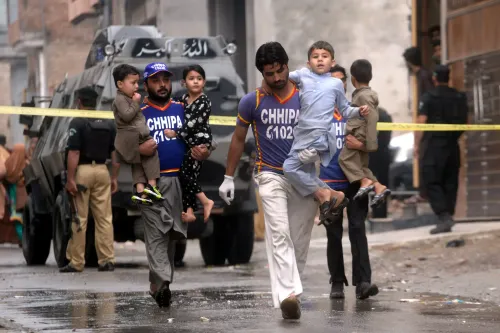
Notably, the PTI's political challenge comes at precisely the moment when Pakistan's security machinery in KP is already under severe strain from an intensifying conflict with the Tehreek-e-Taliban Pakistan (TTP). Officials warn that managing simultaneous TTP operations and PTI-led mass protests could overwhelm provincial and federal security apparatus alike.
Intelligence Warnings and Internal Dissent
The assessments from within Pakistan's own security and intelligence community are stark. An Intelligence Bureau official, speaking on condition of anonymity, described the army's approach as having become 'an ego issue'. 'The battle is against Imran Khan, who has been in jail indefinitely. Asim Munir wants the PTI finished as he realises that the party does pose a challenge to the establishment. However, any misadventure in KP at a time when the situation is fluid will have a disastrous effect on the people of the region and the Pakistan establishment too,' the official said.
A separate official described the federal approach as 'playing with fire', arguing that the government is 'more interested in destroying the PTI rather than trying to address the real issues that are being raised.' Such candid internal assessments are unusual and reflect the depth of concern within Pakistan's own administrative machinery over the trajectory of the crisis.
What Happens Next
The coming weeks are likely to be decisive. The federal government is expected to make one final approach to Chief Minister Afridi before announcing any constitutional intervention. Should that fail, emergency or governor's rule in KP would set off a chain of events that analysts say could further destabilise an already fragile security environment — particularly given the active TTP campaign running in parallel. With neither side showing willingness to compromise, the risk of a prolonged and violent standoff in Khyber Pakhtunkhwa is, according to official assessments, growing by the day.
Point of View
Islamabad has backed itself into a corner where every available option — emergency rule, governor's rule, brute force against a long march — carries serious blowback risk. The simultaneous TTP campaign makes the timing particularly reckless: overstretching security forces across a political and militant front simultaneously is not a strategy, it is a gamble. The candid warnings emanating from within Pakistan's own intelligence machinery are a signal that the institutional consensus behind the crackdown is narrower than the army's posture suggests.
NationPress
5 Oct 2026
Frequently Asked Questions
Why have PTI and Pakistan government talks collapsed?
Talks broke down because the federal government and the military establishment refused to concede to PTI's demands, while PTI accused Islamabad of offering unworkable solutions. The federal government has also accused KP Chief Minister Sohail Afridi of non-cooperation, further deadlocking the negotiations.
What is Pakistan considering doing in Khyber Pakhtunkhwa?
Pakistan is weighing the imposition of emergency rule or governor's rule in KP, constitutional measures favoured by President Asif Ali Zardari. Either step would likely face fierce resistance from PTI and could set off widespread protests and violence across the province.
What is the PTI long march and why is it significant?
The PTI long march is a planned mass protest mobilisation through Pakistan being organised by the Imran Khan-led party. The federal government has labelled it a destabilisation attempt; PTI is expected to proceed regardless of the political climate, raising the prospect of a direct clash with security forces.
How does the TTP conflict complicate the KP political crisis?
Security forces in KP are simultaneously engaged in active combat operations against the Tehreek-e-Taliban Pakistan (TTP). Officials warn that managing both a militant insurgency and large-scale PTI-led protests at the same time risks overwhelming the provincial and federal security apparatus.
What are officials saying about the risks of imposing emergency in KP?
Officials and intelligence assessors within Pakistan have warned that any constitutional intervention in KP at this stage would be 'counterproductive' and could trigger 'disastrous' consequences for both the region's people and the establishment itself. An Intelligence Bureau official was quoted calling the army's approach 'an ego issue' that could backfire.