Pakistan drone attacks expose military's security myth: Stringer Asia report
Synopsis
At least 60 quadcopter attacks have struck Pakistan's tribal regions in 2026, killing 36 and wounding 178 — and a Stringer Asia report argues this undeclared drone war is the direct product of the military establishment's own decades-long proxy strategy. With provincial police admittedly lacking counter-drone technology, the institution that built the conflict is now its most prominent casualty.
Key Takeaways
At least 60 quadcopter attacks recorded in Pakistan's tribal regions since January 2026 , with 36 fatalities and 178+ wounded .
In the first 12 days of July 2026 alone, 10 attacks were reported, killing 9 and injuring 51 .
Khyber Pakhtunkhwa police chief Zulfiqar Hameed admitted in March 2025 that police lacked counter-quadcopter technology.
Militants reportedly possess American-origin weapons and drones, according to the police chief's own acknowledgement.
A Stringer Asia report argues the drone insurgency is a direct consequence of Pakistan's military establishment arming and then abandoning proxy groups over decades.
No independent investigation into civilian casualties has been conducted, and no officer has been prosecuted, according to the report.
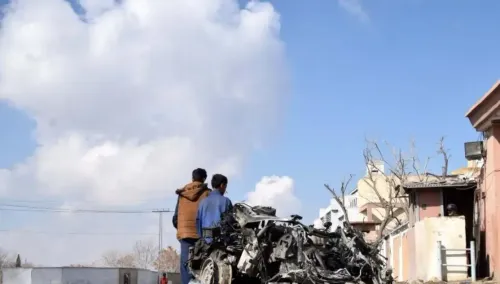
A surge in quadcopter attacks across Khyber Pakhtunkhwa and Balochistan is systematically dismantling the Pakistani military establishment's long-held claim that its dominance guarantees national security, according to a report by Stringer Asia published on 2 August 2026. The findings lay bare a deepening insurgency in which cheap commercial drones have become the weapon of choice against state targets — with civilians bearing the heaviest cost.
Scale of the Drone Offensive
In the first twelve days of July 2026 alone, at least ten quadcopter attacks were recorded, leaving nine people dead and 51 injured, according to the Stringer Asia report. Since January 2026, Pakistan's tribal regions have logged at least 60 such incidents, resulting in 36 fatalities and more than 178 wounded.
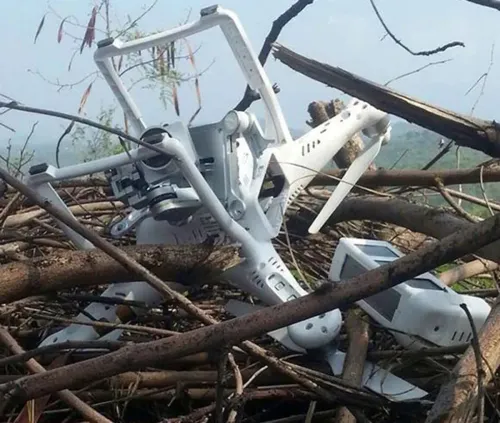
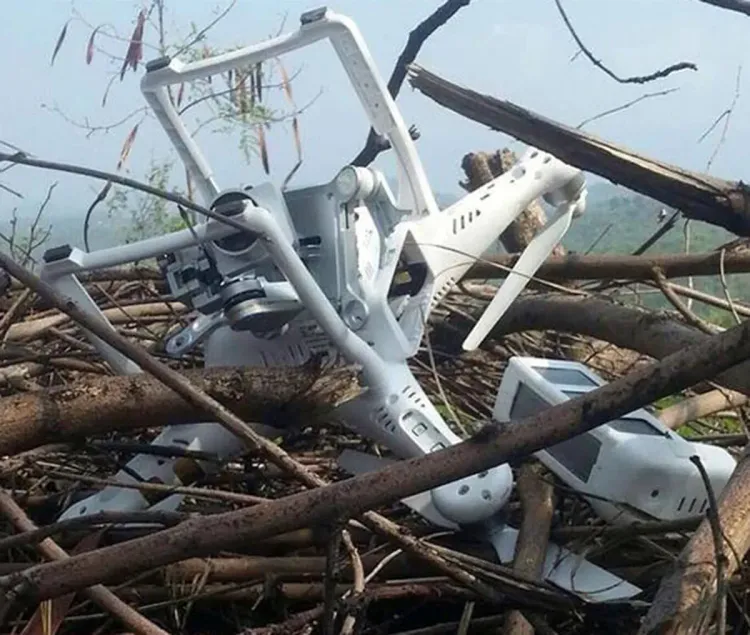
The technology's rapid spread is attributed to its cost-effectiveness and accessibility. Consumer-grade quadcopters — available for purchase online, modified in local workshops — are being used to carry small explosives, conduct reconnaissance on troop movements, and strike checkpoints and police installations.
The State's Pattern of Denial
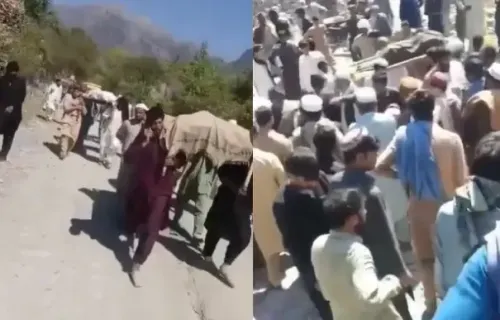
The report draws a sharp portrait of institutional unaccountability. 'Civilians are killed. Local communities accuse the state. The state denies involvement. No independent investigation follows. No chain of command is examined. No officer is prosecuted. No family receives an explanation,' the Stringer Asia report stated.
Critics argue that Pakistan's military has, over decades, manufactured the very environment in which this insurgency now thrives — arming militant organisations, categorising them as useful or hostile based on foreign-policy convenience, and tolerating sanctuaries when they served strategic objectives. The report contends that the quadcopter is 'merely the latest instrument in a conflict created by the same institution now presenting itself as its victim.'
Security Forces Caught Underprepared
Khyber Pakhtunkhwa police chief Zulfiqar Hameed acknowledged in March 2025 that militants possessed modern equipment — including American-origin weapons and drones — while provincial police lacked adequate counter-quadcopter technology. The admission, the report noted, was extraordinary: after decades of counterterrorism funding, military operations, and international assistance, frontline law enforcement was confronting inexpensive commercial drones without the means to stop them.
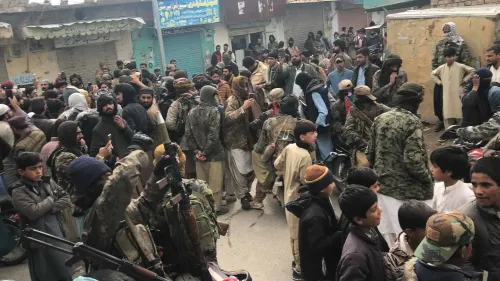
Militants have exploited this gap, deploying quadcopters against police stations and security installations while, according to the report, the state responds by bombing suspected hideouts — a cycle in which civilians are consistently caught in the crossfire.
A Conflict of the Establishment's Own Making
The Stringer Asia analysis argues that the drone war is not merely a tactical evolution but a structural symptom. The report contends that Pakistan's security establishment spent decades arming proxies, controlling access to conflict zones, intimidating journalists, and criminalising dissent — and now points to the absence of independently verified evidence as proof of its innocence in civilian casualties.
'The quadcopter war is therefore not simply a tactical evolution. It is the perfect symbol of the Pakistani regime: inexpensive violence descending from above, ambiguous chains of responsibility, civilians trapped between militants and the Army, and a state that demands unlimited authority while refusing to account for its failures,' the report concluded.
What to Watch
With at least 60 drone incidents recorded in under eight months and no credible counter-drone framework in place at the provincial level, analysts will be watching whether the Pakistani military escalates operations in tribal areas or moves toward any form of independent accountability mechanism — neither of which appears imminent, according to the report.
Point of View
The cycle of unverifiable violence the report describes will only deepen.
NationPress
17 Sept 2026
Frequently Asked Questions
How many drone attacks have occurred in Pakistan in 2026?
At least 60 quadcopter attacks have been recorded in Pakistan's tribal regions since January 2026, resulting in 36 deaths and more than 178 injuries, according to a Stringer Asia report. In the first 12 days of July 2026 alone, 10 attacks were reported.
Which regions of Pakistan are most affected by drone attacks?
Khyber Pakhtunkhwa and Balochistan are the primary affected regions, according to the Stringer Asia report. These provinces' tribal areas have borne the brunt of quadcopter-based militant attacks on police stations and security installations.
Why are militants using consumer drones in Pakistan?
Consumer quadcopters are cheap, widely available online, and easily modified to carry small explosives, making them an accessible weapon for militants. The Stringer Asia report notes that Pakistan's provincial police lacked adequate counter-drone technology as of March 2025, creating a significant vulnerability.
What did Khyber Pakhtunkhwa's police chief say about drone threats?
KP police chief Zulfiqar Hameed acknowledged in March 2025 that militants possessed modern equipment including American-origin weapons and drones, while police lacked the technology to counter them. The admission came despite decades of counterterrorism funding and international assistance.
What does the Stringer Asia report conclude about Pakistan's military?
The report argues that Pakistan's military establishment created the conditions for the current drone insurgency by arming militant proxies over decades, then abandoning them when inconvenient. It also criticises the military for controlling access to conflict zones and denying accountability for civilian casualties.