Balochistan violence surge: 176 attacks, 438 dead in July 2026
Synopsis
Balochistan's July 2026 death toll of 438 — from 176 attacks — has made it Pakistan's deadliest province, overtaking Khyber Pakhtunkhwa for the first time. With the TTP now clashing against ex-Afghan Army factions rearmed on Pakistani soil, the conflict has moved beyond a bilateral separatist insurgency into a multi-front crisis with direct links to the Afghan Taliban's cross-border agenda.
Key Takeaways
Balochistan recorded 176 terrorist attacks in July 2026 , killing 438 people , including 127 Pakistani security personnel .
Between January and July 2026 , the province logged 765 violent incidents and 1,600 fatalities — surpassing Khyber Pakhtunkhwa's 574 attacks and 1,196 casualties.
Former Afghan National Army (ANA) personnel have reportedly been rearming in Balochistan's Pashtun-majority areas, drawing TTP attacks reportedly directed by the Afghan Taliban .
The report in The Diplomat criticises Islamabad for pursuing a militarised counterinsurgency while dismissing enforced disappearances and blocking peaceful Baloch political activism.
Data sourced from the South Asia Terrorism Portal's open-source database.
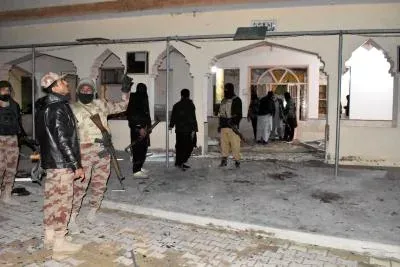
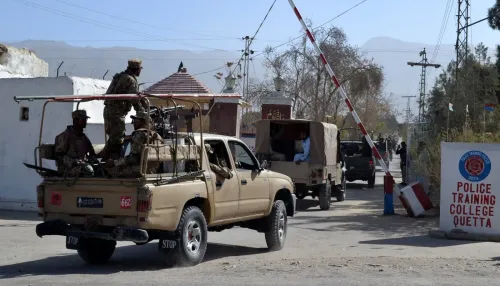
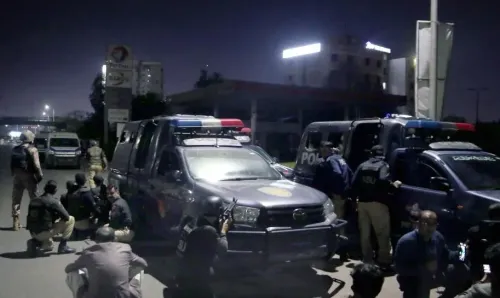
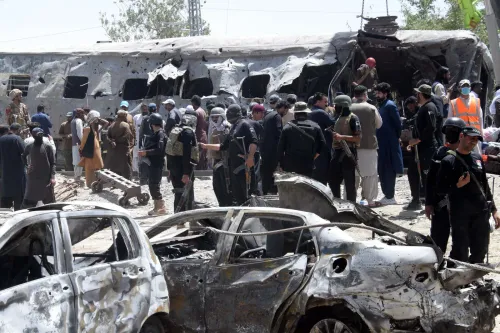
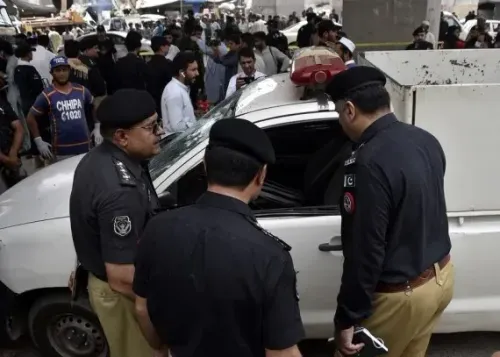
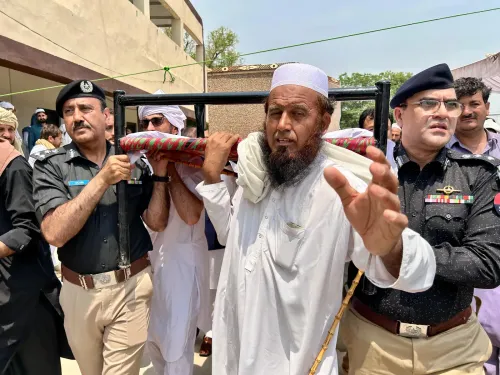
Balochistan recorded an unprecedented spike in violence in July 2026, with 176 terrorist attacks killing 438 people — including 127 Pakistani security personnel — making it the deadliest month in the province this year, according to a report in The Diplomat citing the South Asia Terrorism Portal's open-source database. The attacks ranged from suicide bombings and complex ambushes to coordinated assaults and drone strikes.
Balochistan Overtakes Khyber Pakhtunkhwa as Pakistan's Most Volatile Province
The scale of July's violence pushed Balochistan past Khyber Pakhtunkhwa (KPK) as Pakistan's most conflict-ridden region. In KPK, 143 violent incidents caused 244 casualties during the same month — significantly lower than Balochistan's toll.
The divergence is even starker over a longer horizon. Between January and July 2026, Balochistan recorded 765 violent incidents and 1,600 fatalities, compared with 574 attacks and 1,196 casualties in KPK over the same period, according to the report.
TTP, Ex-Afghan Army Personnel Add a New Flashpoint
Beyond the longstanding Baloch separatist insurgency, the report highlights a dangerous new layer of conflict in Balochistan's Pashtun-majority areas. Former personnel of the Afghan National Army (ANA) have reportedly been reorganising and rearming in the province, using residential compounds that once served as bases for the Taliban's Quetta Shura.
The Afghan Taliban have reportedly tasked the Tehreek-e-Taliban Pakistan (TTP) to counter this ex-ANA presence. Clashes between the TTP and former ANA factions have caused casualties among Pashtun civilians, triggering protests from local tribes demanding justice and security from the Pakistani state.
The report notes the irony that Pakistan's own decision to arm and finance ex-ANA elements — reportedly to relaunch an anti-Taliban campaign in Afghanistan — has contributed to the violence now destabilising its own territory.
Islamabad's Militarised Approach Under Scrutiny
The report is sharply critical of Islamabad's counterinsurgency posture in Balochistan. Pakistani authorities have pursued a heavily militarised strategy while reportedly dismissing concerns over enforced disappearances and opposing peaceful Baloch activism for political, economic, and constitutional rights.
The lack of any meaningful push toward a political solution, the report argues, has compounded the deteriorating security environment. This assessment aligns with longstanding criticism from human rights organisations, which have documented enforced disappearances and extrajudicial measures in the province over many years.
A Worsening Regional Security Equation
The report frames the violence as the product of both internal dynamics and external pressures reshaping Balochistan's security landscape. The province sits at the intersection of Pakistan's fraught relationship with the Afghan Taliban, the unresolved Baloch separatist conflict, and the spillover of militant networks across porous borders.
With violence data trending upward through the first seven months of 2026 and no political dialogue in sight, analysts warn that the conditions for further escalation remain firmly in place.
Point of View
But the more consequential revelation is structural: Balochistan is no longer a single-axis conflict. Pakistan's reported arming of ex-ANA factions to pressure the Afghan Taliban has created a blowback loop — the TTP is now fighting those same factions on Pakistani soil, with Pashtun civilians caught in between. Islamabad's refusal to pursue a political settlement with Baloch groups, while simultaneously importing a new militant flashpoint, suggests a security establishment that is generating threats faster than it can contain them. The province's overtaking of KPK as Pakistan's most volatile region is not an aberration — it is the logical outcome of a strategy that has consistently prioritised military suppression over political engagement.
NationPress
23 Sept 2026
Frequently Asked Questions
How many people were killed in Balochistan in July 2026?
According to a report in The Diplomat citing the South Asia Terrorism Portal, 438 people were killed in Balochistan in July 2026, including 127 Pakistani security personnel , across 176 terrorist attacks . It was described as the most violent month in the province this year.
Is Balochistan now more violent than Khyber Pakhtunkhwa?
Yes, according to the report. Between January and July 2026, Balochistan recorded 765 violent incidents and 1,600 fatalities , compared with 574 attacks and 1,196 casualties in Khyber Pakhtunkhwa over the same period, making Balochistan Pakistan's most volatile province.
What role are former Afghan National Army personnel playing in Balochistan?
Former Afghan National Army (ANA) personnel have reportedly been reorganising and rearming in Balochistan's Pashtun-majority areas, reportedly with Pakistani backing, to relaunch an anti-Taliban campaign in Afghanistan. The Afghan Taliban have reportedly tasked the TTP to counter them, triggering clashes that have killed Pashtun civilians.
What is Pakistan's counterinsurgency approach in Balochistan?
According to the report in The Diplomat, Islamabad has pursued a heavily militarised counterinsurgency strategy in Balochistan while dismissing concerns over enforced disappearances and opposing peaceful Baloch political and constitutional activism. The report argues this approach has deepened the security crisis rather than resolved it.
What is the source of the Balochistan violence data?
The figures cited — including attack counts and fatality numbers — are drawn from the South Asia Terrorism Portal's open-source database, as referenced in a report published by The Diplomat in August 2026.