Pakistan FBR revenue shortfall hits Rs 684 billion in 10 months

Synopsis
Pakistan's tax authority has missed its collection target by nearly Rs 684 billion in just 10 months — and the reasons go far deeper than trade disruptions. With agriculture, real estate, and the professional class largely outside the formal tax net, and the IMF watching closely, this is less a bureaucratic slip and more a political crisis decades in the making.
Key Takeaways
Pakistan's FBR recorded a revenue shortfall of nearly Rs 684 billion in the first 10 months of the current financial year.
The FBR fell behind targets from the start of the financial year despite aggressive taxation of salaried workers and formal businesses.
The agency partly attributed the gap to trade disruptions linked to the Middle East conflict , but economic observers say structural failures are the primary cause.
Powerful sectors — including agriculture , real estate , and wholesale retail — remain largely outside the formal tax net.
The crisis compounds existing pressures from inflation , debt obligations , and ongoing IMF scrutiny , threatening Pakistan's fiscal programme commitments.
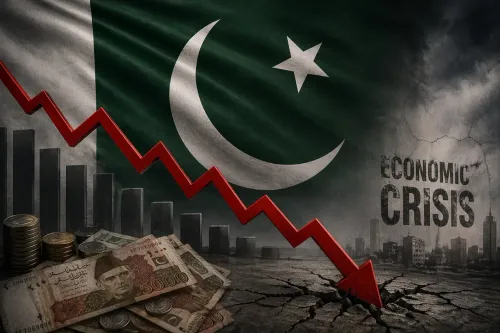
Pakistan's Federal Board of Revenue (FBR) has recorded a revenue shortfall of nearly Rs 684 billion during the first 10 months of the current financial year, deepening concerns over the country's already fragile economic footing. The gap, one of the largest in recent memory, has intensified scrutiny of an institution long criticised for structural inefficiency and an inability to broaden the tax base.
Scale of the Shortfall
The FBR fell behind its collection targets from the very start of the financial year, according to reports and editorials published in Dawn. This occurred despite aggressive taxation measures imposed on salaried individuals and formal-sector businesses — a pattern that critics argue has shifted the burden onto compliant taxpayers while leaving large swathes of the economy untouched.
The agency has attributed part of the shortfall to disruptions in trade flows linked to the Middle East conflict, which reportedly affected import-related taxes and excise duties. However, economic observers note that external factors alone cannot account for a persistent failure to meet revenue targets year after year.
Structural Failures at the FBR
Successive governments in Pakistan have announced waves of reform at the FBR — from digitisation drives and organisational restructuring to stricter enforcement campaigns. Yet the institution's reputation for inefficiency has remained largely intact. Business groups, tax experts, and economists continue to accuse the agency of over-relying on a narrow base of compliant taxpayers rather than expanding the formal tax net.
Notably, powerful sectors including agriculture, wholesale retail, real estate, and segments of the professional class reportedly continue to enjoy limited taxation despite contributing significantly to economic activity. This structural imbalance has made salaried workers and formal businesses bear some of the highest effective tax burdens in Pakistan's recent history.
Broader Economic and Political Dimensions
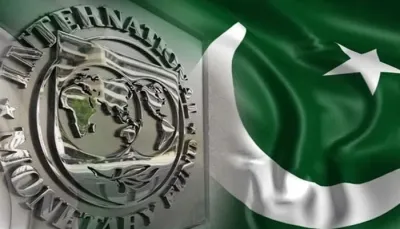
The revenue crisis does not exist in isolation. Pakistan is simultaneously grappling with persistent inflation, mounting debt obligations, and repeated scrutiny from the International Monetary Fund (IMF). Economists and journalists in Pakistan increasingly characterise the FBR's failures as not merely administrative but as a political problem — rooted in decades of avoidance and compromise that have protected influential economic interests at the expense of fiscal stability.
'As Pakistan struggles with inflation, debt obligations and repeated International Monetary Fund scrutiny, the revenue crisis has become far more than a bureaucratic failure. It now sits at the centre of the country's broader economic instability,' according to reports citing the situation.
What Happens Next
With the financial year drawing to a close, the shortfall is unlikely to be bridged, raising questions about Pakistan's ability to meet IMF programme conditions and service its debt commitments. Any further slippage could complicate ongoing negotiations with international creditors and add pressure on the Pakistani rupee. Analysts say meaningful reform at the FBR — particularly expanding the tax base to include undertaxed sectors — remains the only credible long-term fix, but political will to pursue it has historically been in short supply.
Point of View
Yet the tax net has barely widened. The real story is political: agriculture, real estate, and influential professional classes remain shielded from meaningful taxation, leaving salaried workers and formal businesses to carry a disproportionate load. Until that political calculus changes, no digitisation drive or restructuring exercise will close the gap. The IMF knows this, and so does Islamabad — the question is whether external pressure will finally force what domestic accountability has not.
NationPress
24 Sept 2026
Frequently Asked Questions
What is Pakistan's FBR revenue shortfall for the current financial year?
Pakistan's Federal Board of Revenue has recorded a shortfall of nearly Rs 684 billion during the first 10 months of the current financial year. This is one of the largest revenue gaps in recent years and has intensified concerns about the country's fiscal stability.
Why did the FBR miss its revenue targets?
The FBR has cited trade disruptions linked to the Middle East conflict as a contributing factor, affecting import duties and excise collections. However, economic observers argue the deeper causes are structural — an over-reliance on salaried workers and formal businesses while large, politically influential sectors remain undertaxed.
Which sectors in Pakistan are largely outside the tax net?
Agriculture, wholesale retail, real estate, and segments of the professional class reportedly contribute significantly to economic activity but face limited taxation. Critics argue this structural imbalance is a primary driver of the FBR's persistent revenue shortfalls.
How does this shortfall affect Pakistan's IMF programme?
The revenue gap complicates Pakistan's ability to meet fiscal conditions tied to its IMF programme. Any further slippage could strain negotiations with international creditors and add pressure on the Pakistani rupee, according to analysts.
Has Pakistan attempted FBR reform before?
Yes, successive governments have announced multiple rounds of reform at the FBR, including digitisation campaigns, organisational restructuring, and stricter enforcement. Despite these efforts, the institution's reputation for inefficiency and its narrow tax base have remained largely unchanged.