Pakistan losing grip on Balochistan, Khyber Pakhtunkhwa amid artillery, airstrikes: Report
Synopsis
A new report by The North Lines argues Pakistan is losing administrative and security control in Balochistan and Khyber Pakhtunkhwa — evidenced by artillery and air power used against civilian protesters, over 600 civilian deaths this year, and the killing of two children in Panjgur allegedly by a military-operated quadcopter. The Baloch Yakjehti Committee has called it 'collective punishment.'
Key Takeaways
A report by The North Lines says Pakistan is losing state control in Balochistan and Khyber Pakhtunkhwa , citing use of artillery and air power against civilian protesters.
Over 600 civilians and more than 1,000 Pakistani security personnel have been killed in terrorist-related incidents in 2026 , according to South Asia Terrorism Portal .
Two children were killed and three injured in Gowargo tehsil, Panjgur on Tuesday; locals allege a Pakistani military quadcopter carried the explosive.
Human rights body Baloch Yakjehti Committee (BYC) condemned the Panjgur bombing as 'collective punishment and state terrorism.' Civil unrest has also spread to Pakistan-occupied Jammu and Kashmir (PoJK) , with communications reportedly suspended and videos of security forces firing on civilians circulating on social media.
Pakistan has faced criticism over these actions at the United Nations forums in Geneva and New York .
Pakistan's deployment of artillery and air power against its own citizens in Balochistan and Khyber Pakhtunkhwa — who are holding protests against the current government — is a sign that Islamabad considers residents of these regions as 'enemies' and that the state is steadily losing control, according to a detailed report published by The North Lines.
State Force Against Civilian Protesters
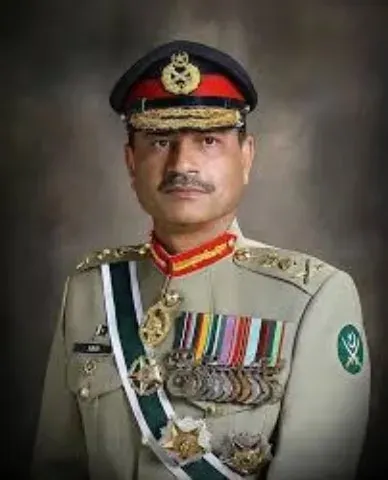
The report quotes Pakistan Army chief General Asim Munir as having 'put up a brave face and mouthed blusters against Baloch dissenters,' while authorising the use of heavy military hardware against civilians engaged in protest. The analysis draws from this to identify two concurrent realities: that residents of these provinces are being treated as adversaries by their own state, and that Islamabad is struggling to maintain administrative and security control.
According to the report, thousands of Baloch people have been killed in what it describes as extrajudicial operations, with numbers cross-referenced against figures cited by Pakistan's Director General of Inter-Services Public Relations (DGISPR) on 'terrorist' casualties. Authorities have also reportedly arrested peaceful demonstrators seeking accountability for alleged random killings.
Scale of the Security Crisis
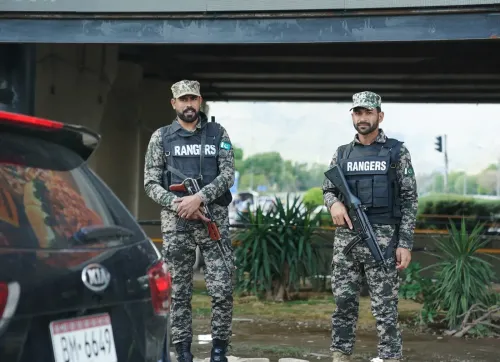
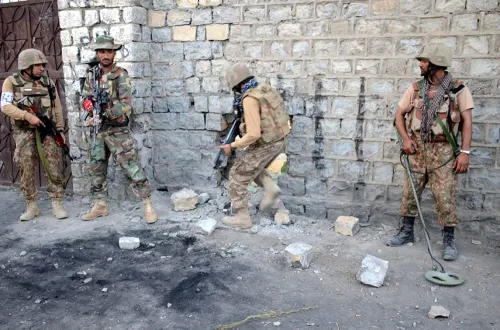
Pakistan's security situation in these two provinces has deteriorated significantly in 2026. According to South Asia Terrorism Portal data cited in the report, more than 600 civilians and over 1,000 Pakistani security personnel have been killed in terrorist-related incidents this year alone. The report notes that Pakistan Army units reportedly fear large-scale troop movements in several parts of Khyber Pakhtunkhwa and Balochistan — a tactical vulnerability that analysts say underscores the gravity of the situation.
'Additional security forces have been inducted as if powers that be are aware that it is a matter of time when peaceful protests can transform into an armed resistance,' the report stated. 'Everyday happenings continue to embarrass the army who call shots in Pakistan.'
Children Killed in Panjgur — BYC Condemns Bombing
On Wednesday, 8 October 2026, human rights organisation Baloch Yakjehti Committee (BYC) condemned what it described as a bombing by Pakistani forces in Panjgur district of Balochistan. The BYC called it another 'horrific example of the ongoing collective punishment and state terrorism against civilians across the province.'
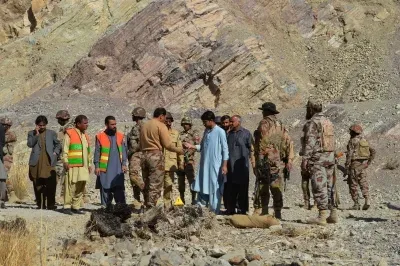
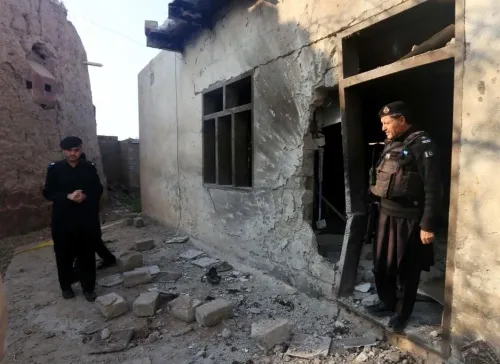
The statement followed a reported incident on Tuesday, in which two children were killed and three others were injured in an explosion in Gowargo tehsil of Panjgur. Local residents alleged that explosives mounted on a quadcopter operated by Pakistani forces caused the blast, though this has not been independently verified.
Unrest Spreads to Pakistan-Occupied Jammu and Kashmir
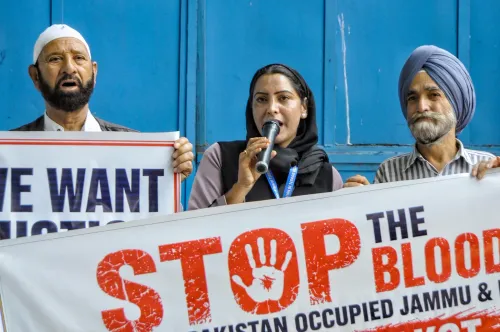
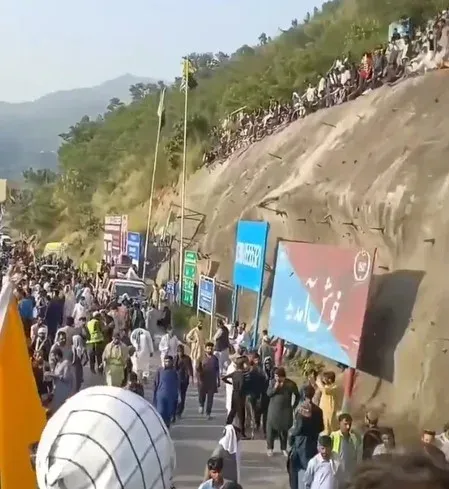
The civil unrest is not confined to Balochistan and Khyber Pakhtunkhwa. Pakistan has also reportedly been facing civil disobedience in Pakistan-occupied Jammu and Kashmir (PoJK). In recent months, communications were reportedly suspended in PoJK, and videos purportedly showing Pakistani security personnel firing on civilians in Rawalakot and other areas circulated widely on social media.
International Scrutiny Mounts
Pakistan has faced growing criticism over its actions at international forums, including the United Nations headquarters in Geneva and New York, according to the report. The pattern of using military force against protesting populations, extrajudicial killings, and communications blackouts has drawn sustained attention from human rights bodies, though Islamabad has consistently contested allegations of systematic abuse.
With the security and political situation in Pakistan's western and northwestern provinces continuing to deteriorate, the trajectory of these developments — and whether diplomatic pressure translates into any policy shift in Islamabad — will be closely watched in the weeks ahead.
Point of View
Air power, quadcopter-borne explosives used against civilian populations, followed by communications blackouts and mass arrests of protesters — is not the conduct of a state confident in its legitimacy over these territories. What is striking is that the numbers Islamabad itself has released on 'terrorist' casualties, when cross-read with civilian death tolls, effectively indict its own counterinsurgency doctrine. The spread of civil unrest to PoJK adds a further dimension that is politically sensitive well beyond Pakistan's borders. International forums have noted the trend, but verbal criticism has not altered Islamabad's calculus — raising the question of whether economic leverage or multilateral mechanisms will ever be applied with enough force to matter.
NationPress
8 Oct 2026
Frequently Asked Questions
Why is Pakistan using artillery and air power against its own citizens?
According to a report by The North Lines, Pakistan Army chief General Asim Munir authorised the use of artillery and air power against civilians in Balochistan and Khyber Pakhtunkhwa who are protesting against the current government. The report argues this reflects Islamabad treating residents of these regions as enemies rather than citizens, and signals a loss of state control.
How many people have been killed in Pakistan's western provinces in 2026?
According to South Asia Terrorism Portal data cited in the report, more than 600 civilians and over 1,000 Pakistani security personnel have been killed in terrorist-related incidents in 2026. Thousands of Baloch people have also reportedly been killed in extrajudicial operations over a longer period.
What happened in Panjgur, Balochistan on 7 October 2026?
Two children were killed and three others were injured in an explosion in Gowargo tehsil of Panjgur district. Local residents alleged that explosives fitted to a quadcopter operated by Pakistani forces caused the blast, though this has not been independently verified. The Baloch Yakjehti Committee condemned the incident as state terrorism.
What is the Baloch Yakjehti Committee (BYC) and what has it said?
The Baloch Yakjehti Committee (BYC) is a human rights organisation that advocates for Baloch civilians. On 8 October 2026, it condemned the Panjgur bombing, calling it a 'horrific example of the ongoing collective punishment and state terrorism against civilians across the province.'
Is Pakistan-occupied Jammu and Kashmir also affected by unrest?
Yes. According to the report, Pakistan has also been facing civil disobedience in Pakistan-occupied Jammu and Kashmir (PoJK). Communications were reportedly suspended in recent months, and videos purportedly showing Pakistani security forces firing on civilians in Rawalakot and other areas circulated on social media.