Report: Western media underreports PoK atrocities amid geopolitical bias
Synopsis
A detailed report charges that Western newsrooms and policy institutes have systematically ignored Pakistani security forces' killings in PoK, Balochistan, and KP — not by accident, but because Pakistan's strategic utility to the West has long outweighed its victims' right to coverage. With bodies allegedly being removed from hospitals in Rawalakot and Mirpur, the report argues the silence is not a lapse but a structural choice.
Key Takeaways
A report published by Firstpost on 1 August accuses Western media of systematically underreporting state violence in Pakistan-occupied Kashmir (PoK) , Balochistan , and Khyber Pakhtunkhwa .
Civilians in Rawalakot , Mirpur , and Kotli have reportedly been killed by Pakistani security forces , with paramilitary personnel allegedly removing bodies from hospitals to conceal casualties.
The report criticises prominent Western newsrooms for extensive coverage of India's NEET protests while largely ignoring civilian deaths in PoK.
Pakistan 's status as a major non-NATO ally is cited as a key reason Western governments and media have tolerated Islamabad's internal repression.
The report describes Pakistan as a classic 'rentier state' whose military elite sustains itself through external strategic rents rather than domestic productivity.
Policy institutes in Washington , London , Paris , Berlin , and Brussels are accused of consistently overlooking Pakistan's pattern of internal coercion.
A detailed report has accused Western newsrooms of systematically underreporting state violence in Pakistan-occupied Kashmir (PoK), Balochistan, and Khyber Pakhtunkhwa, arguing that editorial priorities in major global capitals have consistently mirrored the foreign policy interests of their respective governments rather than the ground realities faced by civilians. The report, published by Firstpost, was released on 1 August and draws attention to what it describes as a deliberate information blackout around Pakistani security forces' actions in PoK.
Killings in PoK and the Silence That Followed
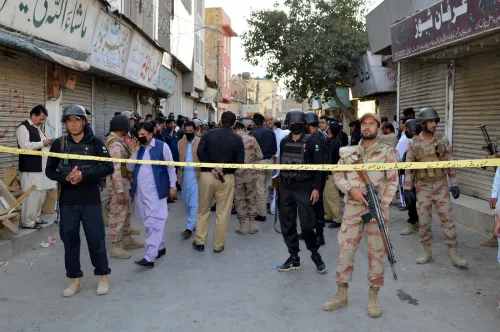
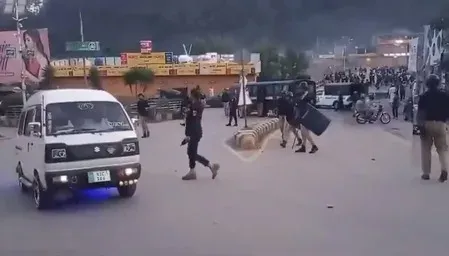
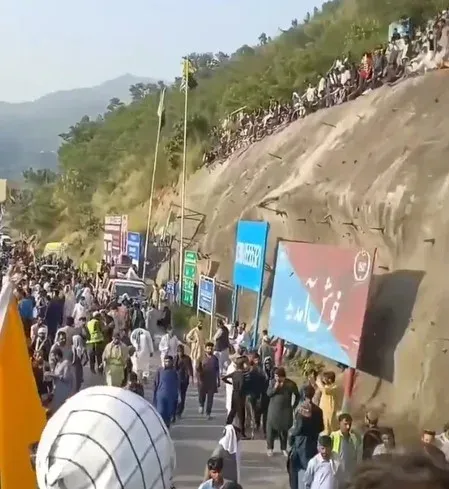
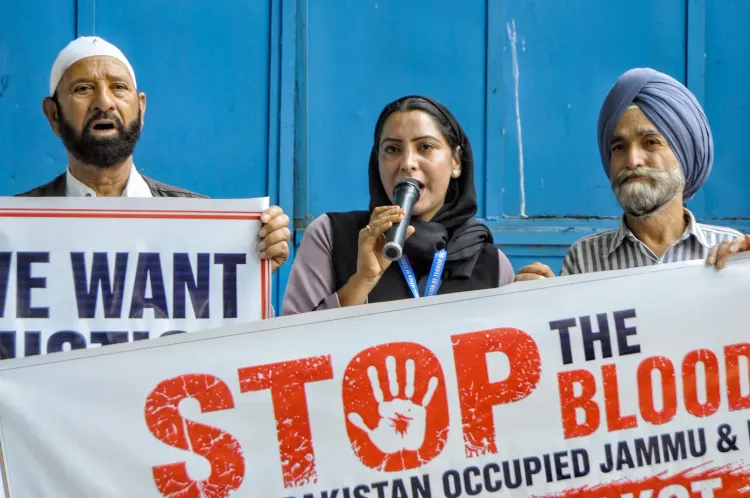
According to the report, demonstrators in towns such as Rawalakot, Mirpur, and Kotli in PoK have been killed by Pakistani security forces in the run-up to what were described as 'elections' in the region. In a particularly alarming detail, the report states that paramilitary personnel have allegedly been removing bodies from hospitals in an apparent attempt to conceal what it terms a 'massacre'. The victims, the report notes, have received virtually no international solidarity.
'For the past few days, we have all been witness to the horrific images and video clips on social media emerging from places such as Rawalakot, Mirpur and Kotli in Pakistan-occupied Kashmir, where, in the run-up to the elections, a profound constitutional and humanitarian crisis is unfolding behind a wall of state-imposed censorship while the world offers a resigned shrug,' the report stated.
Western Media Accused of Selective Coverage
The report reserves sharp criticism for prominent Western newsrooms, alleging that their coverage of state-sponsored killings in the Himalayan region has been 'insipid, perfunctory and even devious.' It specifically contrasts what it describes as 'breathless, wall-to-wall coverage' of NEET-related youth protests in India with near-total silence on civilian casualties at the hands of Pakistani security forces.
'Some of the world's most notable newsrooms have shown little concern for the dozens and dozens of civilians who have fallen to the bullets of Pakistani security forces,' the report added. This selective attention, it argues, is not accidental but structurally embedded in how Western policy and media ecosystems treat Pakistan — primarily as a nuclear-armed rival of India rather than as a state with a documented pattern of internal coercion.
Pakistan as a 'Rentier State': The Geopolitical Calculus
The report attributes the international blind eye to Pakistan's enduring strategic utility to the West. It notes that Pakistan's designation as a major non-NATO ally has long suited the strategic calculus of the United States and its partners, who have reportedly preferred that Islamabad remain a 'highly centralised garrison state' rather than a fully functioning democracy.
'As a classic rentier state, Pakistan's military and ruling elite derive institutional dominance and financial sustenance not from internal resources, taxation or industrial productivity, but from external rents generated by leasing its strategic geography and security apparatus to foreign patrons,' the report stated. This arrangement, it argues, has allowed Islamabad to suppress dissent in Balochistan, Waziristan, and PoK with minimal international pushback.
Policy Institutes in Washington, London, and Brussels Under Scrutiny
Beyond newsrooms, the report singles out policy institutes in Washington, London, Paris, Berlin, and Brussels for consistently turning a blind eye to what it characterises as Islamabad's pattern of internal coercion. It attributes this to Pakistan's hedging strategy and its readiness to serve as a strategic asset for the highest bidder in global power contests.
The report argues that each time Pakistan's security apparatus has deployed state violence to suppress domestic dissent — from Balochistan and Waziristan to Islamabad and PoK — Western media and policymakers have largely prioritised the military establishment's strategic utility over democratic accountability. Pakistan's domestic repression, the report contends, has long been treated as an acceptable 'structural cost' of broader geopolitical interests.
What This Means for the Broader Narrative
The report's findings arrive at a moment of heightened scrutiny over how global media covers conflict in South Asia. Critics argue that the asymmetry in coverage — extensive on India, muted on Pakistan's internal violence — distorts international understanding of the region's human rights landscape. Whether Western newsrooms and policy circles recalibrate their approach to PoK and Balochistan in light of such analyses remains to be seen.
Point of View
Which the report gestures at but does not fully press, is whether the selective outrage of global newsrooms on South Asian conflicts is a media failure or a policy feature.
NationPress
16 Sept 2026
Frequently Asked Questions
What does the report say about Western media coverage of PoK?
The report accuses major Western newsrooms of providing 'insipid, perfunctory and even devious' coverage of state-sponsored killings in Pakistan-occupied Kashmir, contrasting it with extensive coverage of protests in India. It argues this reflects a deliberate editorial alignment with the foreign policy interests of Western governments rather than journalistic independence.
What is allegedly happening in Rawalakot, Mirpur, and Kotli in PoK?
According to the report, Pakistani security forces have been killing civilians in these towns in the run-up to elections in the region. Paramilitary personnel are also allegedly removing bodies from hospitals in what the report describes as an attempt to conceal the scale of the killings.
Why does the report say Western governments have stayed silent on Pakistan's internal violence?
The report attributes Western silence to Pakistan's strategic utility as a major non-NATO ally, arguing that Washington and its allies have preferred Islamabad to remain a 'highly centralised garrison state' rather than a democracy. Pakistan's willingness to lease its geography and security apparatus to foreign patrons has, the report argues, bought it immunity from international accountability.
What is meant by calling Pakistan a 'rentier state' in the report?
The report uses the term to describe how Pakistan's military and ruling elite sustain themselves not through taxation, industrial output, or domestic resources, but through external rents — payments and support derived from serving as a strategic asset to foreign powers. This dynamic, it argues, gives the military establishment both the means and the international cover to suppress internal dissent.
Which international institutions does the report hold responsible for overlooking Pakistani repression?
Beyond media organisations, the report singles out policy institutes and government circles in Washington, London, Paris, Berlin, and Brussels, accusing them of consistently turning a blind eye to Islamabad's pattern of internal coercion across Balochistan, Khyber Pakhtunkhwa, Waziristan, and PoK.