Munir's media crackdown hides scale of unrest in Balochistan, PoK, KP
Synopsis
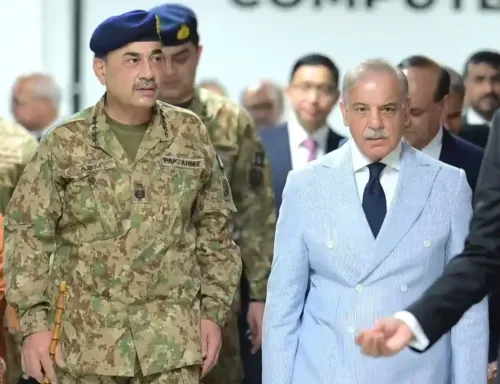
Pakistan's peripheral regions are in the grip of a human rights emergency — civilian deaths up 93%, food and medicine blocked, protests suppressed — but Field Marshal Asim Munir's iron grip on the media means almost none of it is being reported. Every civilian killed is a 'terrorist eliminated.' The information blackout may be holding domestically, but the scale of unrest is becoming harder to contain.
Key Takeaways
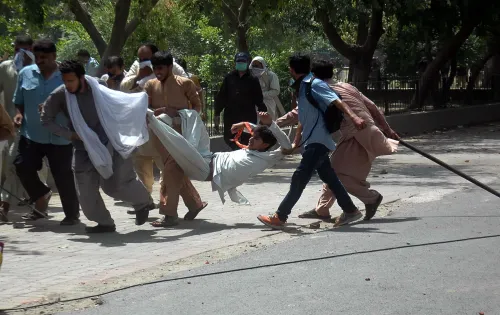
Balochistan , PoK , Gilgit Baltistan , and KP have seen sustained unrest over the past several months, marked by rising civilian deaths and forced disappearances.
Civilian deaths have reportedly surged by approximately 93 per cent compared to previous years, according to human rights groups.
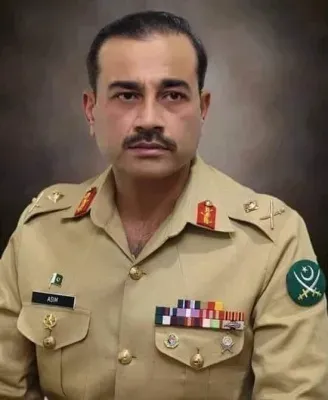
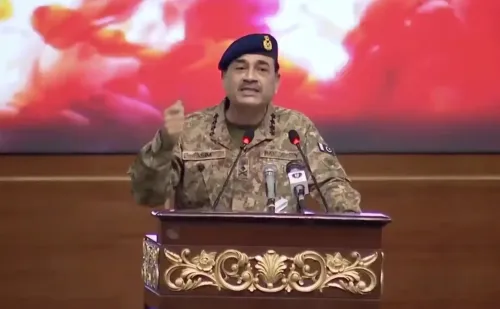
Field Marshal Asim Munir has reportedly directed Pakistani media to frame all regional unrest as national security threats, not civilian grievances.
Civilians killed by security forces are being reported as 'terrorists eliminated,' according to an Intelligence Bureau official.
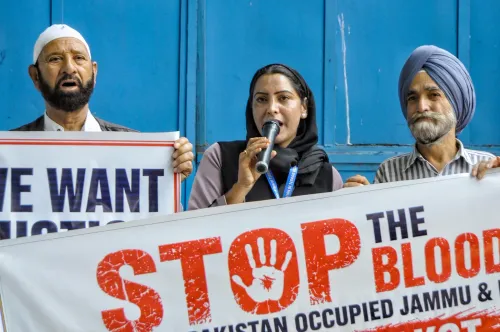
PoK has seen over two months of street protests over lack of basic infrastructure, with government talks described by protesters as a delay tactic.
Munir has reportedly also worked to limit international press coverage through pressure groups abroad, projecting an image of stability to foreign audiences.
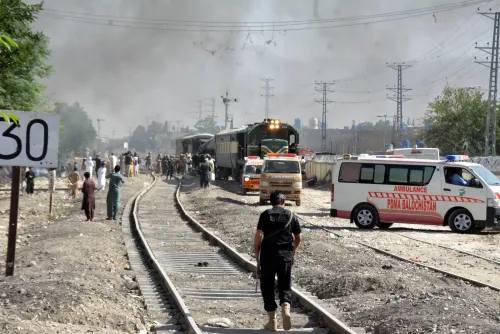
Pakistan's restive regions — Balochistan, Pakistan-occupied Kashmir (PoK), Gilgit Baltistan, and Khyber Pakhtunkhwa (KP) — have been gripped by deepening unrest over the past several months, even as a tightly controlled media apparatus, reportedly directed by Field Marshal Asim Munir, suppresses coverage of the crisis. According to officials tracking the situation, civilian deaths, forced disappearances, and human rights violations are escalating at a pace that is not reflected in Pakistan's domestic press.
The Scale of the Crisis
Human rights groups monitoring the region say conditions have worsened sharply. Food and medical supplies have reportedly been blocked for extended periods across affected areas. Civilian deaths have surged by approximately 93 per cent compared to previous years, according to these groups — a figure that officials say is being systematically obscured by state-directed reporting.
In PoK, street protests have continued for more than two months, driven by public anger over the absence of basic infrastructure. Separately, allegations of rigged elections have emerged from the region, though state-controlled media has framed such claims as attempts to undermine what it has described as a free and fair electoral process.
How the Narrative Is Being Managed
Officials say the Pakistani Army's public relations machinery has issued a strict set of editorial guidelines to news organisations across the country. Under these directives, unrest in Balochistan, PoK, and KP is to be reported exclusively through the lens of national security — not as a reflection of genuine civilian grievances.
An Intelligence Bureau official noted that the gap between ground reality and media coverage is stark. Civilians killed by Pakistani security forces are reportedly being described in official dispatches — and subsequently in media reports — as 'terrorists eliminated.' According to officials, some outlets have gone further, editorially celebrating such killings.
Unlike previous military chiefs, Munir has reportedly succeeded in bringing nearly all major media houses into alignment with the state's position, through a combination of directives and sustained pressure on editors.
Munir's International Image-Building
Officials say Munir has simultaneously pursued an international image-building effort, projecting stability and governance to foreign interlocutors. According to one official, he has, to a considerable extent, managed perceptions abroad — aided by pressure groups that reportedly work to limit international press coverage of the situation in Pakistan's peripheral regions.
This dual strategy — projecting order externally while suppressing dissent internally — has, according to officials, allowed Munir to consolidate his position as the de-facto authority in Pakistan without facing significant external scrutiny.
Talks That Have Gone Nowhere
Government representatives have held multiple rounds of talks with protesters in PoK and other affected regions. However, those on the ground say not a single commitment made in these meetings has been honoured. Protesters and civil society voices describe the engagement as a deliberate delay tactic rather than a genuine attempt at resolution.
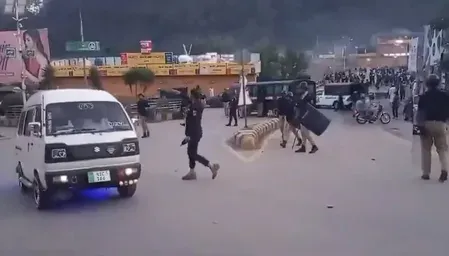
Munir has also reportedly instructed security officials in internal meetings to deploy maximum force to suppress protests — directives that, according to officials, have been carried out with little accountability and no independent oversight.
What Comes Next
With civilian grievances unaddressed, food and medical access restricted, and a media environment that leaves no space for dissent, officials warn that the situation across Balochistan, PoK, Gilgit Baltistan, and KP remains deeply fragile. Whether international human rights bodies can pierce the information blackout to draw sustained global attention to the crisis remains an open question.
Point of View
The Pakistani military is not merely managing optics; it is erasing the evidentiary record. What is striking is how little international pressure this has generated: if Munir's external image-management is working, the cost is being paid entirely by the people of Balochistan, PoK, and KP. The real accountability gap is not in Islamabad's newsrooms — it is in the silence of multilateral human rights bodies that have the reach and mandate to act.
NationPress
11 Oct 2026
Frequently Asked Questions
What is happening in Balochistan, PoK, and Khyber Pakhtunkhwa right now?
The regions have been experiencing sustained unrest for several months, marked by civilian deaths, forced disappearances, and public protests over lack of basic infrastructure. Human rights groups say civilian deaths have risen by approximately 93 per cent compared to previous years, with food and medical supplies reportedly blocked for extended periods.
How is Asim Munir controlling the narrative around Pakistan's unrest?
According to officials, Field Marshal Asim Munir has directed Pakistan's army PR machinery to issue strict editorial guidelines to media houses, requiring all coverage of Balochistan, PoK, and KP to be framed as national security issues rather than civilian grievances. Civilian deaths are reportedly being described as 'terrorist eliminations' in state-directed coverage.
Why are protests happening in Pakistan-occupied Kashmir?
Protests in PoK have been ongoing for more than two months, driven primarily by public anger over the absence of basic infrastructure. Allegations of election rigging have also emerged, though state media has characterised these claims as attempts to disrupt a legitimate electoral process.
Have government talks with protesters in PoK produced any results?
No. Multiple rounds of talks between government representatives and protesters have taken place, but those on the ground say no commitments made in these meetings have been fulfilled. Protesters describe the engagement as a deliberate delay tactic rather than a genuine effort at resolution.
Is international attention being drawn to the crisis in Pakistan's restive regions?
Largely not, according to officials. Munir has reportedly deployed pressure groups abroad to limit international press coverage, while simultaneously projecting an image of stability to foreign audiences. Human rights organisations have flagged the deteriorating situation, but sustained global scrutiny has remained limited.