PoK protests trigger mass desertion risk in Pakistan military, IB warns
Synopsis
Indian intelligence officials are warning that Pakistan's military and police could face a wave of mass desertions — not just from PoK, but from Balochistan and KP as well — as internal discontent over the use of force against protesters reaches a tipping point. With army chief Asim Munir reportedly ordering a crackdown and no negotiations in sight, the institutional cracks inside Pakistan's security apparatus may be widening faster than Islamabad can manage.
Key Takeaways
Intelligence Bureau (IB) officials on 16 June warned of large-scale desertion risk in Pakistan's military, police, and civil administration amid PoK protests.
Pakistani army chief Field Marshal Asim Munir has reportedly ordered authorities to deal with protests with an 'iron fist', with no negotiations underway.
Discontent is reportedly spreading beyond PoK to Balochistan and Khyber Pakhtunkhwa (KP) , where forces face armed groups including the BLA and TTP .
Desertions are said to be occurring regularly but remain suppressed due to fear of repercussions from the Pakistan Army .
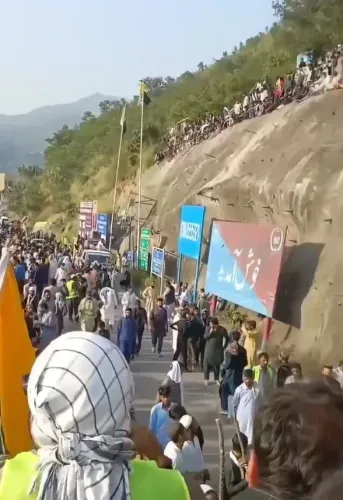
The Jammu Kashmir Joint Awami Committee (JAAC) has intensified its agitation, with women now visibly participating in marches alongside community leaders.
Pakistan's military, regional police forces, and civil administration are facing a growing threat of large-scale desertions as civil unrest deepens across Pakistan-occupied Kashmir (PoK), according to Intelligence Bureau (IB) officials who shared their assessment on Tuesday, 16 June. The officials warned that a section of PoK-origin personnel embedded in Pakistan's state institutions is becoming increasingly disillusioned with the authorities' response to the protests.
Calls to Resign From Within
According to the IB officials, calls have reportedly emerged within PoK urging local residents employed in the armed forces, police, and civil administration to resign in protest against alleged excesses by security forces. Officials noted that dissatisfaction within the ranks is intensifying, driven by the continued use of force against demonstrators.
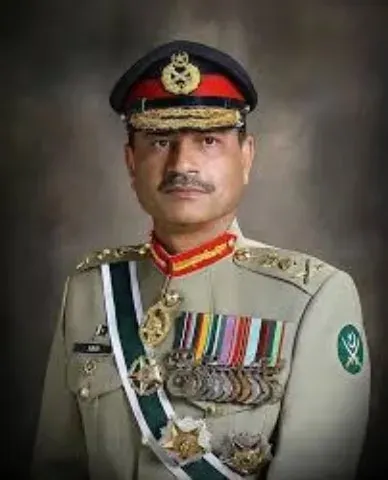
An official stated that no meaningful efforts are being made to resolve the underlying grievances. Pakistani army chief Field Marshal Asim Munir has reportedly directed authorities to handle the protests with an iron fist. 'He is in no mood to listen to the protesters' demands and believes that if they refuse to back down, the use of force will be the only option,' the official said.
Discontent Spreads to Balochistan and KP
The disillusionment within Pakistan's security apparatus is not confined to PoK, according to officials. Similar sentiments are reportedly being observed in Balochistan and Khyber Pakhtunkhwa (KP), where security forces have struggled to contain armed groups including the Balochistan Liberation Army (BLA) and Tehreek-e-Taliban Pakistan (TTP).
Officials claimed that both the BLA and TTP possess superior local intelligence networks and a deeper understanding of the terrain than Pakistani security forces. A significant number of army, police, and government personnel also hail from these very regions, compounding the reluctance to act against their own communities. 'Many personnel are weary of being pitted against their own people,' officials said, adding that allegations of excesses have risen sharply — a development that many within the ranks find difficult to accept.
Desertions Ongoing but Suppressed
While desertions are said to be occurring regularly, the issue remains largely concealed, as few personnel are willing to speak openly against the Pakistan Army for fear of repercussions. Indian agencies assess that if the army persists with its current approach and fails to address growing internal discontent, it could face a significant exodus of troops — potentially involving a substantial number of personnel.
PoK Protests Show No Sign of Easing
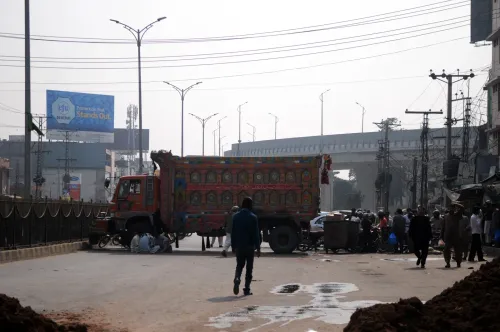
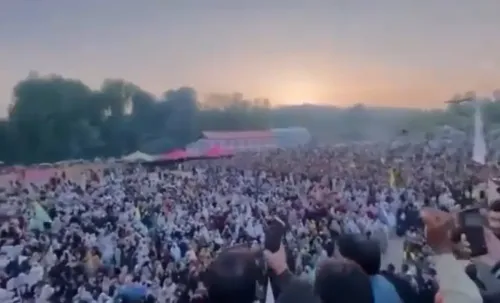
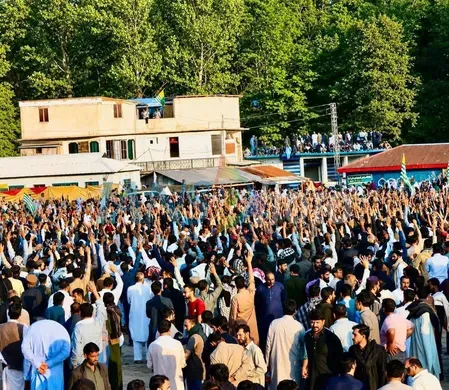
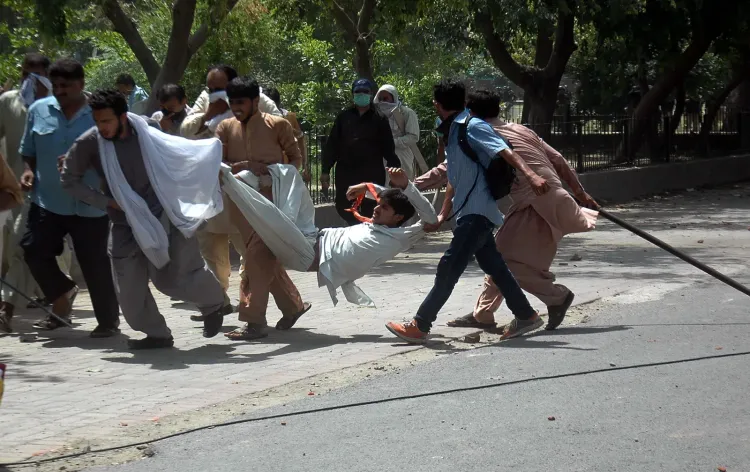
On the ground in PoK, the Jammu Kashmir Joint Awami Committee (JAAC) has intensified its agitation, with an increasing number of people joining the movement. Protesters have openly directed criticism at Asim Munir, holding him personally responsible for the deteriorating situation. Their long-standing demands include greater regional rights, better political representation, and increased development for the area.
Notably, the growing participation of women — seen marching alongside community leaders and activists — has added a new dimension to the protests and further unsettled the administration. Pakistani security forces continue to respond with force, drawing fresh allegations of human rights violations. Although PoK has witnessed protest movements in the past, officials and observers note that this agitation shows little sign of losing momentum.
Point of View
Balochistan, and KP. An institution that relies on fear and hierarchy to suppress dissent is poorly equipped to manage loyalty crises that span regions and ethnicities. Asim Munir's reported iron-fist directive may suppress the protests in the short term, but it risks accelerating the very desertions it is meant to prevent. What mainstream coverage often misses is that the BLA and TTP's superior terrain knowledge isn't just a tactical advantage — it is a recruitment argument that the Pakistan Army cannot easily counter among troops who share those communities.
NationPress
15 Sept 2026
Frequently Asked Questions
Why are Pakistan's security forces facing desertion risks over PoK protests?
According to Indian Intelligence Bureau officials, a growing number of PoK-origin personnel in Pakistan's army, police, and civil administration are disillusioned with the authorities' use of force against protesters. Calls have reportedly emerged within the region urging state employees to resign in protest against alleged excesses by security forces.
What is Pakistan army chief Asim Munir's stance on the PoK unrest?
Field Marshal Asim Munir has reportedly directed authorities to deal with the protests with an iron fist, according to IB officials. Officials say he is unwilling to engage with protesters' demands and views continued force as the only option if demonstrators refuse to stand down.
Is the discontent within Pakistan's security forces limited to PoK?
No. According to officials, similar sentiments are being observed in Balochistan and Khyber Pakhtunkhwa (KP), where security forces have struggled against the BLA and TTP. Many personnel from these regions are reportedly reluctant to act against communities they identify with.
What are the PoK protesters demanding?
Protesters, led by the Jammu Kashmir Joint Awami Committee (JAAC), have been demanding greater regional rights, better political representation, and increased development for PoK. They have also directed criticism directly at army chief Asim Munir, holding him responsible for the worsening situation.
How significant could the desertion wave be, according to Indian intelligence?
Indian agencies assess that if the Pakistan Army continues its current approach without addressing internal discontent, it could face a significant exodus of personnel involving a substantial number of troops. However, the precise scale remains difficult to verify as few personnel are willing to speak openly for fear of repercussions.