PoK protests: Medicines blocked, hospitals barred from treating injured demonstrators
Synopsis
Pakistan's crackdown on PoK protesters has moved beyond force — hospitals are now barred from treating the injured and medicine supplies have been cut off entirely, leaving even non-protesters without basic healthcare. With the JAAC vowing to escalate and Islamabad refusing talks, the standoff is approaching a flashpoint.
Key Takeaways
Hospitals in Pakistan-occupied Kashmir (PoK) face a critical medicine shortage after Islamabad blocked supply lines to the region.
The Pakistan Army , reportedly led by Field Marshal Asim Munir , has instructed hospitals not to treat injured protesters, with threats of consequences for non-compliance.
Intelligence Bureau officials say staff at hospitals, schools, and government offices have been warned against assisting demonstrators, who have been protesting for over two months.
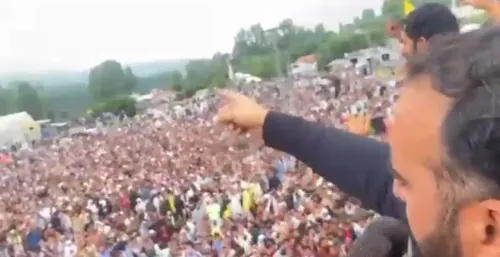
JAAC leader Sardar Aman Khan has rejected all pressure, calling on youth and elders alike to join the protests and urging Pakistan's opposition to participate.
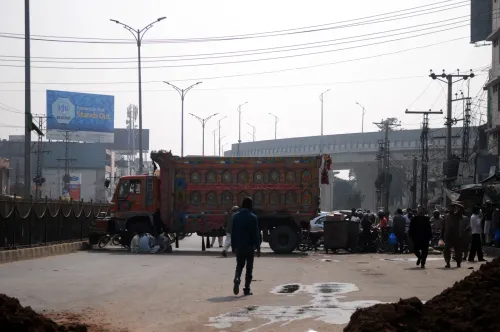
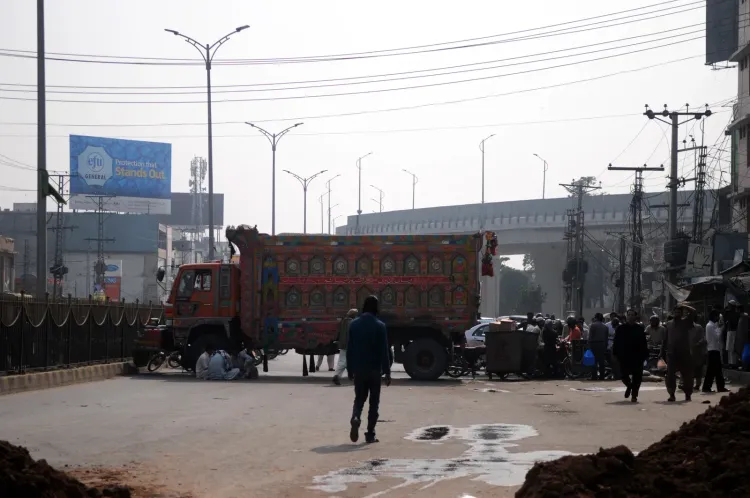
Access to PoK has been completely sealed — no entry or exit is permitted, cutting off both ration and medicine supplies.
India is monitoring the situation closely; voices in Jammu and Kashmir have expressed solidarity with PoK residents.
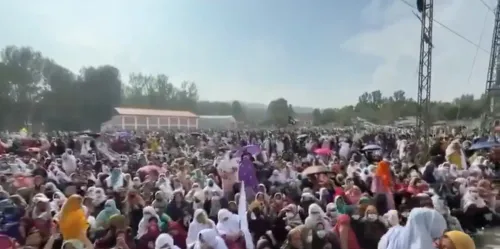
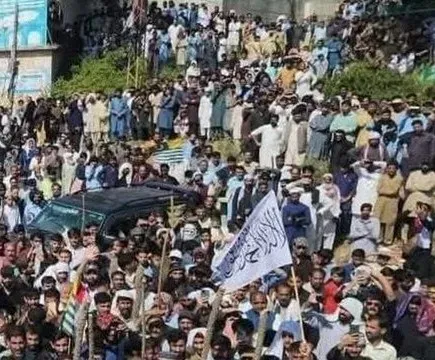
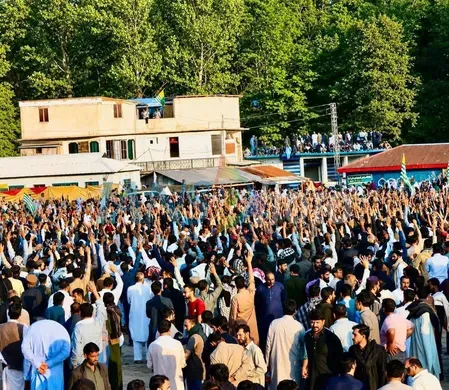
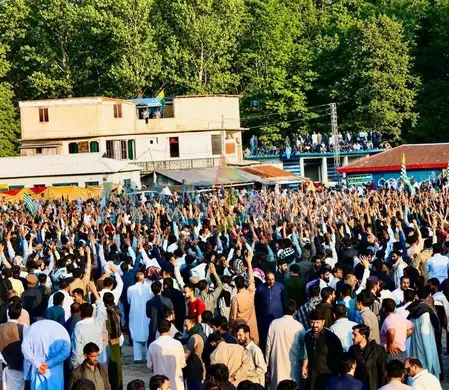
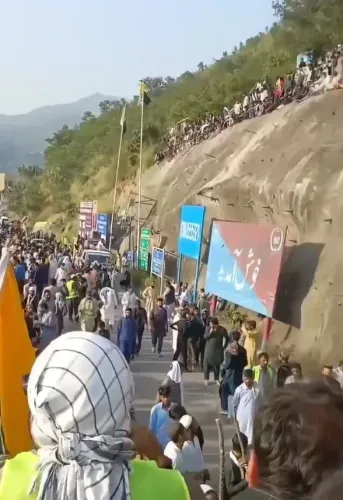
The months-long protest movement in Pakistan-occupied Kashmir (PoK) has entered a critical phase, with the Pakistani establishment reportedly blocking both food and medicine supplies to the region while instructing hospitals not to treat injured demonstrators, according to officials. The crackdown, attributed to directives from the Pakistan Army under Field Marshal Asim Munir, has pushed the civilian population — including those with no connection to the agitation — into acute distress.
Medicine Shortage Cripples Hospitals
Officials say hospitals across PoK are critically short of medicines, unable to meet even basic healthcare needs. The shortage is a direct consequence of Islamabad blocking supply lines into the region, according to official accounts. Crucially, the impact is not limited to protesters — residents with routine medical needs are also being turned away or left without treatment.
An Intelligence Bureau official stated that staff at hospitals, schools, and government offices have been warned against providing any assistance to those participating in the protests, which have now stretched beyond two months. 'There is a sense of fear that has set in across institutions,' the official said.
Army Accused of Directing the Crackdown
According to officials, the Pakistan Army is driving the administration's response, with local political leaders reportedly threatened not to engage with protest leaders. This has kept dialogue channels closed. Security forces have also allegedly instructed hospitals to deny treatment to injured protesters, with warnings of consequences for non-compliance.
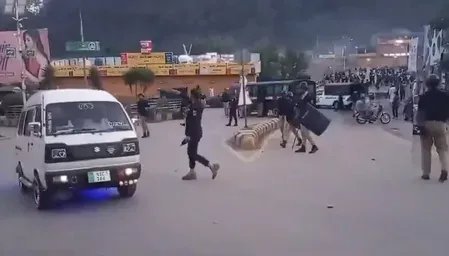
Officials further allege that every march by protesters has been met with firing by Pakistani security forces. The current shift to sit-ins has, according to reports, frustrated the security establishment, which is now reportedly using the denial of essential supplies as a pressure tactic. Officials suggest the establishment may be deliberately provoking demonstrators into violence to justify a more forceful crackdown.
JAAC Vows to Escalate, Calls on Opposition
Joint Awami Action Committee (JAAC) leader Sardar Aman Khan said the movement would not be broken by coercion. 'No amount of pressure will make them back down,' he said, calling on both young and old residents to join the protests in larger numbers. Khan also urged Pakistan's opposition parties to move beyond statements and physically join the agitation, arguing that political slogans alone are insufficient.
The JAAC has indicated that sit-ins will continue for at least another couple of weeks, with the committee reportedly considering a shift toward a more decisive strategy in the coming days.
India Watches Closely, J&K Voices Support
Access to PoK has been completely sealed, with neither entry nor exit permitted, according to officials — a move described as deliberate to exhaust the protest movement. Analysts watching the situation warn of two possible outcomes: either demonstrators grow frustrated and stand down, or the pressure tips into open conflict.
India is closely monitoring developments. Voices in Jammu and Kashmir have expressed solidarity with the people of PoK and condemned the Pakistani establishment's response. The JAAC has also called on residents of Jammu and Kashmir to be more vocal and to organise marches in support. How the situation resolves — through dialogue or further escalation — will depend largely on whether Islamabad lifts its embargo and allows political engagement with the JAAC.
Point of View
Yet it has drawn little global attention. The Pakistan Army's alleged strategy of provoking demonstrators into violence to justify a harder crackdown is a well-documented playbook, and the JAAC's shift toward a 'more decisive path' suggests the movement is aware of the trap. What is missing from this standoff is any credible third-party pressure: Pakistan's opposition has been called upon but has not acted, and India's 'close watch' has not translated into a visible diplomatic response. The longer the blockade holds, the higher the risk that humanitarian conditions — not political demands — become the crisis.
NationPress
16 Oct 2026
Frequently Asked Questions
Why are medicines being blocked in Pakistan-occupied Kashmir?
According to officials, the Pakistani establishment has deliberately cut off medicine and food supplies to PoK as a pressure tactic against ongoing protests. Islamabad has blocked supply lines into the region, leaving hospitals without adequate stock to meet even basic healthcare needs.
What is the JAAC and what are they demanding?
The Joint Awami Action Committee (JAAC) is the body leading the protests in Pakistan-occupied Kashmir, which have continued for over two months. JAAC leader Sardar Aman Khan has vowed the movement will not back down under pressure and has called on Pakistan's opposition parties to join the agitation.
Have hospitals been ordered not to treat injured protesters?
Yes, according to officials, the Pakistan Army has instructed hospitals in PoK not to treat injured protesters, with warnings of consequences for non-compliance. Intelligence Bureau officials say staff across hospitals, schools, and government offices have been warned not to assist demonstrators.
What is India's position on the PoK protests?
India is closely monitoring the situation. Voices in Jammu and Kashmir have expressed solidarity with PoK residents and condemned the Pakistani establishment's response. The JAAC has also called on people in Jammu and Kashmir to be more vocal and organise marches in support.
What are the possible outcomes of the PoK standoff?
Analysts say two scenarios are most likely: either protesters grow frustrated by the blockade and stand down, or the sustained pressure tips the movement into open conflict. Officials allege the establishment may be deliberately provoking demonstrators into violence to justify a more forceful crackdown.