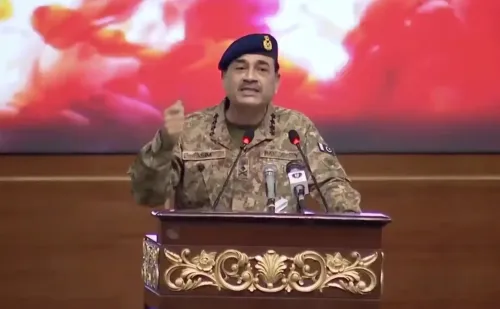
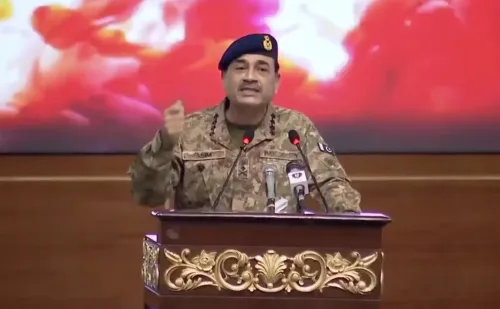
Asim Munir's multi-front overreach fuels PoK unrest and global protests
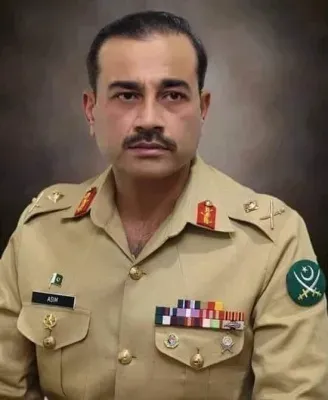
Synopsis
Field Marshal Asim Munir's gamble of fighting the Afghan Taliban, TTP, and BLA simultaneously has left Pakistan-occupied Kashmir dangerously under-policed. A deadly clash in Rawalakot, internet shutdowns, and protests outside Pakistan's London mission signal that what began as an internal security lapse is fast becoming an international human rights crisis Pakistan cannot easily contain.
Key Takeaways
Field Marshal Asim Munir is simultaneously engaged in conflicts with the Afghan Taliban , TTP , and BLA , stretching Pakistan's security forces thin.
A clash in Rawalakot, PoK , reportedly killed five Pakistani security personnel ; internet and mobile services have been blocked in the region.
An Intelligence Bureau official says Pakistan is 'falling short of manpower,' causing its grip on PoK to collapse.
Protesters gathered outside the Pakistan High Commission in London , condemning the crackdown on the Joint Awami Action Committee (JAAC) .
Officials warn that community non-cooperation with security forces has led to multiple intelligence failures, enabling precise TTP and BLA attacks.
Similar protests are reportedly being planned in multiple countries, with officials saying Pakistan cannot suppress international voices through force.
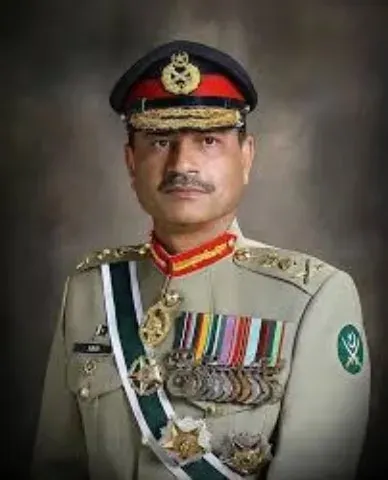
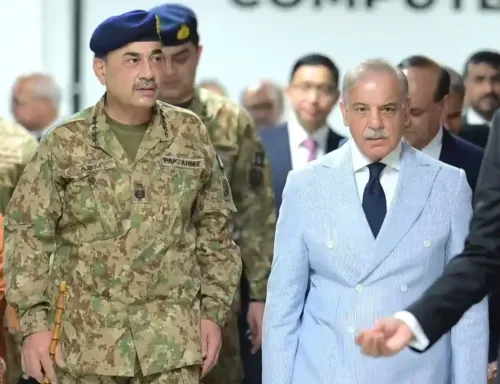
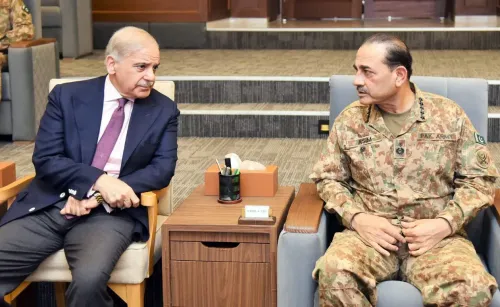
Field Marshal Asim Munir's strategy of opening simultaneous conflicts on multiple fronts is showing signs of severe strain, with Pakistan-occupied Kashmir (PoK) emerging as the most visible pressure point. Security lapses in the region have triggered protests that are now drawing international attention, according to officials tracking the situation.
The Multi-Front Overreach
According to officials, Munir's decision to simultaneously engage the Afghan Taliban, the Tehreek-e-Taliban Pakistan (TTP), and the Balochistan Liberation Army (BLA) has stretched Pakistan's security apparatus thin. A significant share of its forces and intelligence resources have been redirected to Khyber Pakhtunkhwa (KP) and Balochistan, leaving PoK comparatively under-policed.
This comes amid what officials describe as an attempt to divert domestic attention from setbacks reportedly suffered during Operation Sindoor, in which Indian armed forces are said to have inflicted a significant blow on Pakistani military standing.
Security Collapse in PoK
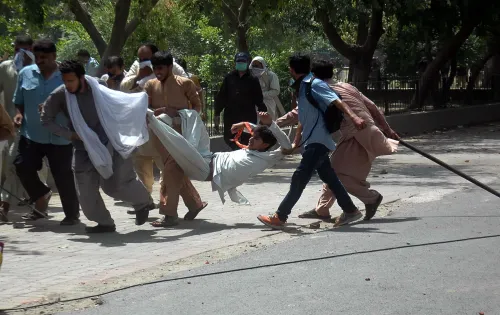
An Intelligence Bureau official said that developments over the last 24 hours have prompted major crackdowns in PoK, including the blocking of internet and mobile services. A clash in Rawalakot reportedly left five Pakistani security personnel dead, underscoring the deteriorating ground situation.
'They are clearly falling short of manpower, and this is the reason why the tight grip they had in PoK has collapsed,' the official said.
Officials note that local communities have increasingly stopped cooperating with security forces, creating what they describe as an information vacuum that has resulted in multiple intelligence failures. The ability of the TTP and the BLA to carry out precise, targeted strikes on Pakistani forces is, according to the officials, a clear indicator that Pakistan's intelligence network has 'virtually collapsed.'
International Scrutiny Mounts
The unrest in PoK is no longer being treated as a purely internal matter. According to officials, alleged human rights violations, developmental neglect, and the absence of democratic freedoms in the region have drawn growing international scrutiny of Pakistan's record.
Scores of protesters gathered outside the Pakistan High Commission in London, condemning the crackdown on the Joint Awami Action Committee (JAAC) and calling the suppression of what they described as a peaceful, non-violent political movement unacceptable. Protesters were heard speaking openly about atrocities reportedly faced by family members in PoK and said the mobile and internet shutdown had cut off all contact with relatives in the region.
Officials assess that similar demonstrations are being planned in other parts of the world, and while these are expected to remain peaceful, their cumulative effect would be to 'challenge and expose what protesters describe as the Pakistan establishment's misleading narrative on human rights,' according to one official.
Erosion of Internal Cohesion
Beyond external pressure, officials say the continued use of force in PoK is generating dissent within Pakistan's own security establishment. 'Many personnel within Pakistan's security forces have begun questioning their superiors over the need to commit atrocities against their own people,' officials noted.
Observers say this internal questioning, combined with community non-cooperation, is compounding the intelligence failures already visible in the TTP and BLA's operational precision against Pakistani targets.
What Comes Next
Officials assess that protests in PoK and abroad are unlikely to subside in the near term. While Pakistani security forces retain the capacity to suppress demonstrations within PoK through force, officials argue they have no comparable tool to contain the growing international chorus. The situation is expected to place Pakistan under sustained pressure across diplomatic, human rights, and security dimensions simultaneously.
Point of View
Internationally visible wound. What makes this structurally different from past Pakistani crackdowns in PoK is the diaspora amplification — London protests today, coordinated global demonstrations tomorrow. Pakistan has historically managed PoK dissent through information blackouts, but the very mobile shutdowns meant to suppress the story are now the story being told outside its borders. Munir faces a paradox: the harder the crackdown, the louder the international echo.
NationPress
26 Oct 2026
Frequently Asked Questions
Why is there unrest in Pakistan-occupied Kashmir right now?
Unrest in PoK has intensified as Pakistan's security forces, stretched thin by simultaneous conflicts with the TTP, BLA, and Afghan Taliban, have reduced their presence in the region. A clash in Rawalakot reportedly killed five Pakistani security personnel, and internet and mobile services have been blocked, according to officials.
What is the Joint Awami Action Committee (JAAC) and why is it significant?
The JAAC is a civil society and political movement in PoK that has been at the centre of protests demanding rights and development for the region's residents. Demonstrators outside the Pakistan High Commission in London condemned the Pakistani government's crackdown on the JAAC, calling it a suppression of a peaceful, non-violent political movement.
What happened outside the Pakistan High Commission in London?
Scores of protesters gathered outside the Pakistan High Commission in London to condemn the crackdown on the JAAC and alleged atrocities in PoK. Demonstrators said the internet and mobile shutdown in PoK had cut off their contact with family members in the region.
How has Pakistan's multi-front military engagement affected its intelligence capacity?
According to officials, local communities in PoK have stopped cooperating with Pakistani security forces, creating an information vacuum that has led to multiple intelligence failures. The operational precision of TTP and BLA attacks on Pakistani forces is cited as evidence that Pakistan's intelligence network has 'virtually collapsed.'
What is Operation Sindoor and how does it relate to the current situation?
Operation Sindoor refers to a military operation by Indian armed forces that reportedly inflicted a significant setback on Pakistan's military. Officials say Munir's decision to open multiple conflict fronts simultaneously was partly an attempt to divert domestic attention from that embarrassment, a strategy that has since backfired.