Pakistan hires US lobbyists for $50,000/month image fix amid rights crisis
Synopsis
Facing a UN-flagged human rights crisis and a restive Balochistan, Pakistan has quietly signed a $50,000-a-month US lobbying contract — not to fix the problems, but to manage the optics. With Field Marshal Asim Munir's standing under pressure and the TTP and BLA battering security forces at home, Islamabad is betting on PR over policy reform.
Key Takeaways
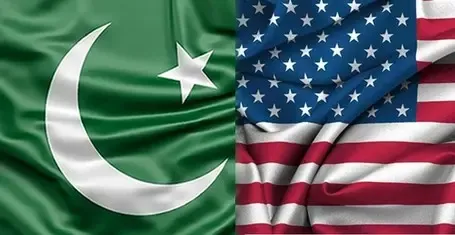
Pakistan signed a $50,000-per-month lobbying contract with Ervin Graves Strategy Group, LLC , a US-based firm, to reshape Washington's perception of Islamabad.
The UN Human Rights Committee recently flagged serious concerns over forced conversions, kidnappings of minorities, and attacks on Shia Muslims , Ahmadis , Hindus , Christians , and Sikhs in Pakistan.
Rights violations in Khyber Pakhtunkhwa and Balochistan have become increasingly public, with residents openly criticising the establishment.
The lobbying effort also targets the Afghanistan narrative, pushing the claim — denied by the Afghan Taliban — that Afghan soil is used by terror groups including the TTP .
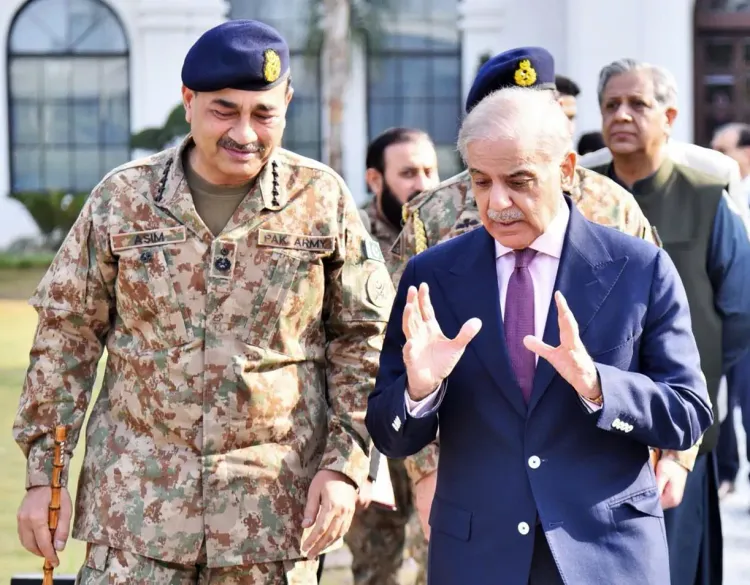
Field Marshal Asim Munir is said to be driving the campaign amid reported reputational damage following Operation Sindoor and sustained TTP and BLA attacks on Pakistani forces.
Critics note the contradiction: Pakistan is spending on international PR while facing a severe domestic economic crisis.
Pakistan has engaged a US-based lobbying firm at $50,000 a month to reshape its international image even as human rights violations in Khyber Pakhtunkhwa (KP) and Balochistan continue to draw global condemnation. The move, according to officials, reflects mounting desperation in Islamabad to manage its narrative abroad while suppressing accountability at home.
The Lobbying Contract
Earlier this month, Pakistan signed an agreement with Ervin Graves Strategy Group, LLC, a US-based firm tasked with reshaping Washington's perception of Pakistan. The firm will arrange high-level meetings with power brokers in the American capital, organise conferences, and facilitate roundtable events — all aimed at projecting a positive image of Islamabad. Officials note this is not the first time Pakistan has deployed such tactics; similar campaigns have been run in the past to curate favourable coverage and access.
Rights Violations Driving the Makeover
The urgency behind the lobbying push stems from a worsening human rights record that has become impossible to contain. A recent report by the United Nations Human Rights Committee raised serious concerns over religious intolerance, forced kidnappings, and forced conversions of Hindu and Christian minorities. The UN Committee also questioned Pakistan over its failure to address escalating attacks and threats against Shia Muslims, Christians, Ahmadis, Hindus, and Sikhs.
In KP and Balochistan, residents are openly calling out the establishment over the lack of development and documented rights abuses. Officials say that at every major international forum, these issues are raised — and Pakistan has struggled to offer credible responses.
The Afghanistan Narrative
The lobbying firms are also reportedly tasked with shaping the narrative around Afghanistan. Pakistan has claimed, without presenting verifiable proof, that Afghan soil is being used as a launchpad by terror groups — specifically citing Tehreek-e-Taliban Pakistan (TTP) links to the Afghan Taliban, a charge the Afghan Taliban has consistently denied. The pressure groups are expected to push this framing with US decision-makers, arguing that Afghanistan must be held accountable for regional instability.
This comes amid a breakdown in Pakistan-Afghanistan relations after the Afghan Taliban regime refused to align with Islamabad's strategic preferences — a significant diplomatic setback for Pakistan.
Munir's Image Problem
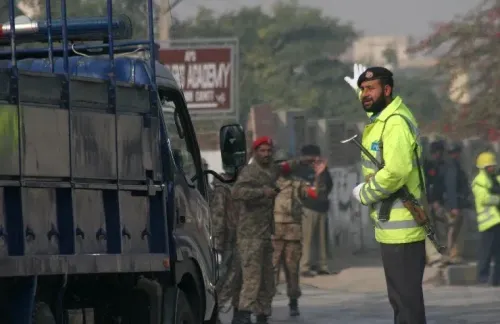
Officials say Pakistan is now firmly under the control of Field Marshal Asim Munir, who reportedly suffered a loss of standing following Operation Sindoor. Compounding his position, the TTP and the Balochistan Liberation Army (BLA) have carried out sustained attacks on Pakistani security forces, while the civilian populations of KP and Balochistan have grown increasingly vocal in their criticism of the establishment.
Experts say that in the coming weeks, pro-Pakistan articles are likely to appear in international media outlets — an outcome these lobbying groups will seek to engineer through discussions with media executives and editorial boards.
The Economic Contradiction
Critics argue the decision to spend heavily on image management exposes a sharp contradiction: Pakistan is navigating a severe economic crisis, yet it has allocated funds for a sustained international PR campaign. According to officials, this reflects the priorities of an establishment more focused on protecting its global standing than addressing the grievances of its own citizens. As one official put it, Islamabad and Munir are 'desperate' — and willing to overlook domestic suffering to salvage their international reputation.
Point of View
000-a-month price tag is also a telling signal: a government under genuine economic stress has decided that international optics are a higher priority than domestic relief. What this campaign cannot paper over is that the violations in KP and Balochistan are now documented, vocal, and social-media-amplified — conditions that no lobbying contract has historically been able to reverse.
NationPress
19 Sept 2026
Frequently Asked Questions
Which US firm has Pakistan hired for lobbying, and how much is it being paid?
Pakistan has engaged Ervin Graves Strategy Group, LLC , a US-based firm, at $50,000 per month to reshape Washington's perception of Islamabad. The firm is tasked with arranging high-level meetings, conferences, and roundtable events with influential American decision-makers.
What human rights concerns has the UN raised about Pakistan?
The UN Human Rights Committee recently published a detailed report raising serious concerns over religious intolerance, forced kidnappings, and forced conversions of Hindu and Christian minorities in Pakistan. The committee also questioned Pakistan's failure to prevent escalating attacks on Shia Muslims , Ahmadis , Hindus , Christians , and Sikhs .
Why is Pakistan investing in international lobbying now?
Officials say Pakistan is under mounting pressure at global forums over rights violations in Khyber Pakhtunkhwa and Balochistan , and has struggled to offer credible responses. The lobbying push is also linked to Field Marshal Asim Munir's reported reputational setback following Operation Sindoor and sustained militant attacks on Pakistani security forces.
What role does Afghanistan play in Pakistan's lobbying strategy?
The lobbying firms are reportedly tasked with convincing US leaders that Afghanistan has allowed its territory to be used by terror groups, including the TTP — a claim the Afghan Taliban has consistently denied. Pakistan is seeking international support for holding Afghanistan accountable for cross-border attacks, framing it as a regional stability issue.
How does Pakistan's lobbying spending square with its economic crisis?
Critics argue the decision is contradictory: Pakistan is grappling with a severe economic crisis yet is allocating significant funds for an international image campaign. Officials say this reflects an establishment prioritising its global standing over addressing the domestic grievances of its citizens.