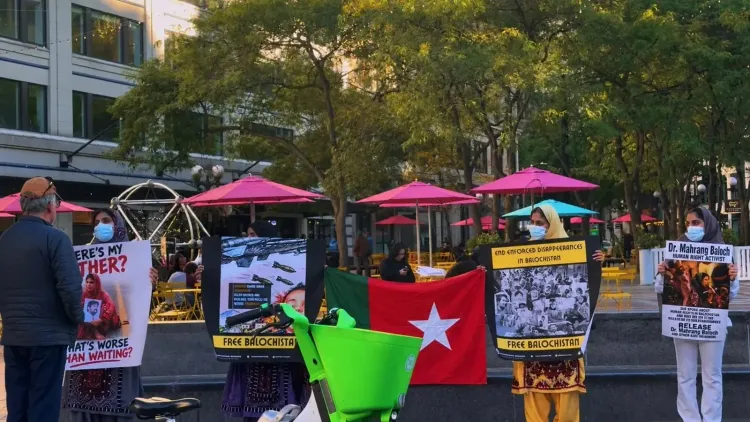
Baloch group protests in Seattle, demands US halt aid to Pakistan over rights abuses
Synopsis
Baloch diaspora groups are taking their fight to two fronts simultaneously — the streets of Seattle and the floor of the UN Human Rights Council in Geneva. With specific airstrike casualty figures now on the UNHRC record and a direct demand to condition US aid on human rights, the BNM is building an international case that could complicate Washington's relationship with Islamabad.
Key Takeaways
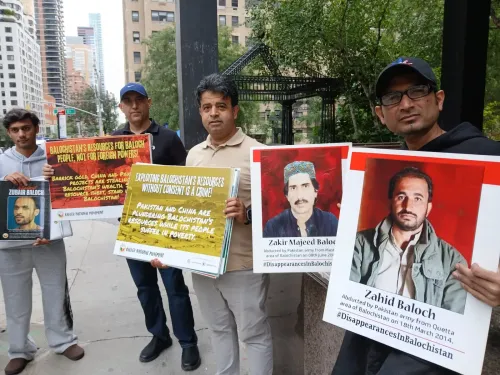
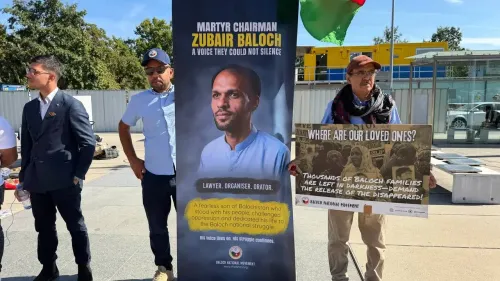
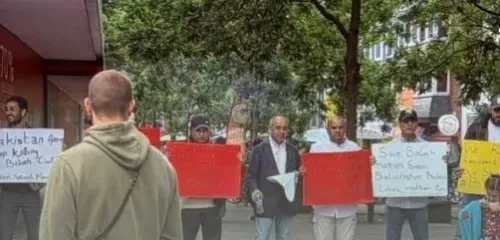
The Baloch National Movement (BNM) held a protest in Seattle, US , on 2 October 2026 , demanding Washington condition aid to Pakistan on human rights improvements.
BNM alleged that US taxpayer funds are 'indirectly being used to support the Pakistani military.' At the 63rd UNHRC session in Geneva , BNM members cited Pakistani Army airstrikes in Surab, Zehri, and Chiltan .
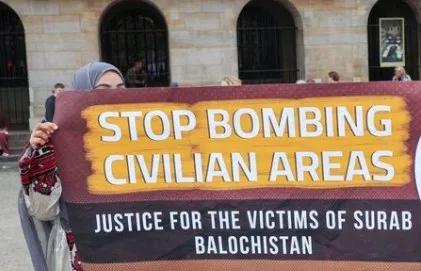
BNM member Ahmed Baloch alleged a Pakistani Army airstrike in Surab on 12 September 2026 killed 6 civilians , including a woman and a two-year-old child , and injured 9 others .
BNM member Mahrah Baloch described ongoing violations against Baloch women, including enforced disappearances, arbitrary detention, and extrajudicial killings.
BNM called on the UNHRC to ensure independent monitoring of Balochistan and transparent investigations into alleged abuses.
The Baloch National Movement (BNM) staged a protest in Seattle, United States, on 2 October 2026, raising alarm over what the group describes as systematic human rights violations in Balochistan by Pakistani security forces, including military airstrikes and operations against civilians across the province.
Key Demands at the Seattle Protest
Speakers at the Seattle demonstration appealed to the American public to speak out against the ongoing violations in Balochistan. They argued that US taxpayer-funded assistance to Pakistan is, in their words, 'indirectly being used to support the Pakistani military.' The BNM urged the US government to 'review its relations with Pakistan and reconsider the assistance it provides, calling for any such support to be conditioned on respect for human rights.'
The protesters stressed that the international community, and particularly the United States, bears a responsibility to help end what they allege are sustained violations of Baloch civilians' fundamental rights.
BNM at the UN Human Rights Council
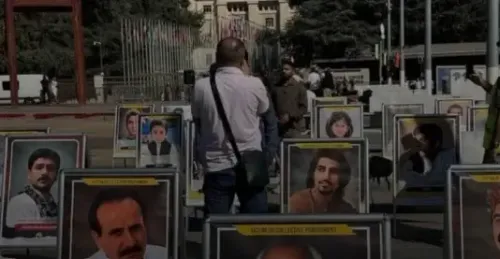
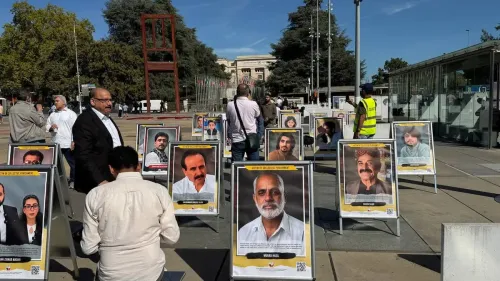
The Seattle protest followed closely on the heels of BNM representations at the 63rd session of the UN Human Rights Council (UNHRC) in Geneva, where several BNM members cited specific incidents of alleged Pakistani Army aggression, including airstrikes in Surab, Zehri, and Chiltan.
BNM member Mahrah Baloch drew the Council's attention to the condition of Baloch women and girls, stating that 'serious violations of their fundamental rights by Pakistani authorities continue, including enforced disappearances, arbitrary detention, torture, extrajudicial killings, and restrictions on peaceful political expression.' She further noted that Baloch women have played a prominent role in movements for justice and accountability, yet many continue to endure the social, emotional, and economic fallout from the enforced disappearances and killings of family members.
Airstrike Allegations and Civilian Casualties
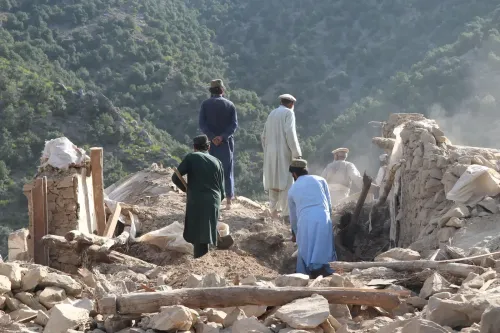
BNM member Ahmed Baloch told the UNHRC session that a Pakistani Army airstrike in Surab on 12 September 2026 killed six civilians, including a woman and a two-year-old child, and injured nine others, most of them young children. He characterised Pakistan's use of airstrikes against civilian areas as a grave escalation of the conflict in the province.
Mahrah Baloch described the pattern of conduct by Pakistani authorities as 'state terrorism,' calling on the Council to ensure independent monitoring of Balochistan, transparent investigations, and protection for those who peacefully document and challenge the alleged abuses.
Broader Context and What Comes Next
The BNM's dual-front campaign — street protests in the US and formal representations at the UN — reflects a broader effort by Baloch diaspora groups to internationalise what they allege is a decades-long pattern of military suppression. Critics of Pakistan's security establishment have long cited enforced disappearances and disproportionate use of force in the province. Pakistan has consistently denied targeting civilians and frames its operations in Balochistan as counter-insurgency measures against armed separatist groups.
This comes amid growing scrutiny of Pakistan's human rights record at multilateral forums, with the UNHRC session providing a formal platform for testimonies that often remain outside mainstream diplomatic dialogue. Whether the Seattle protest and the Geneva statements translate into any concrete shift in US policy toward Pakistan remains to be seen.
Point of View
Locations, and numbers that demand a formal response. What mainstream coverage underplays is the implicit pressure this puts on the US at a time when Washington is already recalibrating its South Asia posture. Whether Seattle protests move policy is doubtful in isolation, but the Geneva testimony creates a paper trail that multilateral bodies and US Congressional human rights caucuses can act on.
NationPress
2 Oct 2026
Frequently Asked Questions
What did the Baloch National Movement demand at the Seattle protest?
The BNM demanded that the US government review its relations with Pakistan and condition any financial assistance on verifiable respect for human rights in Balochistan. Speakers argued that US taxpayer funds are indirectly supporting Pakistani military operations against Baloch civilians.
What did the BNM allege at the UN Human Rights Council?
At the 63rd UNHRC session in Geneva, BNM members alleged that Pakistani Army airstrikes in Surab, Zehri, and Chiltan have killed and injured civilians. BNM member Ahmed Baloch specifically stated that a Surab airstrike on 12 September 2026 killed six civilians, including a two-year-old child, and injured nine others.
What violations against Baloch women did the BNM highlight?
BNM member Mahrah Baloch told the UNHRC that Baloch women and girls face enforced disappearances, arbitrary detention, torture, extrajudicial killings, and restrictions on peaceful political expression by Pakistani authorities. She noted that many women also bear the social and economic consequences of family members being disappeared or killed.
How has Pakistan responded to these allegations?
Pakistan has historically denied targeting civilians in Balochistan and frames its military operations in the province as counter-insurgency measures against armed separatist groups. The source material does not include a direct Pakistani government response to these specific BNM allegations.
Why is the BNM targeting the United States specifically?
The BNM argues that US financial assistance to Pakistan indirectly enables the Pakistani military's operations in Balochistan. By bringing the issue to a US city and formally raising it at the UNHRC, the group aims to pressure Washington to use its leverage over Islamabad to secure human rights protections for the Baloch people.