BNM chief accuses Pakistan of decade-long repression in Balochistan
Synopsis
At the 12th Balochistan International Conference in Geneva, BNM chairman Naseem Baloch laid out a sweeping indictment of Pakistan's conduct in Balochistan — linking military repression, life sentences against BYC leaders flagged by UN experts as a 'grave injustice', and CPEC resource extraction into a single political argument for an independent Balochistan.
Key Takeaways
Naseem Baloch , BNM chairman, addressed the 12th Balochistan International Conference in Geneva on 26 September 2026 .
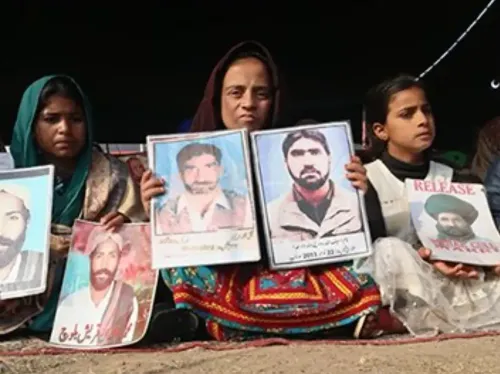
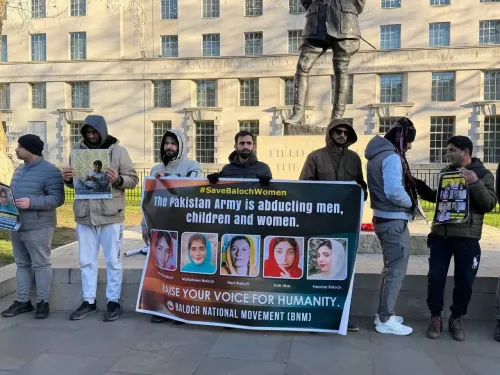
He accused Pakistan of decades of repression including enforced disappearances, imprisonment, exile, and killings of Baloch activists.
BNM mourned Dr Abdul Rasheed (Dr Nokaap Baloch) , a Central Committee member, allegedly killed by Pakistani forces on 10 September .
UN human rights experts reportedly called the life sentences of BYC leaders Mahrang Baloch and Sibghatullah Shahji a 'grave injustice'.
Gulzadi Baloch , another BYC leader, was also sentenced to life imprisonment on what the BNM alleges are 'fake charges'.
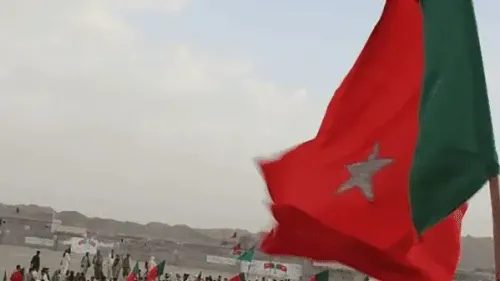
Naseem linked CPEC resource extraction to the Baloch political question, reiterating the BNM's call for an independent Balochistan.
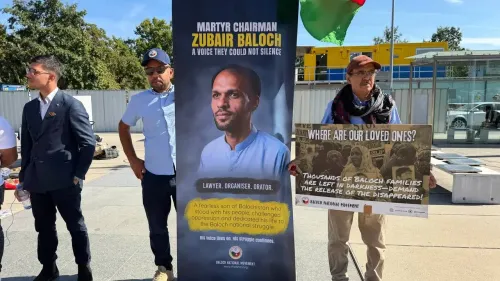
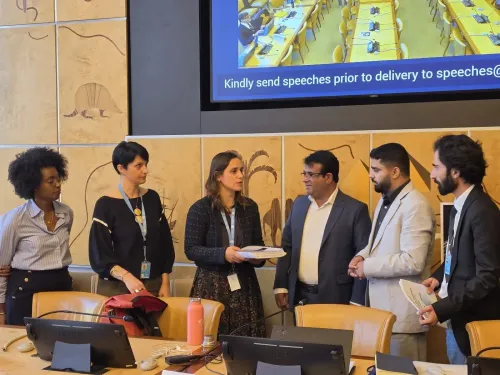
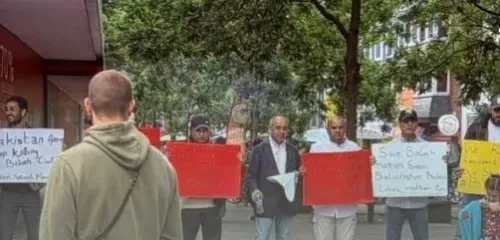
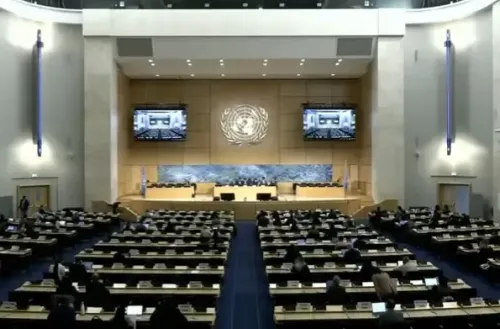
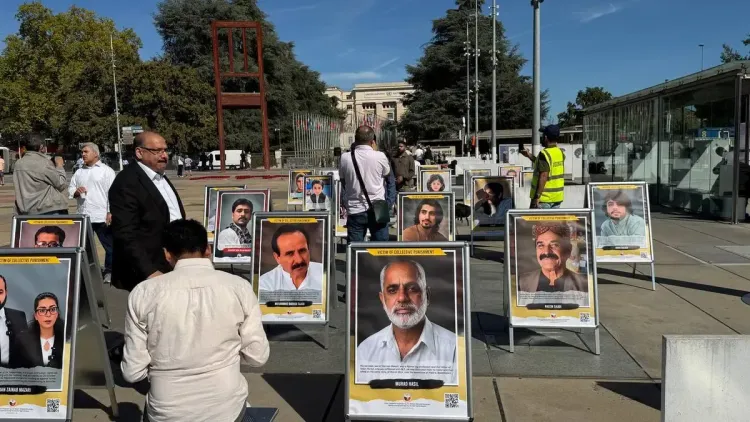
Naseem Baloch, chairman of the Baloch National Movement (BNM), on 26 September 2026 accused Pakistani authorities of subjecting successive generations of Baloch political activists, students, doctors, teachers, lawyers, and ordinary citizens to imprisonment, enforced disappearance, exile, and death. The charges were levelled at the 12th Balochistan International Conference in Geneva, before an audience of human rights defenders, diplomats, media representatives, and Baloch political activists.
Decades of Suppression, BNM Alleges
Naseem argued that Islamabad's decades-long campaign to suppress what he called the 'Baloch national question' has involved military force, political engineering, enforced disappearances, and systematic control over Balochistan's natural resources. He framed the situation as a structural policy of repression rather than isolated incidents, drawing a direct line from early post-independence policies to the present.
He also paid tribute to Dr Abdul Rasheed, known within the BNM as Dr Nokaap Baloch and a member of the organisation's Central Committee, whom he accused Pakistani forces of killing on 10 September. 'We lost Dr Abdul Rasheed... and the BNM still feels the loss,' he said.
Life Sentences Against BYC Leaders Condemned
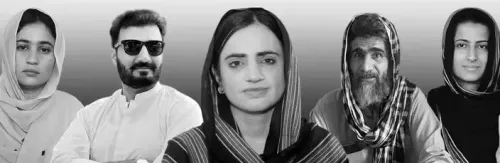
Naseem highlighted the life imprisonment sentences handed down to Baloch Yakjehti Committee (BYC) leaders Mahrang Baloch and Sibghatullah Shahji, citing UN human rights experts who reportedly described the punishments as a 'grave injustice' and raised serious concerns about the fairness of the proceedings and the application of counter-terrorism laws against peaceful political activity.
He also condemned the life sentence imposed on another BYC leader, Gulzadi Baloch, by a Pakistani court, alleging she had been convicted on 'fake charges.' Pakistan has not publicly responded to these specific allegations as yet.
CPEC, Resources, and the Political Question
Turning to economics, the BNM chairman pointed to China's substantial investment in Balochistan through the China-Pakistan Economic Corridor (CPEC), noting that international companies are actively pursuing the province's copper, gold, and other mineral wealth. He argued, however, that any discussion of Balochistan's resources and international investment cannot be separated from the question of the Baloch people's political future. 'Our political position is a free and independent Balochistan,' he stated.
This comes amid longstanding international scrutiny of CPEC's social and economic impact on local Baloch communities, with critics arguing that resource revenues have historically bypassed the province's population.
A Message to the Disappeared and Exiled
Naseem addressed families of the disappeared, political prisoners, colleagues in exile, and those who have lost loved ones, saying: 'Your pain is part of our collective memory.' He closed by reiterating the BNM's core position: 'We believe that the lasting solution to the conflict, repression and recurring crises in Balochistan is the freedom of Balochistan and the right of the Baloch nation to determine its own future.'
The conference underscores the growing internationalisation of the Balochistan issue, with activists increasingly turning to multilateral forums in Geneva to press their case before UN bodies and foreign governments.
Point of View
Designed to move the conversation from political dissent to international human rights law. What mainstream coverage tends to underplay is the CPEC dimension: Naseem's explicit linkage of resource extraction to political repression is an attempt to make Balochistan legible to Western governments and institutional investors who might otherwise treat it as an internal Pakistani matter. Whether this internationalisation strategy translates into concrete pressure on Islamabad remains the central open question.
NationPress
26 Sept 2026
Frequently Asked Questions
What did BNM chairman Naseem Baloch say at the Geneva conference?
Naseem Baloch accused Pakistani authorities of subjecting generations of Baloch citizens to enforced disappearances, imprisonment, exile, and death. He made the remarks at the 12th Balochistan International Conference in Geneva on 26 September 2026, and reiterated the BNM's demand for an independent Balochistan.
What are the life sentences against BYC leaders about?
BYC leaders Mahrang Baloch and Sibghatullah Shahji received life imprisonment sentences from a Pakistani court. UN human rights experts reportedly described the punishments as a 'grave injustice' and raised concerns about the use of counter-terrorism laws against peaceful political activism. A third BYC leader, Gulzadi Baloch, was also sentenced to life imprisonment, which the BNM alleges was based on fabricated charges.
Who was Dr Abdul Rasheed, and why did the BNM mention him?
Dr Abdul Rasheed, also known within the BNM as Dr Nokaap Baloch, was a member of the organisation's Central Committee. Naseem Baloch alleged that Pakistani forces killed him on 10 September, and he paid tribute to him during the Geneva address.
How does CPEC factor into the Balochistan dispute?
Naseem Baloch argued that China's heavy investment in Balochistan through CPEC and international interest in the province's copper, gold, and mineral wealth cannot be separated from the unresolved political status of the Baloch people. He contended that resource discussions must be tied to Baloch political rights.
What is the Baloch National Movement's stated political position?
The BNM's stated position, as reiterated by Naseem Baloch in Geneva, is that the lasting solution to conflict and repression in Balochistan is full independence and the right of the Baloch nation to self-determination.