Pakistan mobilises overseas lobby groups to mute PoK protest coverage globally

Synopsis
Pakistan is deploying the same overseas lobby network it built to target India's image — but now to silence coverage of its own crackdown in PoK, where around 40 people have reportedly been killed in nearly two months of protests. With a communications blackout in place and unrest spreading across Balochistan and KP, Islamabad's information war is turning inward.
Key Takeaways
Pakistan has reportedly activated overseas pressure groups to suppress international coverage of PoK protests that have continued for nearly two months .
Approximately 40 persons have been killed since the protests began, with an unknown number of forced disappearances, according to officials.
A strict ban on mobile communications and internet access in PoK is limiting the flow of information out of the region.
Pakistan's overseas lobby network is also being used to deflect attention from unrest in Balochistan and Khyber Pakhtunkhwa (KP) , and from groups including Lashkar-e-Taiba and Jaish-e-Mohammed , officials alleged.
China has reportedly pressured Islamabad over the security situation, given its substantial infrastructure investments in Balochistan.
Pakistan has shifted its foreign policy toolkit from traditional diplomacy to a network of businessmen, lobbyists, and political intermediaries , officials said.
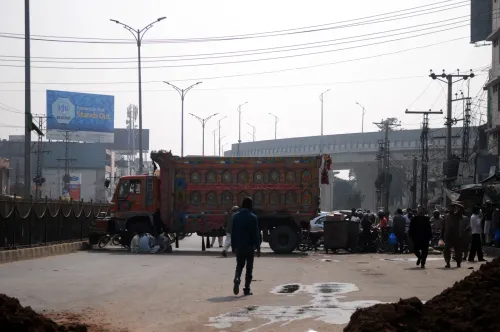
Pakistan has activated its network of overseas pressure groups to suppress international coverage of the ongoing protests in Pakistan-occupied Kashmir (PoK), according to Indian officials. The move comes as demonstrations that have persisted for nearly two months show no signs of abating, raising fears in Islamabad that the unrest could draw sustained global scrutiny.
The Overseas Lobby Operation
According to an official, Pakistan has reached out to the same network of foreign pressure groups it has long deployed to amplify the Kashmir issue and project a negative image of India on international platforms. The direction, the official said, has now been reversed — these groups are being instructed to suppress, not amplify.
'The same people are now being told to cover up the atrocities that are taking place in PoK,' the official said.
An Intelligence Bureau official said Pakistan has been investing heavily in individuals abroad in recent months to tilt narratives in its favour. The stated priorities include building an anti-India narrative on the Kashmir issue, cultivating goodwill among foreign lawmakers to secure international funding, and deflecting scrutiny from proscribed terror organisations including Lashkar-e-Taiba and Jaish-e-Mohammed, according to the official.
Scale of Unrest in PoK
The protests in PoK have continued for close to two months, with demonstrators calling on the international community to speak out against alleged atrocities by Pakistan's security forces. According to officials, approximately 40 persons have been killed since the unrest began, and an unspecified number of forced disappearances have been reported.
Officials cautioned that the actual toll could be significantly higher, as Pakistan has imposed a strict ban on mobile communications and internet access in the region. 'The Pakistani establishment does not even want its own people to know the extent of the atrocities committed by its security forces,' one official said.
Broader Narrative Management: Balochistan and KP
Officials said Pakistan's information-suppression effort extends beyond PoK. Islamabad is also keen to limit international attention on Balochistan and Khyber Pakhtunkhwa (KP), both of which have witnessed prolonged unrest. Chinese-built infrastructure in Balochistan has reportedly been among the hardest hit by attacks in recent years, and officials said China — which has made substantial investments in Pakistan — has been applying pressure on Islamabad over the security situation.
'If Pakistan is increasingly seen as incapable of safeguarding foreign investments, it would be a significant setback for Islamabad,' an official said.
A Shift in Pakistan's Foreign Policy Toolkit
Officials noted that Pakistan has in recent years moved away from traditional diplomatic channels — embassies and career diplomats — toward a more opaque network of businessmen, lobbyists, personal contacts, and political intermediaries. These individuals, officials alleged, are paid substantial sums to manage Pakistan's image abroad and form the backbone of the pressure-group network now being mobilised over PoK.
While the strategy reportedly yielded some early returns for Pakistan, the simultaneous unrest in Balochistan, KP, and PoK has placed Islamabad firmly on the defensive, officials said.
What Comes Next
Officials believe it is only a matter of time before the PoK protests attract significant international attention, given the scale of the demonstrations and the Pakistani establishment's apparent unwillingness to engage with protesters' demands. With the communications blackout still in place and no credible dialogue under way, officials warned that further escalation remains a distinct possibility. Islamabad, they said, is mounting intense pressure on its overseas network to ensure that these developments do not gain traction on the global stage.
Point of View
If accurate, a telling sign of how exposed Islamabad feels. The same network built to internationalise the Kashmir dispute is now being used to de-internationalise it — a structural contradiction that undermines Pakistan's longstanding claim to moral authority on the issue. The communications blackout in PoK mirrors tactics used in Balochistan for years, suggesting this is less a crisis response and more an institutional reflex. The real test will come if the protests sustain long enough to breach the information cordon — at which point no lobby network will be sufficient to contain the fallout.
NationPress
20 Sept 2026
Frequently Asked Questions
What are the PoK protests about?
Demonstrators in Pakistan-occupied Kashmir have been protesting for nearly two months, urging the international community to speak out against alleged atrocities by Pakistan's security forces. Around 40 people have reportedly been killed since the unrest began, and forced disappearances have also been reported.
How is Pakistan trying to suppress coverage of the PoK protests?
According to Indian officials, Pakistan has activated its overseas network of pressure groups — businessmen, lobbyists, and political intermediaries — and directed them to prevent the PoK unrest from gaining international prominence. These are reportedly the same groups previously used to build an anti-India narrative on the Kashmir issue.
Why is information from PoK so limited?
Pakistan has imposed a strict ban on mobile communications and internet access in the region, severely restricting the flow of information. Officials have said the actual number of killings and forced disappearances may be significantly higher than figures currently emerging from PoK.
Is the unrest limited to PoK?
No. Officials said Pakistan is also working to limit international attention on prolonged unrest in Balochistan and Khyber Pakhtunkhwa. Chinese-built infrastructure in Balochistan has reportedly been among the hardest hit by attacks, adding pressure from Beijing on Islamabad.
How has Pakistan's foreign policy approach changed in recent years?
Officials said Pakistan has shifted away from traditional diplomatic channels toward a network of businessmen, lobbyists, personal contacts, and political intermediaries who are paid to manage the country's international image. This network is now reportedly central to Islamabad's effort to contain the PoK narrative.