Pakistan tops world in stillbirths and neonatal deaths, report finds
Synopsis
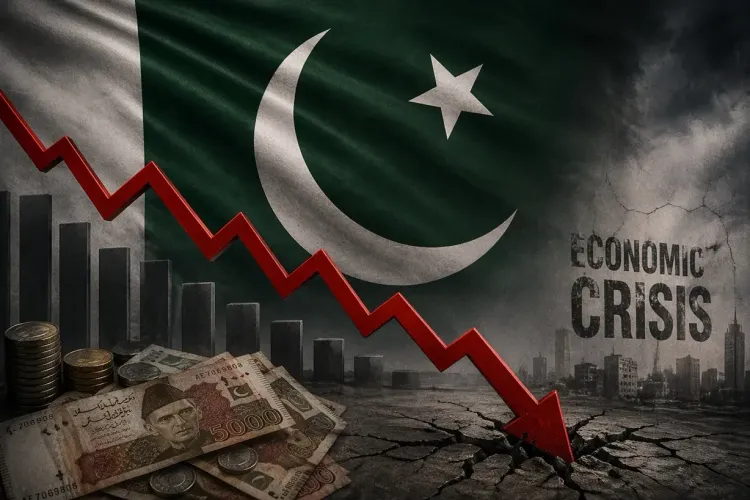
Pakistan holds two grim global records simultaneously: the highest number of stillbirths at 700,000 a year and the world's steepest neonatal mortality rate at 42 per 1,000 live births. A separate report finds nearly two-thirds of its population cannot afford a minimum healthy diet — the worst rate in South Asia — even as inflation moderates, because real household incomes have fallen 13 per cent.
Key Takeaways
Pakistan records approximately 700,000 stillbirths per year — the highest globally.
The country's neonatal mortality rate stands at 42 per 1,000 live births , also the world's highest.
Nearly 48 per cent of pregnancies in Pakistan are unwanted, resulting in an estimated 380,000 abortions annually , many at unregulated clinics.
Around 20 per cent of couples face unmet family planning needs due to resource shortages and service gaps.
An estimated 161 million people cannot afford a minimum nutritious diet after essential non-food expenses.
Real household incomes in Pakistan fell by nearly 13 per cent in inflation-adjusted terms, deepening food insecurity despite moderating prices.
Pakistan records approximately 700,000 stillbirths every year — the highest count of any country globally — while 42 out of every 1,000 newborns die within their first month of life, giving the nation the world's steepest neonatal mortality rate, according to a report citing a senior health official. The findings point to entrenched systemic failures across the country's maternal and child health infrastructure.
Scale of the Crisis
The report, published in The News Pakistan, underscores the severity of Pakistan's reproductive health emergency. Nearly 48 per cent of pregnancies in the country are unwanted, contributing to an estimated 380,000 abortions annually. A significant share of these procedures are carried out at unregulated clinics, frequently resulting in severe complications including sepsis.
Around 20 per cent of couples in Pakistan face unmet family planning needs — a gap attributed primarily to resource shortages and service-delivery failures rather than community resistance, according to the official cited in the report.
Structural Failures Behind the Numbers
The report argues that Pakistan's demographic challenges cannot be assessed through a purely medical lens. It describes the crisis as a reflection of broader structural breakdowns — in healthcare access, policy implementation, and resource allocation. It also cautions against excessive reliance on externally driven terminology in public health discourse, warning that such framing can provoke cultural resistance and ultimately undermine population-related interventions.
Food Insecurity Compounds the Picture
A separate report adds another layer to Pakistan's public health emergency. An estimated 161 million people in Pakistan were unable to afford the cheapest combination of nutritious food — including grains, pulses, milk, eggs, fruits, and vegetables — after accounting for essential non-food expenses such as housing, transport, and utilities.
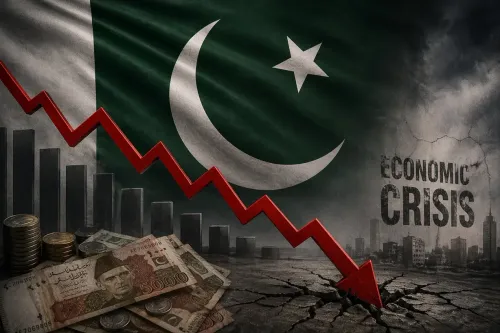
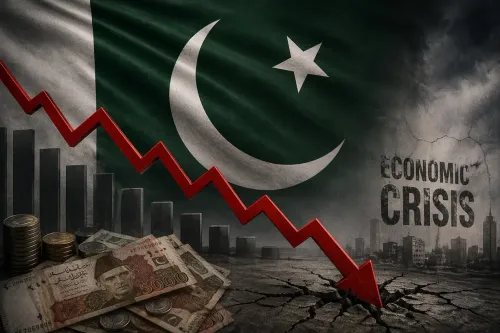
Nearly two-thirds of Pakistan's population could not afford a minimum healthy diet in 2025, giving the country the highest rate of healthy diet unaffordability in South Asia — despite having the region's lowest-cost nutritious food basket. This comes amid a period of moderating inflation from the peaks recorded in 2023, yet real household incomes fell by nearly 13 per cent after adjusting for inflation, eroding any relief from lower prices.
What the Data Signals
Taken together, the two reports present a compounding crisis: a healthcare system unable to safeguard newborns and mothers, layered over a food economy that leaves the majority of citizens unable to meet basic nutritional needs. Notably, Pakistan's neonatal mortality rate of 42 per 1,000 live births stands in stark contrast to the global average of roughly 17 per 1,000, according to international health benchmarks. The country's position at the bottom of South Asia's diet-affordability rankings further signals that the burden falls disproportionately on the most vulnerable households.
Health experts and policymakers will need to reconcile the urgency of these indicators with the structural and financial constraints that have historically slowed reform in Pakistan's public health sector.
Point of View
It is that incomes have collapsed so sharply that even cheap food is out of reach for 161 million people. The 13 per cent real income decline is the thread that connects the nutrition crisis to the maternal health crisis — and neither can be addressed in isolation. International aid frameworks that focus on terminology debates rather than service delivery, as the report itself warns against, risk missing the point entirely.
NationPress
12 Aug 2026
Frequently Asked Questions
Why does Pakistan have the world's highest neonatal mortality rate?
Pakistan's neonatal mortality rate of 42 per 1,000 live births is the highest globally, driven by deep-rooted systemic failures including inadequate healthcare infrastructure, resource shortages, and gaps in maternal care service delivery, according to the report citing a senior health official.
How many stillbirths does Pakistan record each year?
Pakistan records approximately 700,000 stillbirths annually, the highest figure of any country in the world. Health officials attribute this to structural failures in the country's maternal health system rather than any single cause.
What is the scale of Pakistan's family planning crisis?
Around 20 per cent of couples in Pakistan have unmet family planning needs, and nearly 48 per cent of pregnancies are unwanted. This contributes to an estimated 380,000 abortions each year, many performed at unregulated clinics with serious health risks.
How many people in Pakistan cannot afford a healthy diet?
An estimated 161 million people in Pakistan — nearly two-thirds of the population — could not afford the cheapest combination of nutritious foods in 2025 after accounting for essential non-food expenses. This is the highest rate of healthy diet unaffordability in South Asia.
Has Pakistan's food situation improved with falling inflation?
Despite a moderation in inflation from its 2023 peaks, food affordability has not meaningfully improved because real household incomes fell by nearly 13 per cent after adjusting for inflation, wiping out any benefit from lower food prices.