Pakistan's population boom a growing climate risk, warns report
Synopsis
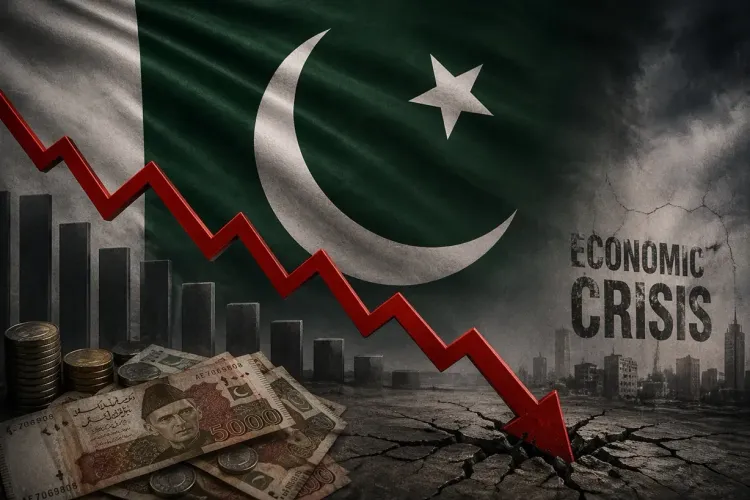
Pakistan's population of 259 million is growing at 2.55% a year — and every new birth is also a new climate liability. A Dawn report lays bare how demographic momentum is amplifying floods, droughts, and resource scarcity, while a separate account reveals that monsoon preparedness funds haven't even been released. The country faces a compounding crisis with no easy fiscal escape.
Key Takeaways
Pakistan's population stands at approximately 259 million , growing at 2.55% annually with nearly 6.7 million births each year.
The population is projected to exceed 300 million within five years and reach 400 million by 2050 .
Population growth is acting as a climate risk multiplier , driving up demand for water, food, land, and energy amid worsening floods, droughts, and heatwaves.
Population Council estimates project a need for 57,000 additional primary schools , 15 million houses , and 104 million new jobs by 2050.
Flood preparedness in Rawalpindi remains incomplete, with monsoon funds unreleased due to the country's ongoing financial crisis.
The report calls for stronger voluntary family planning, women's empowerment, and integrated climate-demographic policy.
Pakistan's rapid population growth has emerged as a critical threat to the country's environmental sustainability and climate resilience, according to a report by Dawn. The country's government has called for integrated policies that simultaneously address demographic pressures, climate adaptation, and sustainable development goals.
The Scale of the Problem
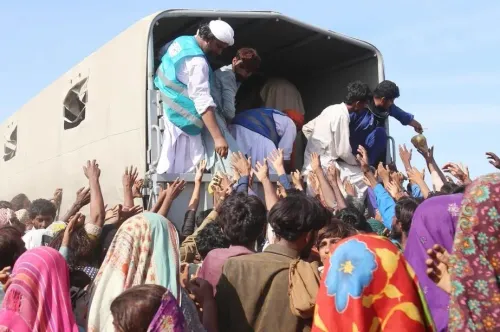
Pakistan's population currently stands at an estimated 259 million, expanding at an annual rate of 2.55%. The country records nearly 6.7 million births every year. If current trends persist, the population is projected to surpass 300 million within five years and approach 400 million by 2050.
Population as a Climate Risk Multiplier
The report describes rapid population growth as a 'climate risk multiplier,' intensifying demand for water, food, land, and energy at precisely the moment Pakistan is grappling with more frequent floods, droughts, heatwaves, and glacier-related disasters. Urbanisation is compounding the strain, placing mounting pressure on infrastructure, public finances, and basic services across the country.
Notably, this demographic surge is unfolding against a backdrop of one of the world's most climate-vulnerable geographies. Pakistan ranked among the countries most affected by extreme weather events in recent global climate-risk indices, making the intersection of population and climate a particularly acute policy challenge.
Infrastructure and Jobs Deficit by 2050
Citing Population Council estimates, the report projects that Pakistan will need an additional 57,000 primary schools, more than 15 million houses, and nearly 104 million new jobs by 2050 if demographic trends remain unchanged. These figures underscore the scale of investment required merely to keep pace with population growth — before accounting for climate adaptation costs.
Flood Preparedness Gaps Widen Financial Strain
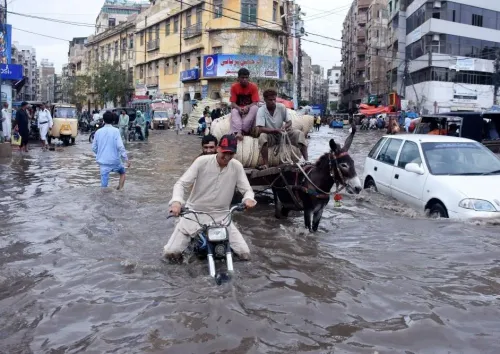
A separate report flagged incomplete flood preparedness measures, attributing delays to the country's ongoing financial crisis. According to the Express Tribune, funds required for monsoon preparedness have not been released, and concrete measures to deal with possible flooding remain unfinished.
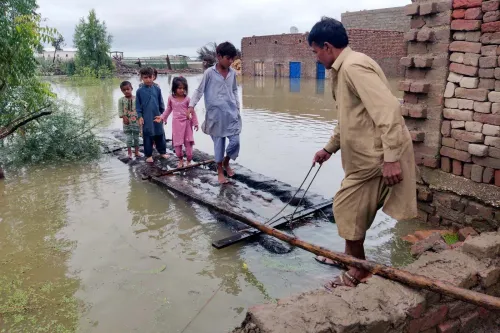
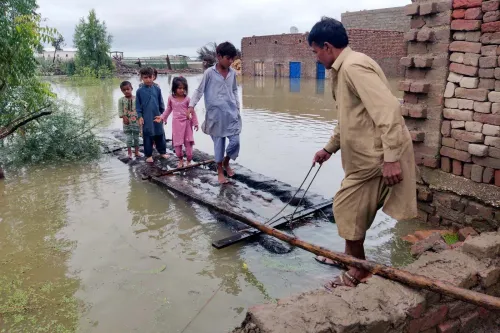
Several drains in Rawalpindi have reportedly not been desilted, and residents in the Leh Nullah area have been temporarily relocated. People in low-lying areas have moved valuables to safer locations ahead of the monsoon season.
Policy Response and the Road Ahead
The Dawn report underscored the need to strengthen voluntary family planning, women's empowerment, reproductive healthcare, and sustainable resource management as interconnected pillars of any effective response. Analysts argue that without integrating population policy into climate planning, adaptation investments risk being outpaced by demographic demand. Whether Islamabad can mobilise the political will and fiscal resources to act on both fronts simultaneously remains an open question.
Point of View
Yet policy discussions in Islamabad have rarely treated them as a single integrated challenge. The Dawn report's framing of population growth as a 'climate risk multiplier' is analytically important — it shifts the conversation from welfare to resilience. What is striking, and underreported, is the fiscal dimension: a country that cannot release monsoon preparedness funds is simultaneously being asked to build 57,000 schools and create 104 million jobs by 2050. Without external climate finance and a credible domestic population policy, these projections are less a roadmap than a warning.
NationPress
13 Oct 2026
Frequently Asked Questions
What is Pakistan's current population and growth rate?
Pakistan's population is estimated at approximately 259 million, growing at an annual rate of 2.55%. At this pace, the population is projected to exceed 300 million within five years and approach 400 million by 2050.
How does population growth worsen Pakistan's climate crisis?
Rapid population growth amplifies climate risks by increasing demand for water, food, land, and energy at a time when Pakistan is already facing more frequent floods, droughts, heatwaves, and glacier-related disasters. The Dawn report describes it as a 'climate risk multiplier' that strains infrastructure and public finances simultaneously.
What additional infrastructure will Pakistan need by 2050?
According to Population Council estimates cited in the report, Pakistan will require 57,000 additional primary schools, over 15 million houses, and nearly 104 million new jobs by 2050 if current demographic trends continue.
Why is Pakistan's flood preparedness incomplete this monsoon season?
A separate report attributed incomplete flood preparedness to the country's ongoing financial crisis, which has delayed the release of funds required for monsoon readiness. Several drains in Rawalpindi have not been desilted, and residents in the Leh Nullah area have been temporarily relocated.
What solutions does the report recommend for Pakistan?
The Dawn report calls for strengthening voluntary family planning, women's empowerment, reproductive healthcare, and sustainable resource management. It urges the government to adopt integrated policies that address demographic pressures alongside climate adaptation and sustainable development goals.