Pakistan under fire over abduction, forced conversion of 14-year-old Hindu girl
Synopsis
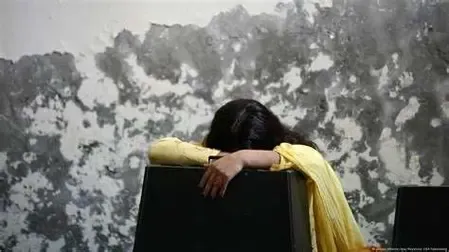
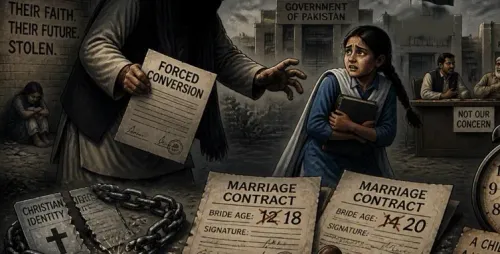
A 14-year-old Hindu schoolgirl, Bindiya Kumari, was allegedly abducted from Balochistan and forcibly converted and married in Sindh — with arrangements reportedly linked to the influential cleric 'Mian Mithu'. Despite government-issued documents confirming her age, police have reportedly failed to act, prompting parliamentary intervention and an urgent demand for a special investigation team from rights groups.
Key Takeaways
Bindiya Kumari , a 14-year-old Hindu ninth-grade student, was allegedly abducted from Sibi, Balochistan and taken to Sindh , Pakistan.
Her forced conversion and marriage were reportedly facilitated through arrangements linked to Mian Abdul Haq ('Mian Mithu') .
The case was raised in the Balochistan Assembly on 19 October and the Senate Minority Caucus on 29 October 2026 .
Senator Dinesh Kumar accused police of failing to act despite receiving documents confirming the girl's age.
Rights activist Joseph Janssen has called for a special investigation team to recover missing minority girls.
The Voice of Pakistan Minority (VOPM) has demanded federal and provincial authorities ensure her safety and hold all responsible parties accountable.
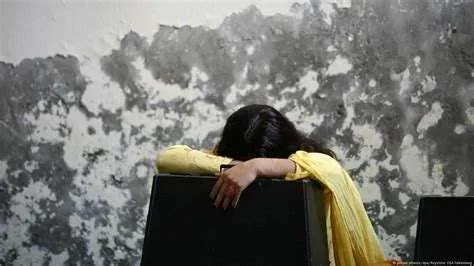
A leading minority rights body has raised serious alarm over the alleged abduction, forced religious conversion, and child marriage of Bindiya Kumari, a 14-year-old Hindu girl and ninth-grade student, in Pakistan — exposing what advocates describe as a widening gap between the country's stated commitments to minority protection and the reality on the ground. The case has drawn intervention from lawmakers in both the Balochistan Assembly and the Senate Minority Caucus.
What Happened to Bindiya Kumari
According to the Voice of Pakistan Minority (VOPM), Bindiya was allegedly abducted from Sibi in Balochistan province and transported to Sindh, where her conversion and marriage were reportedly facilitated through arrangements linked to Mian Abdul Haq, popularly known as 'Mian Mithu'. The VOPM noted that government-issued documents confirming Bindiya's age of 14 years had been provided to the authorities, yet decisive police action has reportedly not followed.
The rights organisation stressed that Bindiya's case is symptomatic of a broader pattern of atrocities against minority children in Pakistan, with the incident drawing scrutiny over both law enforcement failures and alleged interference by influential religious figures.
Parliamentary Response and Lawmakers' Demands
Bindiya's case was raised in the Balochistan Assembly on 19 October and subsequently taken up by the Senate Minority Caucus on 29 October. Legislators called for her immediate recovery, questioned the adequacy of the police response, and stressed the need for coordination between the provinces of Sindh and Balochistan.
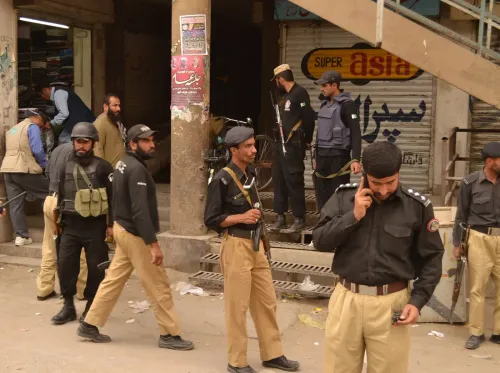
Senator Dinesh Kumar accused the police of failing to act against influential religious figures despite being furnished with documents confirming the girl's age. The VOPM questioned why a child's safety had to become 'a parliamentary campaign before officials treat it as urgent.'
Rights Groups Demand Accountability
Pakistani rights activist Joseph Janssen has called for a special investigation team to recover missing minority girls. Other minority representatives have demanded stronger enforcement mechanisms and accountability for officials who fail to act.
The VOPM issued a pointed statement: 'Authorities must establish the facts through a fair investigation. But fairness does not require silence, and an investigation should never become an excuse to leave a child without protection.'
The rights body further warned: 'A government cannot claim to protect minorities while leaving their families to struggle against people they believe the police fear.' It has called on both federal and provincial authorities to establish Bindiya's safety, investigate the allegations, and hold those responsible — including any police personnel who failed to act — accountable.
A Systemic Pattern of Concern
This case comes amid longstanding documentation by international human rights bodies of forced conversions of Hindu, Christian, and other minority girls in Pakistan, particularly in Sindh and Balochistan. Critics argue that figures such as Mian Mithu have historically operated with near-impunity, with earlier cases raising similar allegations of police inaction and institutional complicity. The VOPM's intervention underlines that legislative pressure has so far not translated into ground-level protection.
The test for Pakistan's federal and provincial governments, advocates say, is not another committee meeting — it is whether Bindiya Kumari is recovered and whether those responsible face justice.
Point of View
Where influential religious figures have repeatedly been accused of operating with institutional protection. The more troubling detail here is not the alleged crime itself but the reported police paralysis even after legislators formally intervened and official documents confirming the victim's age were submitted. Pakistan has ratified frameworks obligating it to protect children from forced marriage, yet the gap between that commitment and ground reality persists. If influential clerics can effectively nullify a police investigation, the problem is not administrative inefficiency — it is a structural failure of equal justice that no speech or committee meeting will fix.
NationPress
4 Nov 2026
Frequently Asked Questions
Who is Bindiya Kumari and what happened to her?
Bindiya Kumari is a 14-year-old Hindu ninth-grade student who was allegedly abducted from Sibi in Pakistan's Balochistan province and taken to Sindh, where her forced religious conversion and marriage were reportedly facilitated through arrangements linked to influential cleric Mian Abdul Haq, known as 'Mian Mithu'. Her case has been raised in both the Balochistan Assembly and the Senate Minority Caucus.
What is the Voice of Pakistan Minority (VOPM)?
The Voice of Pakistan Minority (VOPM) is a minority rights organisation that monitors and advocates for the protection of religious minorities in Pakistan. It has raised serious concerns about Bindiya Kumari's case, calling on federal and provincial authorities to ensure her safety and investigate police failures.
Why have police been accused of inaction in this case?
According to Senator Dinesh Kumar and the VOPM, authorities were provided with government-issued documents confirming Bindiya's age of 14, yet police have reportedly failed to act against the influential religious figures alleged to be involved. The VOPM has suggested that police may fear acting against such figures, raising concerns about accountability and equal justice.
What action have Pakistani lawmakers taken?
The case was raised in the Balochistan Assembly on 19 October and by the Senate Minority Caucus on 29 October 2026. Lawmakers called for Bindiya's immediate recovery, questioned the police response, and stressed the need for coordination between Sindh and Balochistan provincial administrations.
Is this an isolated incident or part of a broader pattern?
Rights organisations and international human rights bodies have documented a pattern of forced conversions of Hindu, Christian, and other minority girls in Pakistan, particularly in Sindh and Balochistan. Mian Abdul Haq ('Mian Mithu') has been named in earlier similar cases, and critics argue that structural impunity for influential religious figures enables the pattern to persist.