Pakistani forces shell Khuzdar civilians, one killed in Balochistan's Wadh
Synopsis
Pakistani forces shelled a civilian area in Balochistan's Khuzdar district, killing at least one person and injuring women and children — triggering a highway sit-in protest. With indefinite curfews in multiple districts, internet shutdowns, and reports of firing on passenger buses, rights groups are calling for urgent UN access to the province.
Key Takeaways
Abdul Qadir was killed and several civilians, including women and children , were injured in shelling by Pakistani forces in the Drakhalaw-Gaslaiti area of Wadh, Khuzdar .
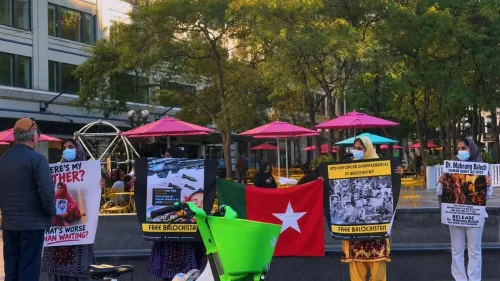
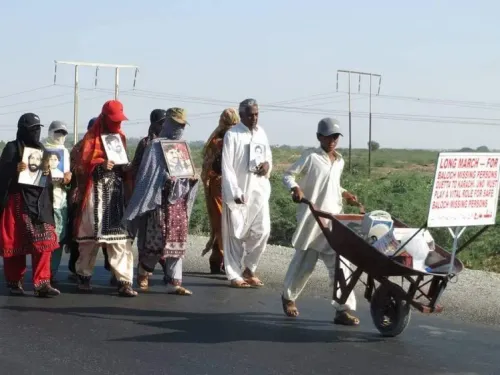
Local residents staged a highway sit-in protest , placing the deceased's body at the site, demanding a transparent investigation.
Naseem Baloch , chairman of the Baloch National Movement (BNM) , condemned the shelling on X , calling for independent international investigations.
Baloch Voice for Justice (BVJ) flagged indefinite curfews in Khand Kotcha, Zehri, Naushki , and Jiwani , disrupting access to medicine, food, and education.
Pakistan's Frontier Corps was also accused of firing on passenger buses at Khand Kotcha , resulting in civilian deaths, according to BVJ.
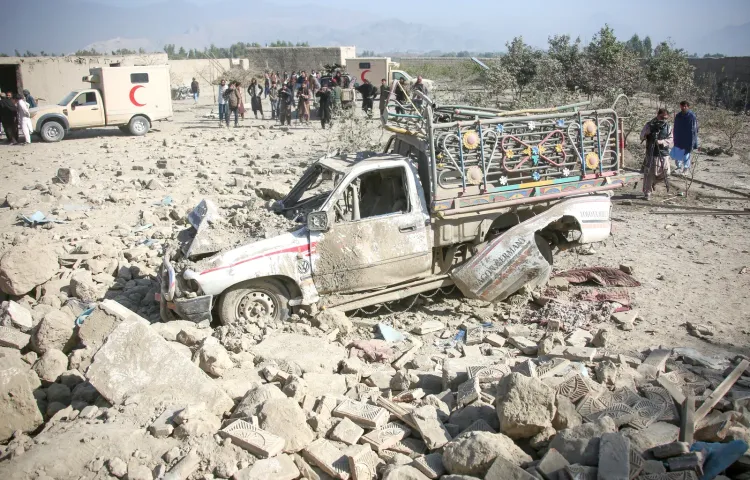
At least one civilian was killed and several others — including women and children — were injured after Pakistani forces carried out shelling in the Drakhalaw-Gaslaiti area of Wadh in Khuzdar district, Balochistan, according to local media reports citing sources on Friday, 25 July 2025. The deceased was identified as Abdul Qadir.
Sit-in Protest on Highway
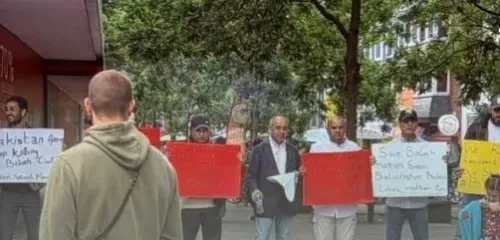
Following the incident, local residents staged a sit-in demonstration on a highway near the affected area, placing the body of Abdul Qadir at the protest site as a mark of grief and defiance. Protesters alleged that the shelling by Pakistani forces began on Thursday morning and directly struck a civilian locality in Wadh, according to The Balochistan Post.
Demonstrators demanded an impartial investigation into the shelling and accountability for those responsible, vowing to sustain the sit-in until a transparent inquiry is initiated.
BNM Chief Condemns Attack, Calls for International Access
Naseem Baloch, chairman of the Baloch National Movement (BNM), condemned the incident in a post on X, stating: 'Shelling of civilian areas, enforced disappearances, extrajudicial killings, custodial deaths, and collective punishment have become a persistent feature of the ongoing conflict, underscoring the urgent need for independent and impartial investigations.'
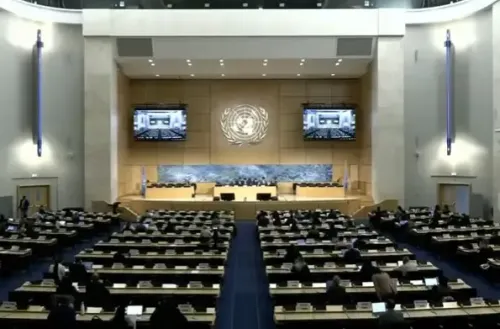
Baloch further urged the international community — including the United Nations, independent media, and human rights organisations — to be granted unhindered access to Balochistan to establish facts, monitor the human rights situation, and ensure transparency and accountability.
Curfews, Internet Shutdowns Compound the Crisis
On Thursday, human rights organisation Baloch Voice for Justice (BVJ) expressed grave concern over prolonged curfews, internet shutdowns, and movement restrictions imposed by Pakistani authorities across several regions in Balochistan, including Khand Kotcha, Zehri, Naushki, and Jiwani. The organisation said these measures amounted to collective punishment of millions of citizens.
In a statement, BVJ described the enforcement of an indefinite curfew in Khand Kotcha as a 'grave restriction on fundamental human rights and civil liberties', noting that similar curfews had previously been imposed in Zehri, Naushki, and Jiwani, confining residents to their homes and severely disrupting daily life.
Impact on Essential Services and Vulnerable Groups
The BVJ warned that continuous curfews were disrupting the supply of medicines, food, and other essential items; preventing patients from reaching hospitals in time; suspending students' educational activities; and wiping out the livelihoods of daily wage labourers and small business owners. Commercial activity, transportation, and communication systems were also reported to be severely affected.
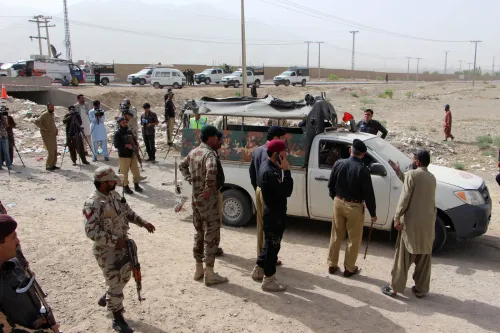
The rights body further highlighted that indiscriminate firing by Pakistan's Frontier Corps and other security forces on passenger buses at the Khand Kotcha location had resulted in the deaths of civilians — an incident it described as 'highly alarming'. It called on Pakistani authorities to identify those responsible through transparent investigations and bring them to account.
This comes amid a broader pattern of reported military operations and civil rights restrictions in Balochistan that have drawn repeated criticism from human rights groups. With protesters still on the highway and rights organisations demanding international oversight, pressure on Islamabad over its conduct in the province is unlikely to ease.
Point of View
A documented sit-in, and a named rights organisation citing bus firings — all within 48 hours. Pakistan has long resisted independent access to Balochistan; the BNM's call for UN oversight is not new, but the accumulation of incidents is making that resistance harder to sustain diplomatically. The absence of any Pakistani government response in the source reporting is itself notable.
NationPress
23 Oct 2026
Frequently Asked Questions
What happened in Khuzdar, Balochistan on 25 July 2025?
Pakistani forces carried out shelling in the Drakhalaw-Gaslaiti area of Wadh in Khuzdar district, killing at least one civilian identified as Abdul Qadir and injuring several others, including women and children, according to local media reports citing sources.
Who is Naseem Baloch and what did he say?
Naseem Baloch is the chairman of the Baloch National Movement (BNM). He condemned the Khuzdar shelling in a post on X, calling shelling of civilian areas, enforced disappearances, and extrajudicial killings a 'persistent feature' of the conflict and urging the UN and international media to be granted unhindered access to Balochistan.
What is the Baloch Voice for Justice and what concerns has it raised?
Baloch Voice for Justice (BVJ) is a human rights organisation that has raised alarm over prolonged curfews, internet shutdowns, and movement restrictions in Khand Kotcha, Zehri, Naushki, and Jiwani. It says these measures are disrupting access to medicine, food, and education, and amount to collective punishment of civilians.
What is the situation in Khand Kotcha?
An indefinite curfew has been imposed in Khand Kotcha by Pakistani authorities, which BVJ has described as a grave restriction on fundamental human rights. The organisation also alleged that Pakistan's Frontier Corps fired indiscriminately on passenger buses at the location, resulting in civilian deaths.
What are protesters demanding after the Wadh shelling?
Protesters who staged a sit-in on a highway near Wadh are demanding an impartial and transparent investigation into the shelling and accountability for those responsible. They have vowed to continue the demonstration until such an inquiry is initiated.