Pakistan on 23rd IMF bailout: How terror policy fuels its economic crisis
Synopsis
Fifteen years after Navy SEALs killed Osama bin Laden in a Pakistani military town, a new report connects the dots between Islamabad's alleged state-sponsored terror policy and its 23rd IMF bailout — arguing the two are inseparable. With insurgencies at home, a jailed opposition leader, and a general reportedly running the show, Pakistan's reckoning may be far from over.
Key Takeaways
Pakistan is currently on its 23rd IMF bailout package , amid a severe economic crisis the report links to its use of terrorism as state policy.
The report cites Pakistan-based or Pakistan-trained groups as linked to major attacks including the 2008 Mumbai attacks , 2019 Pulwama attack , and 2025 Pahalgam attack .
Pakistan borrowed US$3 billion from Saudi Arabia to repay approximately US$3.5 billion owed to the UAE .
Former ISI chief General (Retd) Asad Durrani reportedly acknowledged duplicity in a televised interview, stating "We fooled them." The report describes Pakistan as a "de facto military dictatorship" under Gen Asim Munir , with former PM Imran Khan imprisoned and opposition leaders facing crackdowns.
Without a decisive break from terror networks, the report warns Pakistan risks remaining a "borderline failed state."
Fifteen years after the Abbottabad raid that killed Osama bin Laden, Pakistan continues to pay a steep price for using terrorism as an instrument of state policy — struggling with a severe economic crisis and currently drawing on its 23rd bailout package from the International Monetary Fund (IMF), according to a report published in The Australia Today.
The Cost of Terror as State Policy
The report, titled 'Abbottabad raid 15 years on: The night Osama bin Laden was found in Pakistan's shadow', draws a direct line between Islamabad's alleged support for militant networks and its chronic economic fragility. According to the report, the situation has grown so dire that Pakistan was forced to borrow US$3 billion from Saudi Arabia merely to repay a loan of approximately US$3.5 billion owed to the UAE.
"But using terrorism as an instrument of state policy has come with its costs for Pakistan. The country is grappling with a severe economic crisis and is on its 23rd IMF bailout package," the report stated.
A Trail of Global Terror Incidents
Investigations by multiple governments and international agencies over the past two decades have reportedly linked Pakistan-based or Pakistan-trained groups to several major terror incidents worldwide following the 9/11 attacks. These include the 2005 London bombings, the 2008 Mumbai attacks, the 2006 transatlantic aircraft plot, the 2013 Westgate mall attack in Kenya, the 2019 Pulwama attack, the 2010 Times Square bombing attempt, and the 2025 Pahalgam attack, among others.
The United States had, over the years, extended billions of dollars in aid to Pakistan for counter-terrorism cooperation, even as longstanding allegations persisted linking the country to groups such as Lashkar-e-Taiba, Jaish-e-Mohammed, al-Qaeda, and the Taliban.
The Abbottabad Revelation and Its Geopolitical Fallout
The decade-long hunt for bin Laden ended in May 2011, after extensive intelligence work led by the Central Intelligence Agency (CIA). A breakthrough came when investigators tracked a trusted courier to a compound in Abbottabad, located approximately 35 miles north of Islamabad — widely known as a Pakistani military garrison town.
"The discovery of bin Laden in Abbottabad confirmed long-running suspicions within geo-political experts about whether elements within Pakistan had knowingly or unknowingly allowed him to remain hidden there," the report notes. His compound was situated less than a kilometre from a major army academy, triggering serious global concerns and what the report describes as a major geopolitical breach.
The report also cites a televised interview in which General (Retd) Asad Durrani, former chief of Pakistan's Inter-Services Intelligence (ISI), appeared to acknowledge duplicity, reportedly stating, "We fooled them," when questioned about Pakistan accepting Western funds while allegedly channelling money to terror groups targeting Afghan civilians and Western soldiers.
Political Instability and Internal Insurgencies
Beyond external scrutiny, the report highlights deepening internal security challenges, including insurgencies in Khyber Pakhtunkhwa and the long-running Baloch movement. Political instability has further worsened following the imprisonment of former Prime Minister Imran Khan and a broader crackdown on opposition leaders.
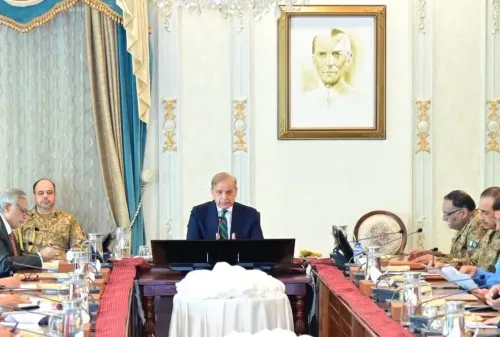
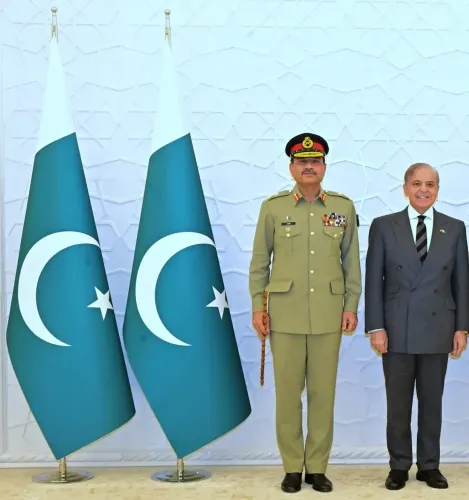
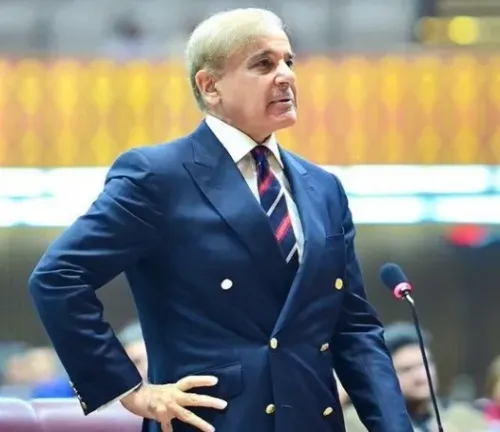
"It is a de facto military dictatorship being run by its military head Gen Asim Munir, although senior political figure Shehbaz Sharif is the Prime Minister," the report states.
Temporary Relief, Structural Risk
The report notes that observers believe recent improvements in ties with Washington — reportedly linked to cryptocurrency-related engagements with US President Donald Trump's family and what the report describes as "cringe-worthy flattery" — may have offered temporary relief. However, it cautions that without a decisive break from terror networks, Pakistan risks remaining a "borderline failed state" facing continued instability. The legacy of the Abbottabad raid, fifteen years on, continues to shape global counter-terrorism discourse and raise uncomfortable questions that Islamabad has yet to fully answer.
Point of View
Sitting less than a kilometre from a premier army academy. That single fact has never been satisfactorily explained, and Islamabad's silence on it has cost it more credibility than any diplomatic statement could recover. Pakistan's economic crisis and its terror infrastructure are not parallel stories; they are the same story. Western aid flowed in under the 'war on terror' banner even as the ISI allegedly bankrolled the other side — a contradiction that sustained Islamabad for two decades but is now compounding into sovereign fragility. The 23rd IMF programme is not an anomaly; it is the invoice arriving for choices made across successive governments and military establishments.
NationPress
9 Oct 2026
Frequently Asked Questions
Why is Pakistan on its 23rd IMF bailout package?
Pakistan is on its 23rd IMF bailout package due to a chronic economic crisis that the report links, in part, to the high costs of sustaining terror networks as instruments of state policy. The country's fiscal position is so strained that it had to borrow US$3 billion from Saudi Arabia just to repay a loan of approximately US$3.5 billion owed to the UAE.
What is the significance of the Abbottabad raid 15 years on?
The Abbottabad raid of May 2011, in which US forces killed al-Qaeda chief Osama bin Laden, remains significant because bin Laden was found in a compound less than a kilometre from a major Pakistani army academy. Fifteen years later, questions about whether Pakistani state elements knowingly sheltered him remain unanswered, continuing to shape global counter-terrorism perceptions.
Which major terror attacks have been linked to Pakistan-based groups?
According to the report, investigations by multiple governments have linked Pakistan-based or Pakistan-trained groups to the 2005 London bombings, the 2008 Mumbai attacks, the 2006 transatlantic aircraft plot, the 2013 Westgate mall attack in Kenya, the 2019 Pulwama attack, the 2010 Times Square bombing attempt, and the 2025 Pahalgam attack, among others.
What did former ISI chief General Asad Durrani say about Pakistan's double game?
Former ISI chief General (Retd) Asad Durrani reportedly stated 'We fooled them' in a televised interview when questioned about Pakistan accepting Western counter-terrorism funds while allegedly directing money to terror groups targeting Afghan civilians and Western soldiers. The report cites this as evidence of acknowledged duplicity.
What is the current political situation inside Pakistan?
The report describes Pakistan as a 'de facto military dictatorship' effectively run by military chief Gen Asim Munir, even though Shehbaz Sharif holds the office of Prime Minister. Former Prime Minister Imran Khan remains imprisoned, and a broader crackdown on opposition leaders has deepened political instability alongside ongoing insurgencies in Khyber Pakhtunkhwa and the Baloch movement.