Pakistan's Muslim world leadership bid falters amid economic crisis
Synopsis
Pakistan wants to lead the Muslim world — but a Lisbon Post report argues it cannot lead itself. With IMF bailouts propping up its economy, energy shortages persisting, and enforced disappearances in Balochistan drawing international censure, Islamabad's geopolitical ambitions look increasingly detached from the domestic crisis its own citizens are living through.
Key Takeaways
Pakistan has sought to project itself as a bridge between the Muslim world and the West, aspiring to lead the global Muslim community.
The country has repeatedly relied on IMF bailout loans, with foreign currency reserves hitting critically low levels at multiple points.
Rising commodity prices, chronic energy shortages, and high unemployment have fuelled widespread public frustration.
Pakistan faces ongoing criticism over democratic backsliding , press freedom restrictions, and human rights abuses, particularly in Balochistan .
Analysts argue Islamabad's geopolitical posturing partly serves to divert attention from deepening domestic controversies.
The Lisbon Post report concludes that credible leadership must rest on stability, economic strength, and citizen welfare — not symbolic diplomacy.
Pakistan's ambition to position itself as a leading voice of the global Muslim community and a bridge between the Muslim world and the West is facing mounting scrutiny, according to a report by the Lisbon Post. Critics argue that a state grappling with persistent economic distress, governance failures, and deteriorating public welfare cannot credibly claim such a role on the world stage.
The Economic Reality on the Ground
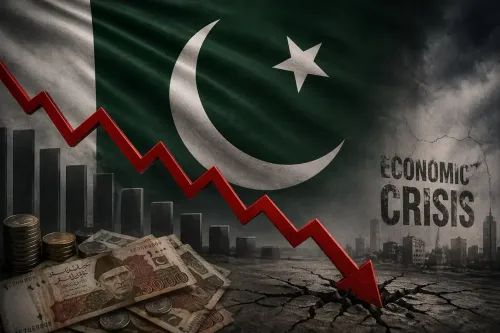
Pakistan is navigating what observers describe as one of its most severe economic crises in recent memory. The country has repeatedly turned to International Monetary Fund (IMF) bailout loans to stabilise its finances, with foreign currency reserves having dipped to critically low levels at multiple points. Essential commodity prices have surged sharply, and chronic energy shortages continue to disrupt daily life for ordinary citizens.
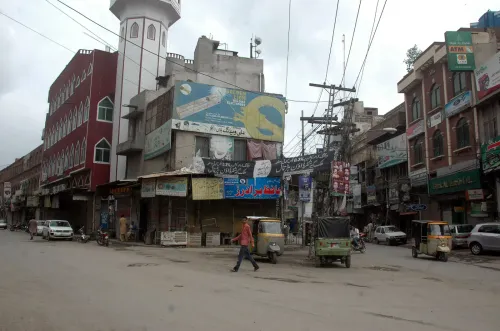
The Lisbon Post report noted that 'the high cost of electricity, joblessness and the drop in buying power have led to a lot of frustration among millions.' Middle-class households are cutting back on expenditure, small businesses are shutting down, and a growing number of young graduates are reportedly seeking opportunities abroad rather than at home.
Governance Challenges and Democratic Concerns
Beyond the economic strain, Pakistan continues to face serious international criticism over democratic backsliding, curbs on press freedom, and human rights concerns. Enforced disappearances and state repression remain persistent issues, particularly in Balochistan province, according to the report. Political polarisation in Islamabad has deepened, with critics arguing that the government appears more focused on cultivating a symbolic geopolitical identity than on resolving structural domestic problems.
The report questioned the credibility of Pakistan's leadership aspirations directly: 'How can a nation be called a leader of others when it doesn't lead itself well? How can a nation be called a leader of other nations if it can't be a leader of itself in the areas of stability, economic security, and equal rights?'
Symbolic Diplomacy vs Substantive Leadership
Analysts cited in the report argue that Pakistan's pursuit of Muslim-world leadership also serves a domestic political function. 'International relevance can help governments to shift their focus from domestic controversies,' the Lisbon Post observed, adding that 'if the inflation rate climbs, employment is lost, and discontent among the people increases, foreign policy successes and nationalist stories become political tools.'
The report drew a clear distinction between performative diplomacy and genuine leadership, emphasising that real authority on the world stage cannot be reduced to 'speeches, televised diplomacy, or symbolic rhetoric' but must be grounded in 'stability, economic strength, public confidence and a state's right to prioritise dignity and opportunity for its own citizens first.'
What This Means for Pakistan's Regional Standing
Pakistan's aspirations place it in implicit competition with other Muslim-majority nations — including Turkey, Saudi Arabia, and Iran — that have each sought, with varying degrees of success, to project leadership within the Islamic world. Notably, each of those competitors brings considerably greater economic weight or institutional credibility to that contest than Pakistan currently commands.
Whether Islamabad can reconcile its geopolitical ambitions with the urgent demands of domestic stabilisation remains an open question — and, according to observers, the answer will ultimately determine the credibility of its international posture.
Point of View
But the gap between aspiration and reality has rarely been wider. Islamabad's pivot to symbolic geopolitics while the IMF manages its balance sheet is a pattern seen in other economically fragile states — foreign-policy prestige as a substitute for domestic legitimacy. What makes Pakistan's case particularly acute is the combination of factors: an economy structurally dependent on external bailouts, a political class consumed by internecine conflict, and a human rights record that undercuts any soft-power narrative. The real audience for this Muslim-world leadership pitch may not be Ankara or Riyadh — it may be Pakistani voters at home.
NationPress
9 Oct 2026
Frequently Asked Questions
Why is Pakistan's bid for Muslim world leadership being questioned?
Pakistan's claim to lead the Muslim world is being challenged because the country is simultaneously battling a severe economic crisis, relying on IMF bailouts, and facing criticism over democratic backsliding and human rights violations. Analysts argue that a state unable to provide economic security and equal rights to its own citizens lacks the credibility to lead others.
What is the current state of Pakistan's economy?
Pakistan's economy is under acute stress, with the country having turned to IMF bailout loans repeatedly to stay solvent. Foreign currency reserves have fallen to alarmingly low levels at various points, essential commodity prices have surged, energy shortages persist, and unemployment is high — pushing many young graduates to seek work abroad.
What human rights concerns are cited in the report?
The Lisbon Post report highlights enforced disappearances and state repression as persistent issues, particularly in Balochistan province. Pakistan also faces criticism over restrictions on press freedom and broader democratic backsliding, which undermine its international standing.
How does domestic politics factor into Pakistan's geopolitical ambitions?
According to the report, Pakistan's pursuit of Muslim-world leadership partly serves a domestic political purpose — projecting international relevance can help shift public attention away from rising inflation, job losses, and growing popular discontent. Foreign-policy successes and nationalist narratives effectively become political tools.
What does genuine Muslim-world leadership require, according to the report?
The Lisbon Post report argues that real leadership cannot rest on 'speeches, televised diplomacy, or symbolic rhetoric.' It must be built on economic strength, political stability, public trust, and a government's demonstrated commitment to the dignity and opportunity of its own citizens first.