Pakistan eyes Islamic world leadership amid severe economic crisis at home
Synopsis
A German policy analyst argues that Pakistan is chasing Islamic world leadership and a US-Iran mediator role while its own economy teeters on IMF life support — with soaring commodity prices, energy shortages, and brain drain ravaging daily life. The disconnect between Islamabad's foreign-policy ambitions and domestic reality is, critics say, stark and widening.
Key Takeaways
Thiemo Rickenstorf , a German policy analyst, argues Pakistan is pursuing an outsized Islamic world leadership role despite a severe domestic economic crisis.
Pakistan has relied on IMF bailout loans to stabilise its economy, with foreign currency reserves having fallen to critically low levels at various points.
Soaring commodity prices, energy shortages, joblessness, and brain drain have made daily life a struggle for millions of Pakistanis, according to Rickenstorf.
Pakistan's bid to mediate between the US and Iran is partly self-interested — a prolonged West Asia conflict would push oil prices higher, worsening Pakistan's import burden.
Pakistan's sizeable Shia population means Iranian instability carries a direct domestic sectarian risk, adding an internal security motive to Islamabad's diplomatic push.
Rickenstorf contends that focusing on economic reform, education, and democratic accountability would do more for Pakistan's global standing than pursuing regional leadership.
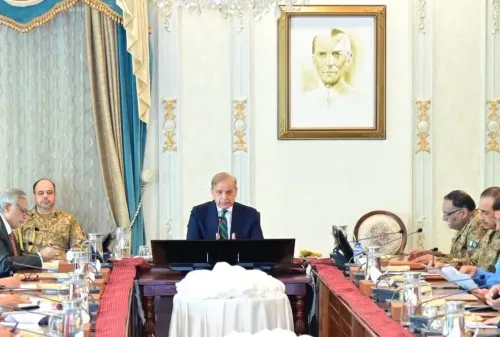
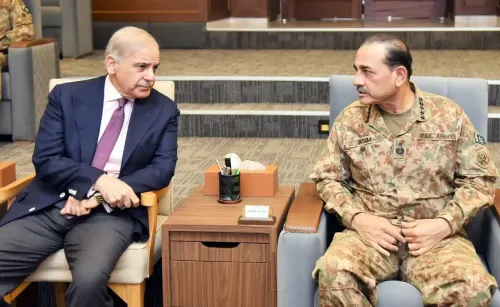
Pakistan has thrust itself into a significant diplomatic role in the Muslim world, emerging as a self-styled mediator between the United States and Iran — even as the country grapples with one of its worst economic downturns in recent memory. The assessment comes from Thiemo Rickenstorf, a German policy analyst writing in The Citizen, who argues that Islamabad's foreign-policy ambitions are sharply at odds with the realities facing its own citizens.
A Country Under Severe Economic Strain
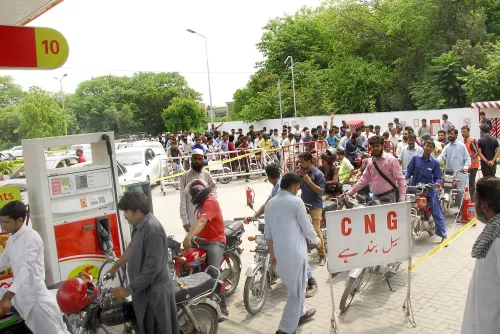
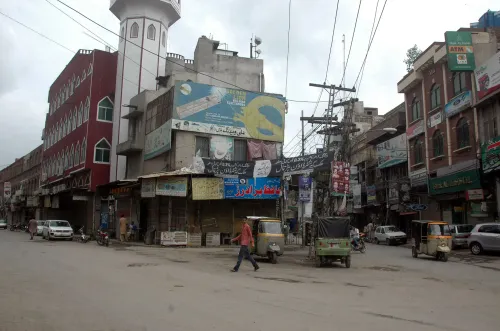
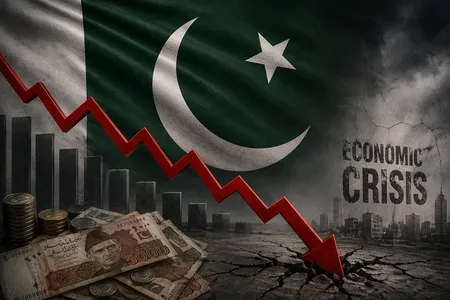
According to Rickenstorf, Pakistan has been leaning heavily on IMF bailout loans to keep its economy afloat, with foreign currency reserves having dipped to dangerously low levels at multiple points. Prices of essential commodities have surged, and reliable energy supply remains a persistent challenge in everyday life.
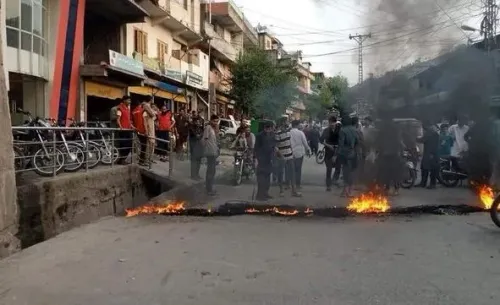
'The high cost of electricity, joblessness and the drop in buying power have led to a lot of frustration among millions,' Rickenstorf wrote. Businesses have been shutting down, middle-class families are cutting discretionary spending, and a wave of brain drain is hollowing out the country's skilled workforce — reducing daily life, in his words, to 'a struggle.'
The 'Muslim Ummah' as a Political Anchor
Rickenstorf notes that Pakistan's political discourse has long orbited around the concept of the 'Muslim Ummah' — invoking shared Islamic identity on issues ranging from Kashmir and Palestine to Afghanistan and broader religion-linked concerns. This framing, he argues, has historically served as both a foreign-policy tool and a domestic rallying point.
Yet the analyst points out that the majority of Muslim-majority nations have moved decisively away from religious identity as a primary diplomatic currency. Countries such as Saudi Arabia, Turkey, Qatar, and the United Arab Emirates have built their regional relevance on economic development, technological advancement, infrastructure investment, and foreign capital attraction — not theological positioning.
Why Pakistan Wants a Seat at the West Asia Table
Pakistan's push to position itself as a mediator in the West Asia conflict is, according to Rickenstorf, driven by calculated self-interest rather than altruism. A prolonged regional conflict risks pushing global oil prices sharply higher — a direct threat to Pakistan's already fragile import-dependent economy.
'Furthermore, Pakistan also has a considerable Shia population, which can also trigger sectarian tensions within Pakistan if the instability of Iran gets into Pakistan,' Rickenstorf said. The domestic sectarian calculus, therefore, adds an internal security dimension to Islamabad's diplomatic manoeuvring.
Structural Weaknesses Undermining the Ambition
'Pakistan has been plagued with political instability, military supremacy in the political arena, weak institutions, and financial crises,' Rickenstorf noted. These structural deficits, he argues, fundamentally undercut the country's credibility as a regional power broker.
The analyst contends that Islamabad would do far more for its international standing by focusing inward — strengthening the economy, improving education, ensuring democratic accountability, and protecting the welfare of ordinary citizens — rather than pursuing an outsized role as a leader of the Islamic world.
What This Means Going Forward
Pakistan's diplomatic overreach, critics argue, risks diverting political bandwidth from urgent domestic reforms at a moment when the country can least afford distraction. Whether Islamabad's mediation bid between Washington and Tehran gains traction remains to be seen, but the gap between its foreign-policy aspirations and domestic ground realities is, according to Rickenstorf, widening rather than narrowing.
Point of View
The UAE, and Turkey have long since replaced theological solidarity with sovereign wealth and hard infrastructure. What is striking is the timing: Islamabad is seeking a seat at the West Asia table while still negotiating the terms of its own economic survival with the IMF. Rickenstorf's critique is well-founded, but the deeper question mainstream coverage misses is whether Pakistan's military establishment — which drives foreign policy — has any incentive to redirect bandwidth toward democratic accountability and civilian welfare, given that instability has historically expanded its own institutional power.
NationPress
19 Sept 2026
Frequently Asked Questions
Why is Pakistan trying to mediate between the US and Iran?
Pakistan is positioning itself as a mediator between the US and Iran to protect its own economic interests — a prolonged West Asia conflict would drive global oil prices higher, worsening Pakistan's already fragile import-dependent economy. Additionally, Pakistan has a significant Shia population, meaning Iranian instability could trigger domestic sectarian tensions.
How bad is Pakistan's economic crisis?
Pakistan has been relying on IMF bailout loans to stabilise its finances, with foreign currency reserves having fallen to alarmingly low levels at various points. Essential commodity prices have surged, energy supply remains unreliable, businesses are closing, and skilled workers are leaving the country in large numbers, according to the analysis by Thiemo Rickenstorf.
What is the 'Muslim Ummah' concept in Pakistan's foreign policy?
The Muslim Ummah refers to the global community of Muslims, and Pakistan has historically invoked this concept to frame its positions on issues such as Kashmir, Palestine, and Afghanistan. Critics argue this framing has been used as a domestic rallying tool and foreign-policy identity marker, even as wealthier Muslim-majority nations have shifted to economic and technological diplomacy.
How does Pakistan compare to other Muslim-majority nations diplomatically?
Countries such as Saudi Arabia, Turkey, Qatar, and the UAE have built regional relevance through economic development, infrastructure, and foreign investment rather than religious identity. Pakistan, by contrast, has been hampered by political instability, military dominance of civilian politics, weak institutions, and recurring financial crises, according to Rickenstorf.
What does the analyst recommend for Pakistan?
German policy analyst Thiemo Rickenstorf argues that Pakistan would rebuild its international credibility far more effectively by strengthening its economy, improving education, ensuring democratic accountability, and protecting citizens' welfare — rather than pursuing an ambitious but structurally unsupported role as a leader of the Islamic world.