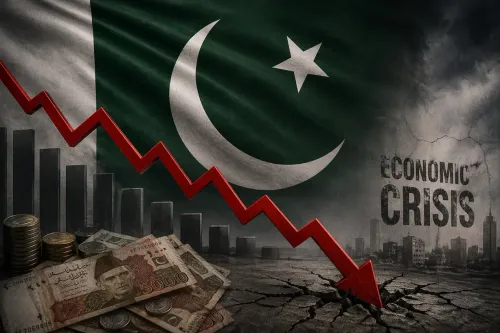
45% of Pakistan's population in poverty amid governance crisis: Report
Synopsis
A report in The Dawn reveals that nearly 45% of Pakistanis live in poverty — not because of IMF terms, but because of a governance system that rewards patronage over merit. With private sector credit at a historic low of 8.7% of GDP and exports halved over two decades, the structural rot runs deeper than any bailout can fix.
Key Takeaways
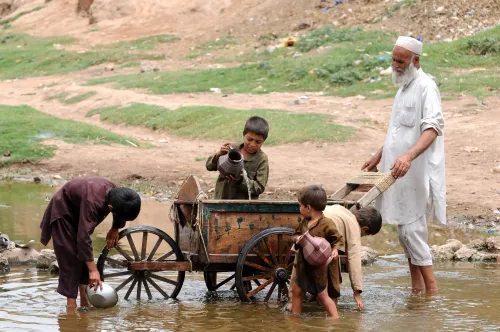
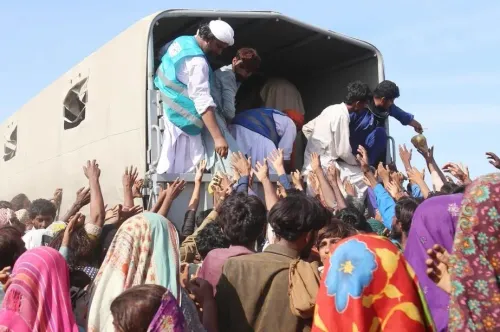
Nearly 45 per cent of Pakistan's population is living in poverty, according to a report published in The Dawn .
Pakistan's private sector credit-to-GDP ratio has collapsed from 27 per cent in 2008 to just 8.7 per cent in 2025 , among the lowest in emerging economies.
SME lending has fallen from approximately 17 per cent in the mid-2000s to just 6 per cent .
Exports have dropped to 10 per cent of GDP , down from 17 per cent two decades ago.
More than two million cases are pending in district courts, with over 1,100 judicial vacancies weakening contract enforcement.
The report attributes the crisis to patronage networks, political interference, and merit-exclusion in public institutions.
Nearly 45 per cent of Pakistan's population is living in poverty, according to a report published in The Dawn, which attributes the country's deepening economic distress not merely to policy missteps but to a systemic collapse in governance and institutional integrity. The findings, reported on 16 June, paint a stark picture of a nation repeatedly rescued by external bailouts yet structurally unable to sustain recovery.
Governance Failure at the Root
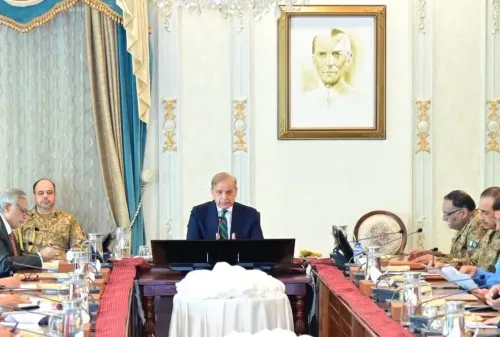
The report argues that Pakistan's recurring economic crises stem primarily from a leadership deficit and the erosion of public institutions, rather than from IMF programme conditions alone. While successive IMF-supported programmes have delivered temporary macroeconomic stabilisation, they have consistently failed to address the underlying structural weaknesses that trigger fresh crises.
Patronage networks and political interference, the report notes, have hollowed out the civil service, discouraging merit-based decision-making and reducing administrative efficiency across government tiers.
Private Sector Starved of Credit
One of the report's most striking data points concerns the collapse in private sector financing. Pakistan's private sector credit-to-GDP ratio has plunged from 27 per cent in 2008 to just 8.7 per cent in 2025 — placing it among the lowest levels across emerging economies.
Small and medium enterprises (SMEs), the backbone of employment in most developing economies, have been hit hardest. SME lending has contracted from roughly 17 per cent in the mid-2000s to a mere 6 per cent, according to the report. This credit drought has effectively frozen the entrepreneurial dynamism that could otherwise drive job creation.
Export Decline and Industrial Stagnation
Exports stand at just 10 per cent of GDP, sharply down from 17 per cent two decades ago — a contraction that reflects Pakistan's failure to diversify its industrial base or move up the value chain. This comes amid a broader pattern of import-dependent consumption and limited foreign direct investment, both of which are linked to the governance concerns the report highlights.
Judicial Backlog and Investor Confidence
The report also raises serious concerns about Pakistan's judicial system, citing more than two million pending cases in district courts and over 1,100 vacant judicial positions. The resulting weakness in contract enforcement has, according to the report, eroded investor confidence — a critical barrier for a country seeking foreign capital inflows.
Boards of state-owned enterprises, regulatory authorities, and major institutions are, the report states, frequently staffed through personal connections rather than merit, limiting accountability and effective oversight.
Potential Remains, But Window Is Narrowing
The report acknowledges that Pakistan possesses significant economic potential, citing its large population, entrepreneurial culture, and strategic geographic location. However, it warns that continued governance failures and the systematic exclusion of capable individuals from decision-making could further erode the country's long-term growth prospects. Without structural reform, the report suggests, external support programmes will continue to deliver temporary relief without durable recovery.
Point of View
It is a sign of a financial system that has turned inward. Repeated IMF programmes have become a substitute for reform rather than a catalyst for it, providing just enough oxygen to avoid default without ever addressing why the patient keeps falling ill. Pakistan's strategic location and demographic dividend, frequently cited as latent strengths, are being consumed by the same patronage architecture that the report describes. Until merit-based governance replaces connection-based appointments in courts, regulators, and SOE boards, external capital — whether from the IMF or foreign investors — will remain risk-averse and transactional.
NationPress
26 Sept 2026
Frequently Asked Questions
What percentage of Pakistan's population lives in poverty according to the report?
According to a report published in The Dawn, nearly 45 per cent of Pakistan's population is currently living in poverty. The report links this figure to a deepening governance and institutional crisis rather than economic policy failures alone.
Why does the report say Pakistan's economic crises keep recurring?
The report argues that Pakistan's recurring crises stem from a leadership deficit and weakening institutions, not solely from IMF programme conditions. Patronage networks and political interference have eroded the civil service and reduced merit-based decision-making, creating a cycle where external bailouts provide temporary relief without structural reform.
How has Pakistan's private sector credit changed over the years?
Pakistan's private sector credit-to-GDP ratio has fallen sharply from 27 per cent in 2008 to just 8.7 per cent in 2025, placing it among the lowest levels across emerging economies. SME lending has similarly contracted from around 17 per cent in the mid-2000s to just 6 per cent.
What is the state of Pakistan's export sector?
Pakistan's exports stand at 10 per cent of GDP as of the report's assessment, down from 17 per cent two decades ago. The decline reflects the country's inability to diversify its industrial base or strengthen its export competitiveness over time.
What concerns does the report raise about Pakistan's judiciary?
The report cites more than two million pending cases in Pakistan's district courts and over 1,100 vacant judicial positions. It says this backlog has weakened contract enforcement and damaged investor confidence, compounding the broader governance crisis.