Pakistan GDP grows 3.7% in FY2025, missing target amid structural weakness
Synopsis
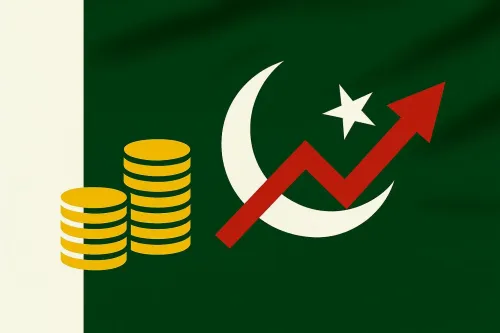
Pakistan's economy grew 3.7% this fiscal year — below both the government's 4% target and the State Bank's own projection. The headline number masks a deeper story: cyclical manufacturing rebounds, agriculture underperformance, and growth driven by state spending rather than productivity. With per capita income at just $1,901 and structural reforms stalled, the recovery is more optics than overhaul.
Key Takeaways
Pakistan's GDP grew 3.7 per cent in the current fiscal year, missing the government's 4 per cent target.
The economy has expanded to over $452 billion , with per capita income rising slightly to $1,901 .
Large-scale manufacturing rebounded cyclically, while the agriculture sector — a major employer — posted weak performance.
Growth is driven largely by consumption and state expenditure , not productivity gains or export-led industry.
IMF-backed reforms have averted immediate crisis, but long-term prospects remain uncertain.
The State Bank of Pakistan projects tepid growth ahead, contingent on energy prices and regional geopolitical stability.
Pakistan's economy expanded by 3.7 per cent in the current fiscal year, falling short of the government's 4 per cent target and coming in marginally below the State Bank of Pakistan's projected range, according to a report published in Dawn. The data points to a fragile and uneven recovery that analysts say reflects deep-rooted structural vulnerabilities rather than a sustained turnaround.
Growth Numbers and What They Conceal
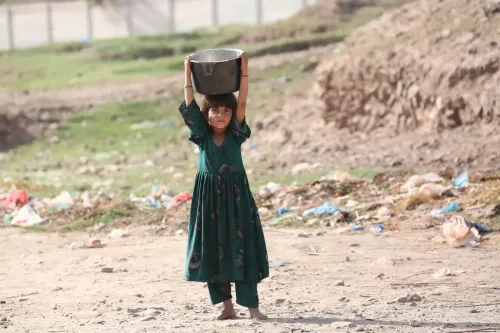
The economy has nominally expanded to over $452 billion, with per capita income edging up slightly to $1,901. However, according to the report, the headline growth figure offers limited real relief to Pakistani households, who continue to face high living costs, stagnant wages, and weak purchasing power. The gap between macroeconomic indicators and lived economic reality remains wide.
Uneven Sectoral Performance
Large-scale manufacturing has rebounded after a period of contraction, and the services sector continues to anchor overall growth — though the report notes this is driven largely by consumption and state expenditure rather than productivity gains. The agriculture sector, which employs a large share of Pakistan's workforce, posted weak performance, raising concerns about rural income and food security.
The industrial recovery is widely viewed as cyclical, emerging from a low base rather than signalling sustained expansion. Sharp increases in automobile production, for instance, follow earlier steep declines caused by import restrictions and supply chain disruptions — a rebound effect rather than structural momentum, the report noted.
Structural Weaknesses Persist
Pakistan continues to lag in export-led industrial growth, with investment, tax mobilisation, and productivity indicators remaining weak, according to the Dawn report. Despite stabilisation efforts and IMF-backed reforms helping avert immediate crisis risks, long-term growth prospects remain uncertain. The country's prolonged entrapment in a low-growth cycle — shaped by external financing pressures and repeated inflationary shocks — shows little sign of a structural break.
Outlook: Tepid Growth, Contingent on External Factors
The State Bank of Pakistan has projected tepid growth ahead, contingent on energy prices and geopolitical developments, including ongoing regional tensions. Economists argue that without meaningful reforms in tax mobilisation, export competitiveness, and private investment, Pakistan risks repeating the same boom-bust cycle that has constrained its development for decades. The next phase of IMF programme compliance will be a critical near-term test.
Point of View
Thin tax base, agriculture underperformance, and growth propped by state spending. IMF programmes have repeatedly stabilised the balance of payments without fixing the underlying engine. What Pakistan needs is not another round of fiscal consolidation but a credible export and investment strategy — and there is little evidence in this data that one is taking shape. The per capita income figure of $1,901 tells the real story: a country of over 230 million people generating less output per head than many sub-Saharan African peers.
NationPress
19 Sept 2026
Frequently Asked Questions
What is Pakistan's GDP growth rate for the current fiscal year?
Pakistan's economy grew 3.7 per cent in the current fiscal year, according to a report published in Dawn. This falls short of the government's 4 per cent target and is marginally below the State Bank of Pakistan's projected range.
What is Pakistan's current per capita income?
Pakistan's per capita income has risen slightly to $1,901 , with the overall economy expanding to over $452 billion . However, analysts note this offers limited relief to households facing high living costs and stagnant wages.
Why is Pakistan's industrial recovery considered cyclical?
The industrial rebound — including sharp increases in automobile production — follows earlier declines caused by import restrictions and supply chain disruptions. The report characterises this as a low-base effect rather than evidence of sustained expansion.
What role has the IMF played in Pakistan's economic stabilisation?
IMF-backed reforms have helped Pakistan avert immediate crisis risks, including balance-of-payments stress. However, long-term growth prospects remain uncertain, as structural issues including weak exports, low investment, and poor tax mobilisation persist.
What is the outlook for Pakistan's economy going forward?
The State Bank of Pakistan has projected tepid growth ahead, contingent on energy prices and geopolitical developments including regional tensions. Without structural reforms in export competitiveness and private investment, economists warn Pakistan risks repeating its historical boom-bust cycle.