Pakistan courts Bangladesh while 3 million Bengalis languish in Karachi slums
Synopsis
Pakistan is rolling out the red carpet for Bangladesh diplomatically — but according to a Bangladeshi media report, three million ethnic Bengalis in Karachi's slums have been denied identity cards and basic rights for over 50 years. The charge of hypocrisy, coming from within Bangladesh itself, could complicate Islamabad's carefully managed diplomatic revival with Dhaka.
Key Takeaways
An estimated three million Bangladeshi Bengalis reportedly live in Karachi's slums — including Machar Colony and Musa Colony — without Pakistani identity documents.
Denied the National Identity Card , they cannot vote, open bank accounts, own property, or access formal employment or education.
The community's presence in Pakistan dates to the 1971 partition, when East Pakistan became independent Bangladesh.
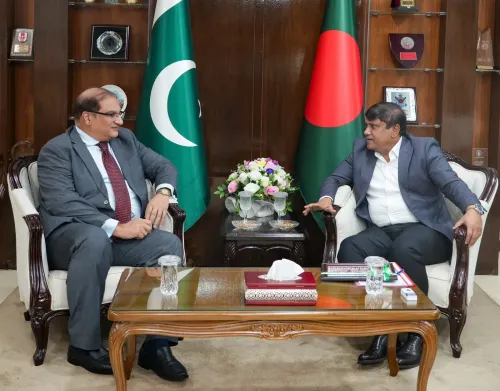
Pakistan's Deputy Prime Minister Ishaq Dar visited Dhaka during Bangladesh's interim administration period, which ended in February 2025 , as part of a broader diplomatic thaw.
Bangladeshi outlet Daily Wadaa argued that Pakistan's 'fraternal affection' for Bangladesh is hollow as long as Bengalis within Pakistan remain stateless.
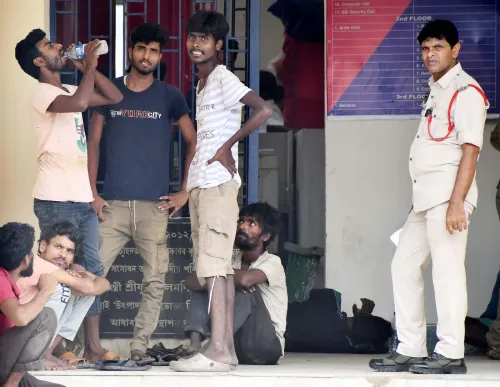
Even as Pakistan pursues a renewed diplomatic partnership with Bangladesh, an estimated three million Bangladeshi Bengalis are reportedly living in conditions of 'institutionalised invisibility' in the overcrowded slums of Karachi — including Machar Colony and Musa Colony — denied basic rights despite residing on Pakistani soil for over half a century. The stark contradiction has drawn sharp criticism from Bangladeshi observers and media.
Three Generations, No Identity
According to a detailed report by Bangladeshi media outlet Daily Wadaa, the Bengali community in Karachi traces its roots to the violent partition of 1971, when East Pakistan broke away to become independent Bangladesh. Hundreds of thousands of Bengalis who remained in the west — many employed in Karachi's ports and fishing industries — were never formally absorbed into the Pakistani state. Over decades, their numbers grew to an estimated three million.
'Today, three generations of Bengalis have known only the soil of Pakistan. They speak Urdu, wave the Pakistani flag at cricket matches, and contribute to the local economy,' the outlet noted. Yet, according to the report, they are systematically denied the National Identity Card (NIC) — the document that determines access to virtually every public service in Pakistan.
What Statelessness Means in Practice
Without the NIC, the report explains, residents of Karachi's Bengali colonies cannot vote, open a bank account, purchase property, or secure formal employment. For younger generations, the absence of documentation creates what Daily Wadaa described as 'an insurmountable wall' — blocking access to education and locking them into informal, precarious livelihoods. The Pakistani state, the report argued, effectively treats this population as 'unwanted ghosts' despite their decades-long presence and economic contribution.
Pakistan's Diplomatic Overtures to Dhaka
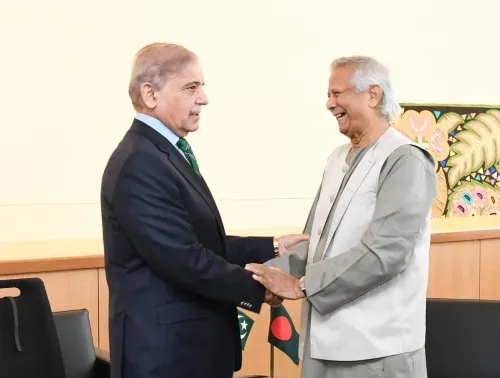
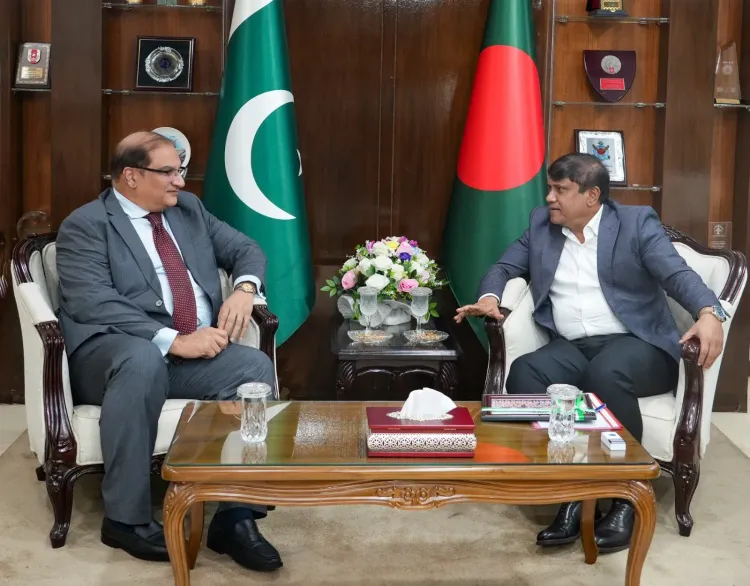
The diplomatic backdrop makes the situation more pointed. Following the ouster of the Sheikh Hasina-led government during the 2024 July Uprising, the decade-long chill between Islamabad and Dhaka began to thaw. High-ranking Pakistani officials, including Deputy Prime Minister Ishaq Dar, reportedly travelled to Dhaka during the tenure of Bangladesh's interim administration, which lasted until February 2025. The two sides reportedly revived intelligence-sharing arrangements, military cooperation, student scholarships, and trade routes.
Critics argue this diplomatic momentum sits uneasily alongside Pakistan's domestic record on Bengali rights. 'Pakistan is eagerly courting the state of Bangladesh while crushing the lives of the millions of Bengalis trapped within its own borders,' Daily Wadaa stated.
The Charge of Hypocrisy
The report argued that Islamabad's 'charm offensive' toward Dhaka is undermined by what it called 'domestic hypocrisy' — the mistreatment of millions of ethnic Bengalis within Pakistan's own territory. It contended that a state's genuine sincerity is ultimately measured by how it treats its most vulnerable residents, not by the warmth of its diplomatic exchanges.
'A message of fraternal affection for Bangladesh rings hollow while the children of Karachi's slums are denied the right to an education simply because of their ethnic heritage,' the outlet stressed. Notably, this critique comes not from India or Western observers, but from within the Bangladeshi media itself — lending it particular weight in the current diplomatic conversation.
What Comes Next
There has been no official response from the Pakistani government to the allegations detailed in the report. Whether Bangladesh's current leadership — or future elected government — will raise the issue of the stateless Bengali community as a formal diplomatic condition remains to be seen. For now, the estimated three million residents of Karachi's Bengali colonies remain caught between two states, claimed by neither.
Point of View
Not external adversaries. If Bangladesh's leadership allows the diplomatic warming to proceed without formally raising the stateless Bengali question, it risks lending legitimacy to a relationship built on selective memory of 1971 — a fracture that neither side has fully reckoned with.
NationPress
3 Oct 2026
Frequently Asked Questions
Who are the Bangladeshi Bengalis living in Karachi, and how did they get there?
They are descendants of Bengalis who remained in West Pakistan after the 1971 war that created independent Bangladesh. Many were employed in Karachi's ports and fishing industries, and over three generations their population has grown to an estimated three million, according to reports.
Why are Karachi's Bengali residents considered stateless?
Despite living in Pakistan for over 50 years, they are reportedly denied the National Identity Card, which is required to vote, open bank accounts, own property, access formal employment, or enrol children in schools. Without it, they effectively do not exist in the eyes of the Pakistani state, according to the Daily Wadaa report.
How has Pakistan's relationship with Bangladesh changed recently?
Following the ouster of the Sheikh Hasina-led government in Bangladesh's 2024 July Uprising, Pakistan moved quickly to rebuild ties. Senior officials including Deputy Prime Minister Ishaq Dar visited Dhaka, and the two sides reportedly resumed intelligence-sharing, military cooperation, student scholarships, and trade links.
Why does the Bengali statelessness issue matter for Pakistan-Bangladesh diplomacy?
Critics argue it exposes a fundamental contradiction: Pakistan is pursuing fraternal ties with Bangladesh while denying basic rights to millions of ethnic Bengalis within its own borders. The charge, raised by Bangladeshi outlet Daily Wadaa, suggests Islamabad's diplomatic overtures lack moral credibility unless the stateless Bengali population is formally recognised.
Has Pakistan responded to these allegations?
There has been no official Pakistani government response to the specific allegations detailed in the Daily Wadaa report. The issue of stateless Bengalis in Karachi has not been raised as a formal condition in the ongoing diplomatic engagement between the two countries.