Pakistan child sexual abuse: 1,914 cases in 6 months, conviction rate stays critically low

Synopsis
Pakistan logged nearly 2,000 child abuse cases in just six months of 2026 — but the more damning figure is the conviction rate, which remains critically low. According to reports, offenders routinely abuse multiple victims before a single case is filed, and prolonged court proceedings mean most are never held accountable. The cycle of outrage-and-inaction has left no functioning prevention or rehabilitation system in place.
Key Takeaways
1,914 child abuse incidents were recorded in Pakistan in the first six months of 2026 , according to NGO Sahil .
The breakdown includes 1,015 sexual abuse cases , 558 kidnappings , 101 missing children , and 35 child marriages .
58 per cent of victims were girls; 43 per cent of perpetrators were acquaintances of the victim.
57 per cent of cases were reported in urban areas, with 43 per cent from rural regions.
Pakistan's conviction rate remains critically low, with prolonged court proceedings cited as a key barrier to justice.
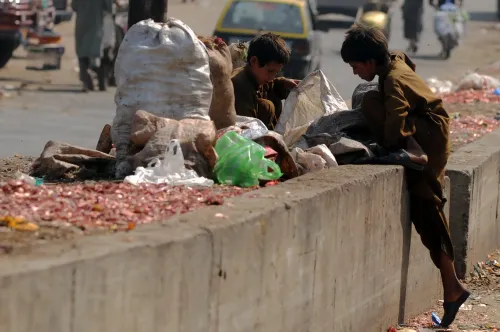
Experts warn that poverty, child labour, and unsafe urban environments continue to deepen children's vulnerability.
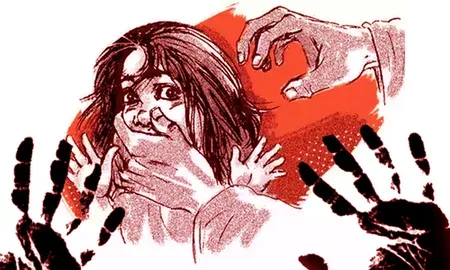
Pakistan recorded 1,914 incidents of child abuse in the first six months of 2026, according to the latest report by child protection NGO Sahil, even as the country's conviction rate in child sexual abuse cases remains critically low — a gap that, according to reports, actively emboldens perpetrators to re-offend.
Scale of the Crisis
The Sahil data, drawn from newspapers across Balochistan, Khyber Pakhtunkhwa, Punjab, Sindh, Islamabad Capital Territory (ICT), Pakistan-occupied Kashmir, and Pakistan-occupied Gilgit-Baltistan, breaks down as follows: 1,015 cases of child sexual abuse, 558 cases of kidnapping, 101 cases of missing children, 98 cases of child pornography following sexual abuse, and 35 cases of child marriage — all between January and June 2026. Among the total, 58 per cent of victims were girls.
By age group, 598 children were between 11 and 15 years, 356 were between 16 and 18 years, 329 were between 6 and 10 years, and 95 were aged between zero and five years. The report also noted that 49 infants were found abandoned. The age of victims was not recorded in 487 cases.
Recent Cases That Sparked National Outrage
The data arrives alongside a string of horrific individual cases. In Karachi, 18-month-old Aizal died after being sexually assaulted — a teenage relative reportedly took her from the family residence, and she was returned in critical condition before succumbing to her injuries. In August 2026, the body of five-year-old Ayat Noor was found in a well after she was sexually assaulted. Each case triggered public anger and demands for justice, followed, according to reports, by a return to normalcy until the next incident emerged.
Why Convictions Remain Rare
'Pakistan's conviction rate in child sexual abuse cases remains extremely low, encouraging offenders to continue committing such crimes. Many perpetrators are involved in multiple offences before being reported in a single case, after which investigators often recover evidence from their mobile phones revealing abuse of numerous other victims. However, prolonged court proceedings and weak follow-up results in very few convictions,' according to a report in European Times.
The pattern is compounded by structural failings. Pakistan has introduced legal reforms focused on increasing punishments for convicts but has made little effort to improve investigation procedures or protect survivors, the report noted. Critics argue that harsher sentencing laws mean little if cases rarely reach a verdict.
Social and Economic Conditions Deepen Vulnerability
The European Times report also flagged deeper systemic drivers. 'Beyond the justice system, social and economic conditions deepen children's vulnerability. Poverty, child labour, early marriage, and unsafe urban environments create fertile grounds for abuse and exploitation,' it stated. Notably, 57 per cent of reported cases originated in urban areas, while 43 per cent were from rural Pakistan — dispelling the assumption that the crisis is confined to remote or underdeveloped regions.
In terms of perpetrator profiles, 43 per cent of abusers were acquaintances of the victim, while 34 per cent were strangers — a finding that underscores the inadequacy of a child protection model focused solely on stranger-danger warnings.
What Needs to Change
Rights advocates argue that Pakistan's outrage cycle — public fury followed by inaction — has consistently failed to produce a comprehensive child protection system anchored in prevention, accountability, and survivor rehabilitation. The Sahil report and broader analysis suggest that without faster judicial processes, dedicated child protection units, and investment in social safeguards, the numbers are unlikely to improve. The next set of six-monthly figures will be a key test of whether any systemic response has taken hold.
Point of View
Drawn from newspaper reports rather than police FIRs, almost certainly undercounts the true scale. Until Pakistan invests in dedicated investigative capacity, witness protection for survivors, and time-bound prosecution, the outrage cycle will keep repeating — and the numbers will keep rising.
NationPress
17 Sept 2026
Frequently Asked Questions
How many child abuse cases were reported in Pakistan in 2026?
According to NGO Sahil's latest report, 1,914 child abuse incidents were reported in Pakistan in the first six months of 2026. The figure includes 1,015 sexual abuse cases, 558 kidnappings, and 35 child marriages, among other offences.
Why is Pakistan's conviction rate in child sexual abuse cases so low?
According to reports, prolonged court proceedings, weak follow-up by investigators, and insufficient forensic and survivor-support infrastructure mean that very few cases result in conviction. Critics argue that legal reforms focused only on harsher sentences have done little to fix the systemic gaps in investigation and prosecution.
Who are the typical perpetrators in Pakistan's child abuse cases?
In 43 per cent of reported cases, the perpetrator was an acquaintance of the victim, while 34 per cent of abusers were strangers, according to the Sahil data. Investigators often discover evidence of multiple prior victims when they examine a suspect's mobile phone.
Which age group of children is most affected?
The largest group of victims — 598 children — was aged between 11 and 15 years, followed by 356 children aged 16 to 18, and 329 children aged 6 to 10. A further 95 victims were under five years old, including infants.
What broader factors make Pakistani children more vulnerable to abuse?
Reports cite poverty, child labour, early marriage, and unsafe urban environments as structural conditions that increase vulnerability. Notably, 57 per cent of reported cases occurred in urban areas, indicating that the crisis is not limited to rural or remote regions.