Is Pakistan’s risky venture into cryptocurrency increasing financial threats?
Click to start listening
Synopsis
As Pakistan dives headfirst into cryptocurrency, concerns mount over its impact on the nation's struggling economy. With significant movements in the crypto market, the risks associated with this rapid expansion could pose serious challenges ahead.
Key Takeaways
- Pakistan is expanding its cryptocurrency landscape to attract global investors.
- 17.5 million citizens hold around $5 billion in virtual assets.
- Licenses for crypto exchanges are nearing approval despite an incomplete regulatory framework.
- Experts warn about the speed of these changes leading to confusion.
- Many are moving towards undocumented economies due to formal systems being impractical.
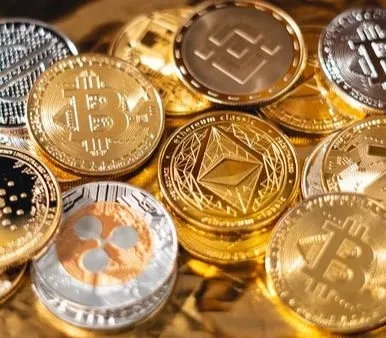
New Delhi, Jan 15 (NationPress) Pakistan’s risky venture into the world of cryptocurrency has sparked new worries regarding the nation's already fragile economy, as outlined in a recent report.
Nikkei Asia highlights that Pakistan is swiftly enhancing its presence in the cryptocurrency sector by inviting global crypto exchanges.
“Pakistan believes it has devised a method to make government and other assets more accessible to international investors, thus improving liquidity, but this is raising serious concerns,” the report states.
Last month, the Pakistan Virtual Assets Regulatory Authority (PVARA) issued preliminary approvals to global exchanges Binance and HTX, leading to worries about potential oversight deficiencies that could result in financial and regulatory risks.
According to the report, approximately 17.5 million Pakistanis collectively possess nearly $5 billion worth of virtual assets on various crypto platforms.
Simultaneously, Pakistan’s finance ministry has signed an agreement with Binance to investigate tokenizing up to $2 billion in government-owned assets.
These assets include sovereign bonds, treasury bills, and commodity reserves, aimed at enhancing liquidity and drawing in global investors.
Experts caution that Pakistan is advancing too rapidly without sufficient safeguards in place. The speed of these decisions has also led to confusion within government agencies.
Licenses for crypto exchanges are on the verge of being issued, although the country’s legal and regulatory framework for virtual assets remains incomplete, according to the report.
With interest rates projected to decrease, rising taxes on savings, stagnating property markets, and equities no longer being affordable, the easy profits enjoyed over the past three years seem to be fading in the country.
A recent article in the Pakistan-based publication Daily Times notes that the undocumented economy is growing faster than any formal reforms can address. The report further reveals that dealers are operating through WhatsApp, encrypted chats, and automated bots.
With VPN access, Pakistanis are purchasing USDT (a cryptocurrency stablecoin) directly from peer-to-peer markets, transferring it to offshore wallets in Dubai or Turkey, converting it into dirhams, and depositing it into foreign accounts. People are not exiting the formal system due to a preference for illegality; rather, they are leaving because the state has rendered formalities financially impractical.
Point of View
It is crucial to maintain a balanced perspective on Pakistan's cryptocurrency ambitions. The government’s efforts to attract foreign investment through digital assets must be scrutinized carefully, considering both the potential benefits and the inherent risks to economic stability. The nation must tread cautiously as it navigates this uncharted territory.
NationPress
16/01/2026
Frequently Asked Questions
What is the current state of cryptocurrency regulation in Pakistan?
Pakistan is in the process of developing its regulatory framework for cryptocurrency, with recent approvals for exchanges like Binance and HTX, but the framework remains incomplete.
How much cryptocurrency do Pakistanis currently hold?
Approximately 17.5 million Pakistanis hold nearly $5 billion worth of virtual assets on various crypto platforms.
What are the potential risks associated with Pakistan's crypto expansion?
The rapid expansion into cryptocurrency raises concerns about oversight gaps, financial and regulatory risks, and the potential for economic instability.
Why are people moving away from formal financial systems in Pakistan?
Many individuals are leaving formal systems due to the state's financial policies rendering them impractical, opting instead for peer-to-peer crypto transactions.
What steps is the government taking to improve liquidity through cryptocurrencies?
The government is exploring the tokenization of up to $2 billion in assets, including sovereign bonds and treasury bills, to enhance liquidity and attract investor interest.