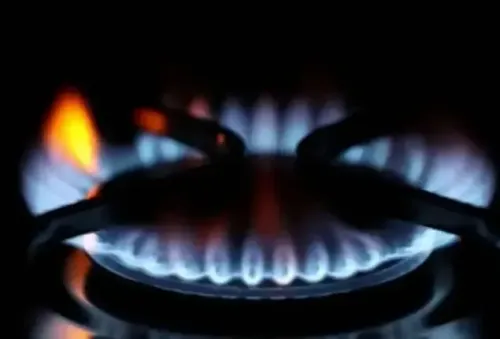
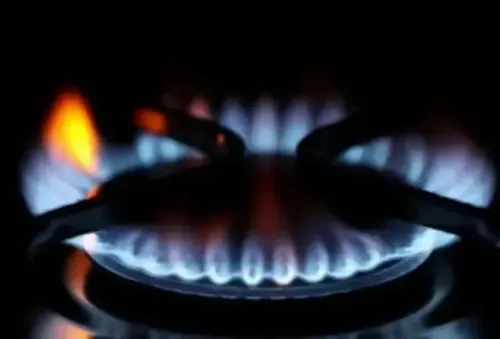
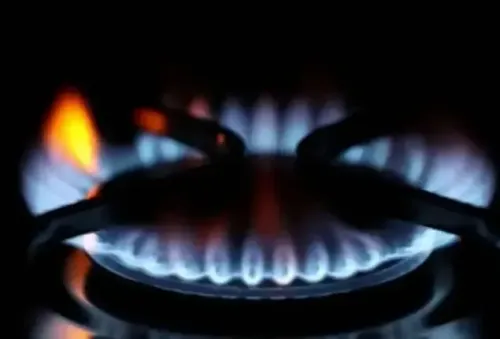
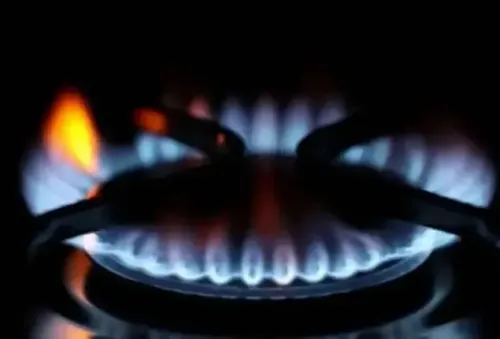
Gas crisis in Pakistan's Hyderabad: Residents say cooking nearly impossible
Synopsis
Despite a nine-hour daily gas schedule, residents of Hyderabad in Pakistan's Sindh are receiving little to no supply — and where gas does arrive, pressure is so low that cooking is nearly impossible. The crisis mirrors Karachi's simultaneous water, gas, and power failures during Eidul Azha in May, pointing to a pattern of utility breakdown that official statements have repeatedly failed to acknowledge.
Key Takeaways
Residents of Hyderabad, Sindh are not receiving gas even during SSGC's announced 9-hour daily schedule .
Where supply exists, pipelines carry only air for 15–20 minutes before gas flows, making cooking nearly impossible.
A Latifabad resident said households are 'paying for air' as meters run while burners are left open.
Sales of electric stoves, induction cooktops, LPG cylinders (2–12 kg) , and fibreglass cylinders have surged.
In May , Karachi faced simultaneous water, gas, and power outages during the three-day Eidul Azha period.
Utilities SSGC , KWSC , and K-Electric each claimed adequate supply, contradicting widespread resident complaints.
Residents of Hyderabad, a major city in Pakistan's Sindh province, are not receiving gas supply even during the limited nine-hour daily schedule announced by the Sui Southern Gas Company (SSGC), local media reported on Monday, 8 June. The crisis has hit households hard, with women bearing the brunt as they struggle to manage cooking and daily chores amid scorching summer heat.
What the Schedule Promises vs. What Residents Get
Under SSGC's announced schedule, gas is to be supplied in three-hour slots each in the morning, afternoon, and night — totalling nine hours a day. However, residents from multiple areas of Hyderabad say the utility has consistently failed to honour even this curtailed timetable, according to reports from Pakistan-based daily The Express Tribune.
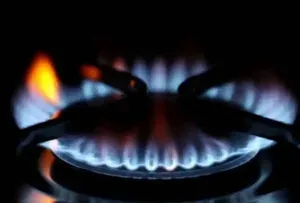
In areas where supply does arrive, residents report extremely low pressure that renders cooking nearly impossible. Pipelines reportedly carry only air for 15 to 20 minutes before gas begins to flow. Women described repeatedly lighting stoves to test for supply and leaving burners open to let the air escape — a practice that keeps the meter running and inflates monthly bills.
A resident of Latifabad said, 'We are paying for air in our gas bills while spending hours in the kitchen to cook a single meal.'
The Ripple Effect: Alternative Fuels in Demand
The prolonged shortage has triggered a surge in demand for alternatives. Sales of electric stoves, induction cooktops, ceramic cookers, solar ovens, and domestic LPG cylinders — ranging from 2 to 12 kilograms in capacity — have risen sharply, The Express Tribune reported. Residents are also turning to fibreglass LPG cylinders, favoured for being lighter and rust-proof.
Karachi's Eid Outages: A Pattern of Failure
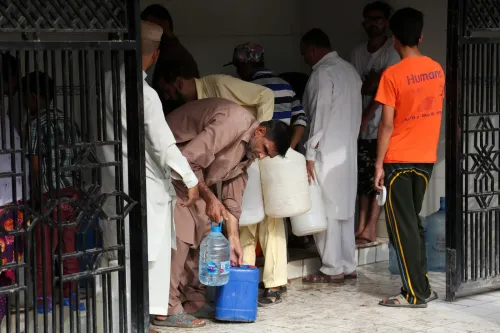
The Hyderabad gas crisis is not an isolated event. In May, residents of Karachi — Sindh's provincial capital — faced simultaneous disruptions of water, gas, and electricity across the three-day Eidul Azha festivities, according to Pakistani daily Dawn.
Taps ran dry, gas pressure remained critically low, and power supply was disrupted across several parts of the city. The Karachi Water and Sewerage Corporation (KWSC) claimed it had restored its 650 million-gallon-per-day (MGD) supply on the eve of Eid, yet residents in multiple areas continued to report shortages. Similarly, power utility K-Electric maintained that 'no unannounced loadshedding was carried out in any part of the city,' a claim residents directly contradicted.
Wider Context: Sindh's Utility Crisis
The back-to-back failures across Hyderabad and Karachi point to a systemic breakdown in utility management across Sindh. Pakistan has been grappling with an energy sector under severe financial and infrastructure stress, and the summer months — when demand peaks — consistently expose the gap between official assurances and ground reality. This is not the first summer residents have faced such conditions; critics argue that neither the federal government nor provincial utilities have implemented lasting fixes. As temperatures continue to rise, the pressure on already strained infrastructure is only expected to intensify.
Point of View
KWSC, and K-Electric each issued assurances during Eid that residents immediately contradicted, and Hyderabad's ongoing gas failure repeats the same script. What is striking is the institutional impunity: utilities announce schedules they cannot meet, residents adapt at personal cost, and there is no visible accountability mechanism. Pakistan's energy sector crisis is well-documented, but the human cost — women spending hours in summer kitchens for a single meal — rarely features in the policy conversation. Until utility performance is tied to measurable, publicly audited outcomes, these crises will return every summer.
NationPress
20 Sept 2026
Frequently Asked Questions
Why is there a gas shortage in Hyderabad, Pakistan?
Residents of Hyderabad in Sindh are not receiving gas supply even during the limited nine-hour daily schedule announced by the Sui Southern Gas Company (SSGC). The utility has reportedly been unable to maintain supply in multiple areas, and where gas does arrive, pressure is too low for cooking.
What is SSGC's gas supply schedule for Hyderabad?
SSGC announced a schedule providing gas in three one-hour slots — morning, afternoon, and night — totalling nine hours per day. However, residents say the company has consistently failed to deliver gas even within this curtailed timetable.
How are Hyderabad residents coping with the gas shortage?
Residents have turned to alternatives including electric stoves, induction cooktops, ceramic cookers, solar ovens, and domestic LPG cylinders ranging from 2 to 12 kilograms. Fibreglass LPG cylinders are also in demand for being lighter and rust-proof.
Did Karachi face similar utility failures during Eidul Azha?
Yes. In May, Karachi residents reported simultaneous disruptions to water, gas, and electricity supply across the three-day Eidul Azha festivities. Despite assurances from KWSC, K-Electric, and SSGC, residents across several areas reported shortages and outages throughout the period.
Who is most affected by the gas crisis in Hyderabad?
Women are disproportionately affected, as they manage household cooking. Residents describe spending hours in summer heat testing stoves and leaving burners open to clear air from pipelines, which also drives up monthly gas bills as meters continue running.